
Задвижка с крышкой давления, соответствующая каталогу
Задвижка высокого давления нержавеющая стальная ASME с самозатягивающимся уплотнением
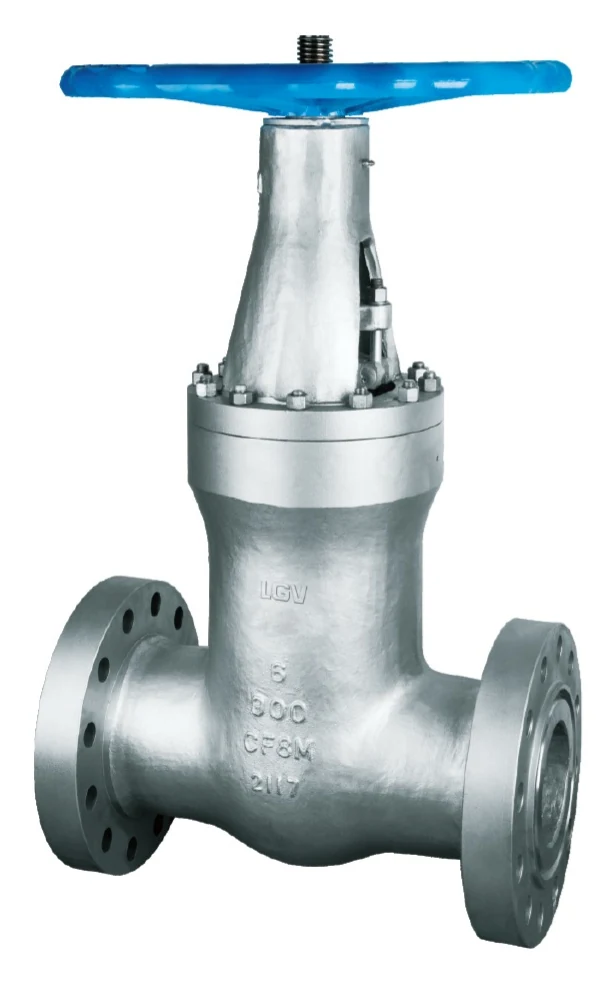
В каталоге указана Задвижка высокого давления нержавеющая стальная ASME с самозатягивающимся уплотнением, с конструкцией крышки давления для рассмотрения изоляции в рамках конкретного проекта. Соединение корпуса и крышки с поджатием давлением не является ни номинальным давлением, ни гарантией герметичности седла или штока. Перед выбором этого клапана сопоставьте предлагаемые материалы и номинальные параметры давление–температура с полным режимом работы, затем проверьте детали прокладки крышки, рабочий перепад и требуемые документы испытаний.
- Крышка: самозатягивающаяся под давлением (обозначение по каталогу)
- Материал: нержавеющая сталь (точные марки корпуса и внутренних деталей не подтверждены)
- Давление: обозначение высокого давления, а не присвоенный класс ASME
- Стандарты: ASME указан в каталоге; соответствие и редакции подлежат проверке
Конструкция крышки
Что меняет крышка давления — и что не меняет
Крышка давления — это конструкция соединения корпуса с крышкой. Внутреннее давление способствует герметичному контакту в этом соединении; его фактическое поведение зависит от прокладки, контактных поверхностей и сборки. Его следует оценивать отдельно от седел задвижки и сальникового уплотнения штока, особенно когда пуск, остановка или термические циклы изменяют давление в соединении.
Соединение корпуса и крышки с поджатием давлением
В конструкции с уплотнением давлением рост внутреннего давления может создавать дополнительную сжимающую нагрузку на прокладку крышки. Пригодность при низком давлении, при тепловых переходных процессах и после технического обслуживания по-прежнему зависит от фактической конструкции соединения и процедуры сборки.
Три независимых пути утечки
Утечка по прокладке крышки, утечка по сальниковому уплотнению штока и утечка по седлу имеют разные уплотнительные поверхности. Выбор крышки с уплотнением давлением не определяет характеристики выбросов через шток и не устанавливает класс утечки по седлу.
Что идентифицирует каталог
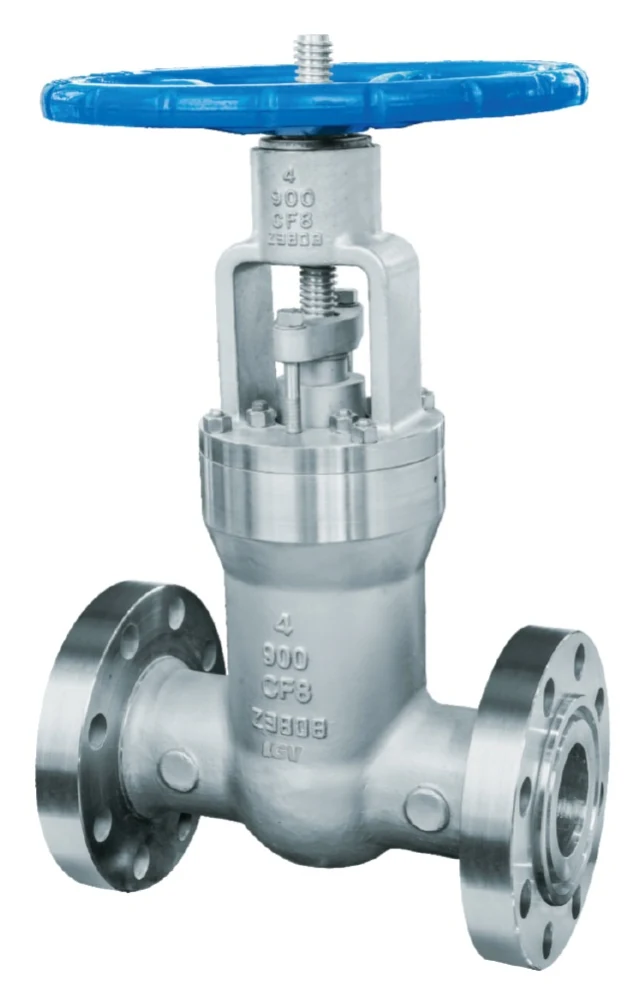
Английский каталог арматуры Lianggong, физическая страница PDF 76, печатная страница 141: два соседних изображения под этим точным названием продукта. Изображения отражают группировку в каталоге и внешний вид, но не материалы по маркам, размеры арматуры или подтверждённый класс давления.
Факты каталога
Идентификация в каталоге и заказные характеристики
Исходный каталог устанавливает название продукта и конструктивные описания, но не содержит готового для заказа перечня размеров, классов давления, температур, уплотнительных материалов или критериев приёмки испытаний для данной позиции. Приведённые ниже различия не позволяют принять формулировки каталога за подтверждённый паспорт.
| Поле | Формулировка в каталоге | Что установлено |
|---|---|---|
| Семейство арматуры | Задвижка | Тип продукта указан; конфигурация не определена |
| Конструкция корпус–крышка | Самозатягивающееся уплотнение под давлением | Конструкция указана; чертёж соединения и детали уплотнения не предоставлены |
| Обозначение материала | Нержавеющая сталь | Только описательный признак; марки корпуса, крышки и внутренних деталей не подтверждены |
| Обозначение давления | Высокое давление | Описательно; без числового класса или рейтинга давление–температура |
| Стандартное обозначение | ASME | Указано в заголовке; без конкретного стандарта, редакции или подтверждения соответствия |
| Раздел каталога | Серия задвижек | Группировка в печатном каталоге, а не спецификация модели |
| Расположение в источнике | Страница 76 PDF; печатная страница 141 | Оба сопоставленных изображения приведены под этим заголовком каталога |
Не указано в данной позиции каталога: сертифицированный перечень материалов, допускаемое давление при температуре, фактические размеры присоединительных концов, спецификация прокладки крышки или протокол испытаний. Перед покупкой запросите предлагаемый паспорт изделия и утверждённый общий вид.
Подтверждённые данные и открытые требования
Что подтверждено, а что требует чертежа из предложения?
Каталог подтверждает указанное семейство задвижек, описание конструкции с давлением-уплотнением, обозначение нержавеющей стали и два сопоставленных фото. В коммерческом предложении должны быть указаны фактические материалы, расчётные условия и комплектующие для эксплуатации. Из заголовка каталога не следует ни класс давления, ни температурный предел, ни соответствие стандарту.
Идентификаторы, подтверждённые каталогом
- Gate valve: product family named in the catalog
- Pressure self-sealing: bonnet construction descriptor only
- Stainless steel: material descriptor, without a specified grade
- High pressure: wording in title, not a published rating
- ASME: title reference, not a conformity or certification statement
Supplier data to approve before ordering
- Pressure–temperature rating for exact materials and maximum design temperature
- Pressure-seal gasket, retaining parts, seating surfaces and assembly requirements
- Body, bonnet, gate, seats, stem, packing and any hardfacing material grades
- Nominal size, end type, face-to-face dimensions and mating piping details
- Service fluid, corrosion/erosion exposure and minimum operating temperature
- Opening differential, actuator load and any pressure-locking mitigation
- Body/bonnet pressure tests, seat-leakage basis and applicable standards/editions
- Approved drawing, material traceability, inspection records and service access
Configuration selection
How to qualify this pressure-seal gate valve for an RFQ
Start with the full isolation duty rather than the words “high pressure.” A pressure-seal bonnet may be considered where body–bonnet joint integrity matters, but the complete offered valve must be rated for the pressure, temperature, medium and operating conditions. If the offered material-specific pressure–temperature rating falls below a required design condition, do not approve that configuration, even if its catalog name contains “ASME.”
Pressure and temperature: the first exclusion test
Request the pressure–temperature rating for the proposed body and bonnet materials, with the applicable code and edition. Check design pressure at the highest required design temperature, minimum temperature and credible transient conditions. A nominal Class label is not a constant permissible pressure at every temperature.
Bonnet gasket and joint assembly
Ask for the pressure-seal gasket/ring material, mating-surface requirements, retainer arrangement and documented assembly procedure. Pressure assistance at the joint does not remove the need for initial sealing contact or qualification through low-pressure operation and thermal cycling. No gasket composition is confirmed for this item.
Stainless steel, seats and packing
Specify body and bonnet grades separately from gate, seating surfaces, stem, packing and pressure-seal gasket. Fluid chemistry, chlorides, temperature and corrosion or galling risk can change the acceptable combination. “Stainless steel” alone does not identify a compatible grade or seal material; request a parts/material list and the material certificates required by the purchase specification.
Isolation function and opening loads
Use a gate valve primarily for open/closed isolation; routine throttling needs another valve selection. Confirm maximum differential pressure on opening, required stem thrust/torque and operating frequency. Where large differential pressure, heating of trapped fluid or thermal binding is credible, request the proposed equalization or bypass strategy—none is proven by these catalog photos.
Acceptance and traceable documents
Before award, agree on the specific design, material, examination and pressure/seat test standards and editions, together with acceptance criteria. Request the approved drawing, pressure-boundary and seat-leakage test records, material certificates, marking/traceability and any required witness points. These are RFQ requirements, not claims that records already exist for WP263.
Service and installation conditions
Conditions that can change the offered valve
The body–bonnet seal is only one part of pressure containment. A suitable offer must also address process chemistry, thermal transients, load on the closure element and the space available to operate or service the valve.
Fluid chemistry and sealing compatibility
Provide medium composition, concentration, solids, cleaning chemicals and expected upset conditions. Confirm compatibility separately for pressure-boundary metal, gate/seat surfaces, stem packing and bonnet gasket. Do not assume an unspecified stainless steel resists the complete service.
Heat-up, shutoff and trapped pressure
During startup or shutdown, trapped fluid and temperature changes may affect the gate opening load and the bonnet joint. If the line can experience large operating differential or thermal cycling, have the supplier document the pressure-locking/thermal-binding review and the proposed operating sequence before fixing the operator.
Connections and maintenance clearance
Use the offered dimensioned drawing to verify ends, mating connections, face-to-face, installation orientation, stem travel and room to dismantle the bonnet/gasket. Catalog photos are not dimensional evidence, and the final supplied end connection is not established by the image alone.
Verified catalog photos
Two catalog views matched to this product
Both views are printed under the exact “ASME Stainless Steel Self-Sealing High Pressure Gate Valve” caption on catalog page 141. They document the appearance of catalog examples, not the specified pressure rating, seal materials, dimensions or final ordered design.
Alternative valve routes
Compare the bonnet type before changing size or actuation
For a closer pressure-seal comparison, see the Задвижка высокого давления ASME с самоуплотняющимся затвором и Задвижка ASME с самоуплотняющимся затвором для высоких температур и высокого давления. Those catalog names do not establish interchangeability. The existing routes below cover other large-diameter or electric arrangements; evaluate each against its own offered drawing and rating.
Электроприводная задвижка большого диаметра
Consider only when the project calls for a separately specified large-diameter and powered arrangement. Confirm size, operator load and pressure–temperature capability rather than assuming equivalence.
Электроприводная задвижка ASME большого диаметра
An ASME-labeled electric large-diameter route, not a proven substitute for this pressure-seal construction. Compare actuation, ends, joint design and approved ratings.
Задвижка ASME большого диаметра
Another catalog route for large-diameter isolation. Check exact body–bonnet construction and material-specific rating before using it as an alternative.
Technical buyer questions
Pressure-seal gate valve: buyer questions
Use these answers to separate a catalog construction label from the performance that must be demonstrated by the offered configuration.
Does a pressure-seal bonnet eliminate all valve leakage?
No. The pressure-assisted seal concerns the body–bonnet joint. Stem packing and the gate/seat shutoff are different leakage paths. The selected gasket and joint also need to seal under the required pressure and temperature cycling conditions.
Does “ASME” in the name prove ASME B16.34 compliance or a pressure Class?
No. “ASME” is part of the catalog designation, not a certification or assigned pressure Class. Request the specified code and edition, design and test records, and the pressure–temperature rating of the exact offered materials.
Can the stainless steel label identify the bonnet gasket or trim materials?
No. It does not define body or bonnet grade, wedge and seat materials, stem packing or pressure-seal gasket composition. These must be listed separately on the approved material schedule and checked against the fluid and temperature.
What data should accompany a quotation request?
Give the isolation duty, fluid, design and operating pressure/temperature, nominal size, end connections, maximum opening differential, actuation preference, quantity and required drawings, material certificates and pressure/leakage tests. Request a configuration-specific offer.
Запросить техническое коммерческое предложение
Request the material, bonnet-seal and rating review
Справочная информация WP263 / CCE-R2-0042 in the inquiry. Include what is known and specify the records needed for approval; the team can discuss the proposed configuration without treating the catalog photos or name as a certified datasheet.
- Isolation service, medium, operating/design pressure and temperature
- NPS/DN, desired pressure Class, end connections and piping requirements
- Required pressure-seal gasket, body/bonnet/trim/packing materials or review criteria
- Opening differential, operator preference and expected thermal cycling
- Quantity and requested drawing, certificates, examination and test documents