
Каталог арматуры для электростанций · задвижки, запорные и обратные клапаны
Арматура для электростанций: задвижки, запорные и обратные клапаны
Ознакомьтесь с каталогом арматуры для электростанций от VALMORA — для паропроводов и общестанционных систем: отключение, регулирование, предотвращение обратного потока и вспомогательное оборудование. Начните с функции арматуры, затем сравните конкретную модель из каталога, присоединение, расчётную базу давления и температуры и привод, прежде чем запрашивать техническое предложение.
Доступные разделы каталога: задвижки для отключения потока; запорные клапаны там, где требуется ограничение расхода или частая работа; обратные клапаны для предотвращения обратного потока; а также сетчатый фильтр и шаровой кран. Для каждого заказа требуется спецификация конкретной модели.
Ознакомьтесь с 15 позициями каталога арматуры для электростанций
В исходном каталоге для электростанций содержится 8 задвижек, 3 запорных клапана, 2 обратных клапана, 1 сетчатый фильтр и 1 шаровой кран позиций, ссылки на которые приведены ниже. Используйте наименования изделий и изображения для выбора конструктивного исполнения; они не устанавливают класс давления, марку материала, температурный предел или сертификат для каждой конфигурации. Выберите изделие, чтобы ознакомиться с его собственной записью.
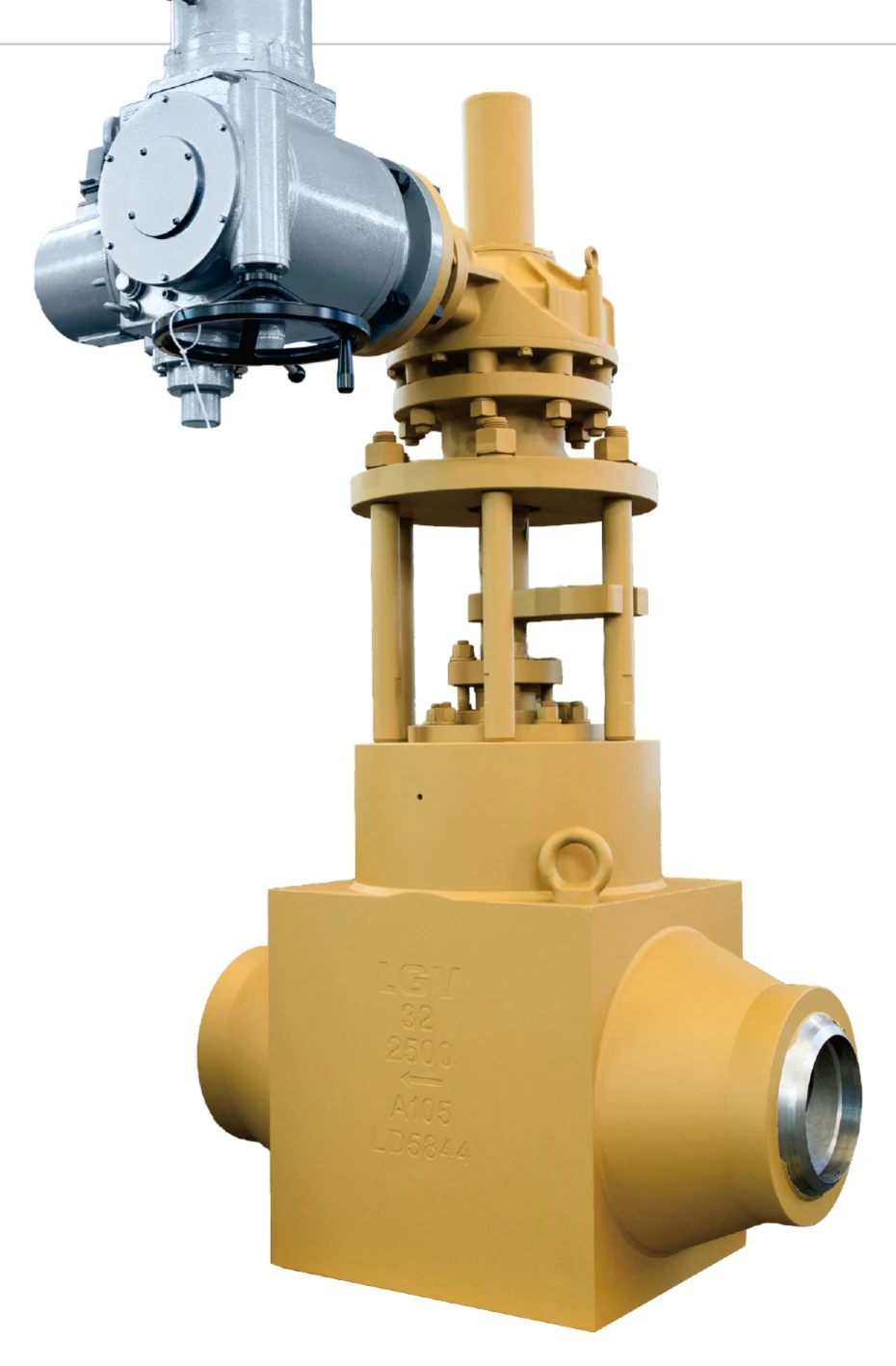
Задвижка · электропривод · страницы каталога PDF 58, 64
Электроприводная задвижка из кованой стали для электростанций
Маршрут с электроприводом для открытия/закрытия. Укажите питание привода, перепад давления, время хода и режим отключения.
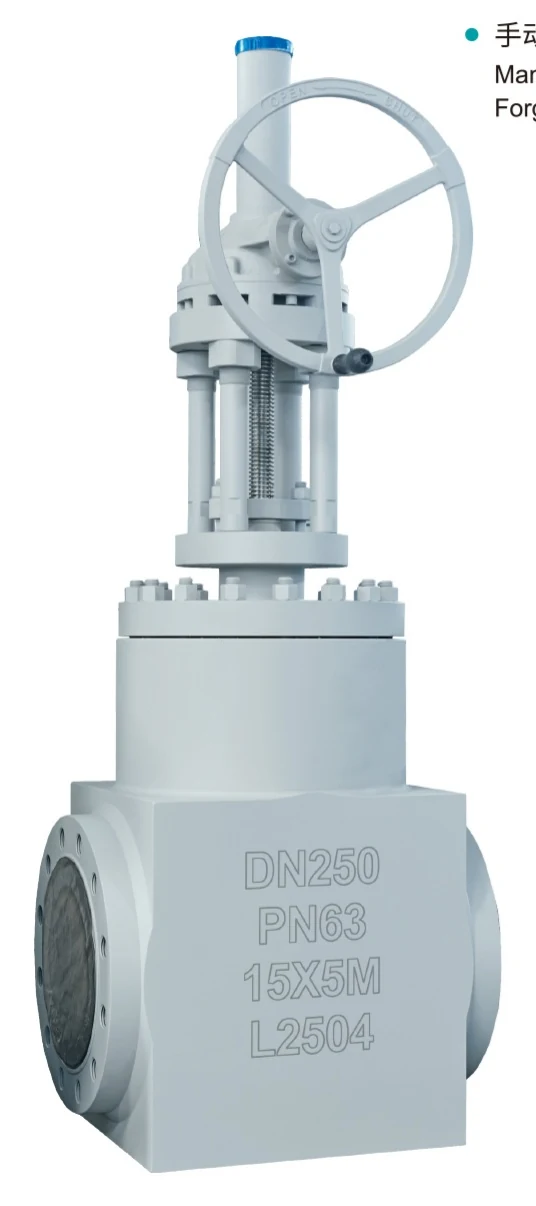
Задвижка · ручная · самозапирающаяся · страница каталога PDF 59
Задвижка из кованой стали с ручным управлением и самозапирающимся затвором
Маршрут с ручным управлением. Проверьте работу маховика, конструкцию крышки и требуемое усилие прилегания затвора к седлу.
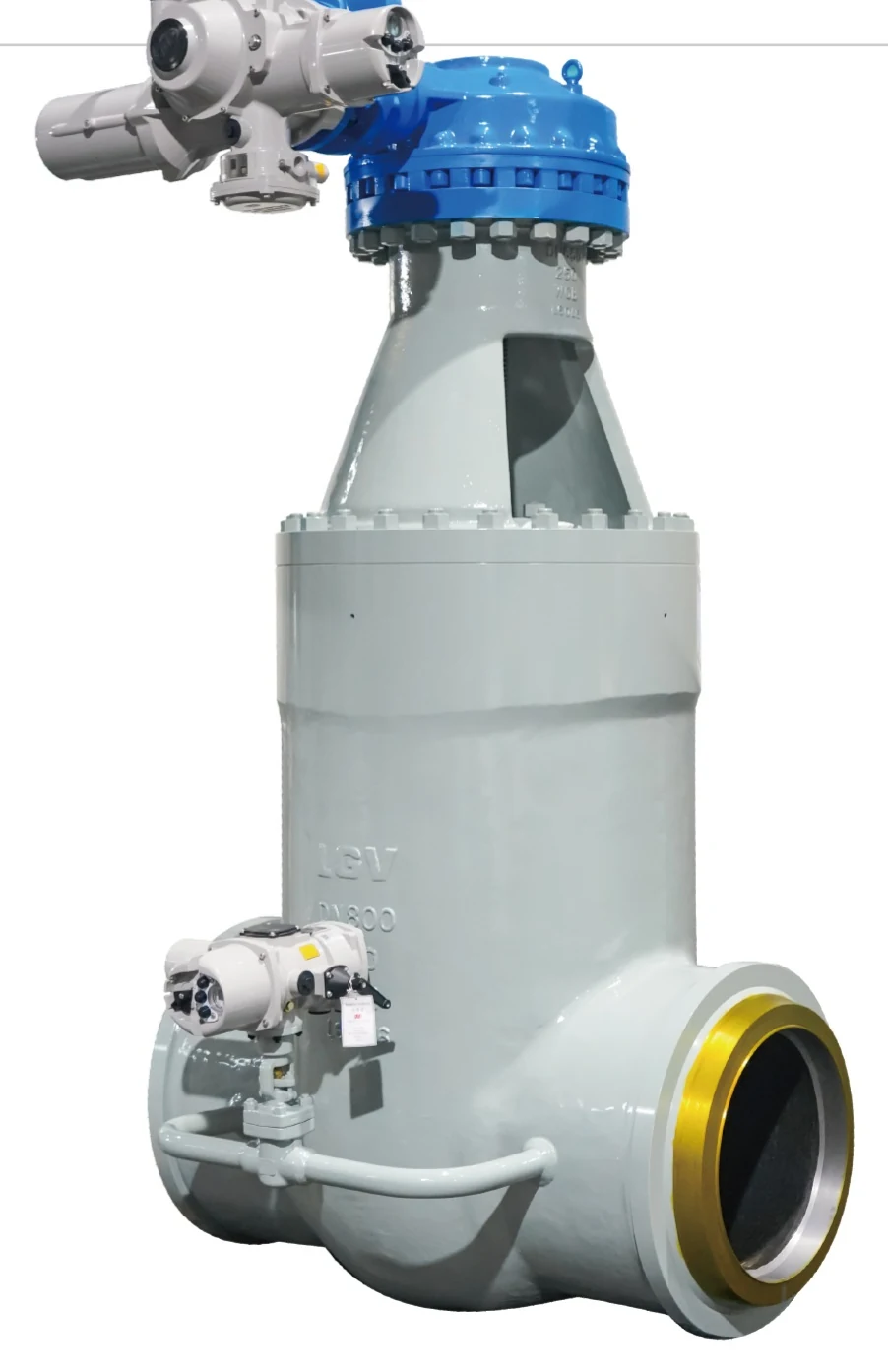
Задвижка · с электроприводом · самозапирающаяся · страницы каталога PDF 59, 60, 61
Электроприводная задвижка высокого давления из кованой стали для электростанций
Маршрут с дистанционным управлением. Проверьте усилие на штоке, выбор привода и условия отключения.
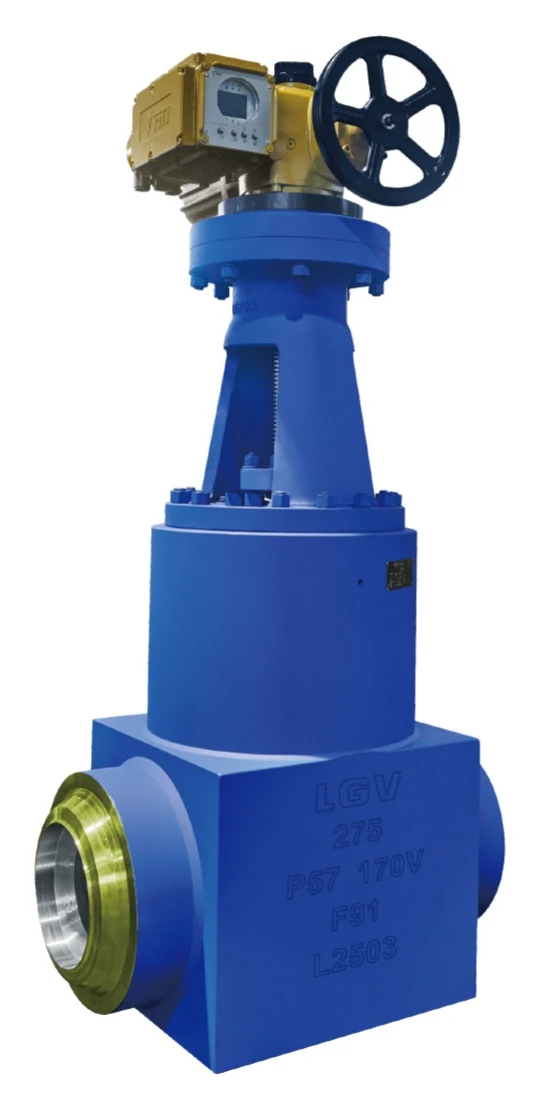
Задвижка · с маркировкой ГОСТ · страница каталога PDF 60
Электроприводная задвижка из кованой стали по ГОСТ
Только обозначение по каталогу; укажите требуемый документ ГОСТ и редакцию в запросе.
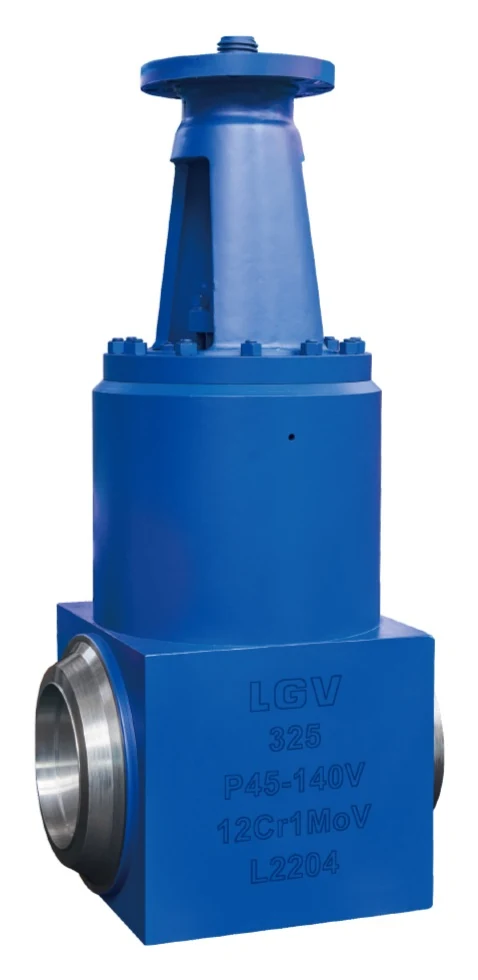
Задвижка · из кованой стали · страницы каталога PDF 60, 63
Задвижка из кованой стали для электростанций
Опция кованого корпуса. Сравните подготовку концов, чертёж корпуса и условия эксплуатации.
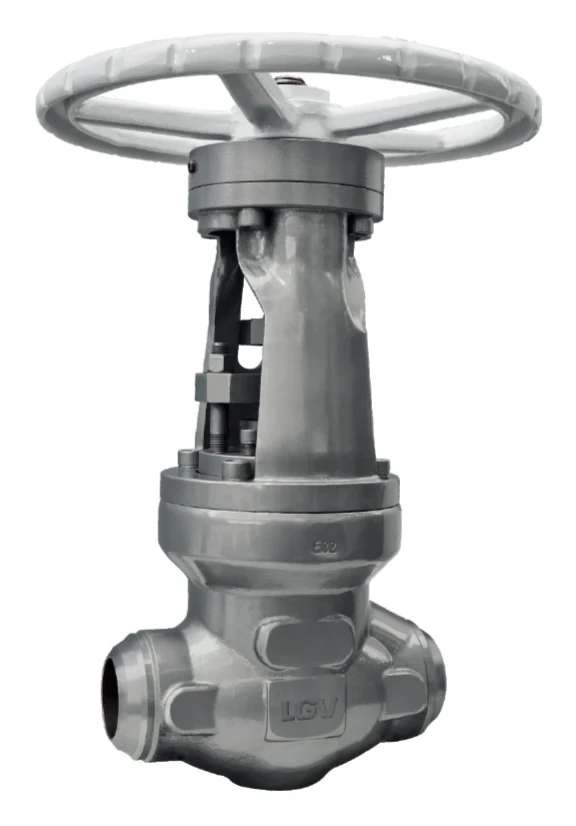
Задвижка · с маркировкой высокого давления · страницы каталога PDF 61, 62, 63, 64
Задвижка высокого давления с самоуплотняющимся затвором для электростанций
Вариант с самоуплотнением по каталогу; запросите чертёж в разрезе и температурный класс по расчётным параметрам.
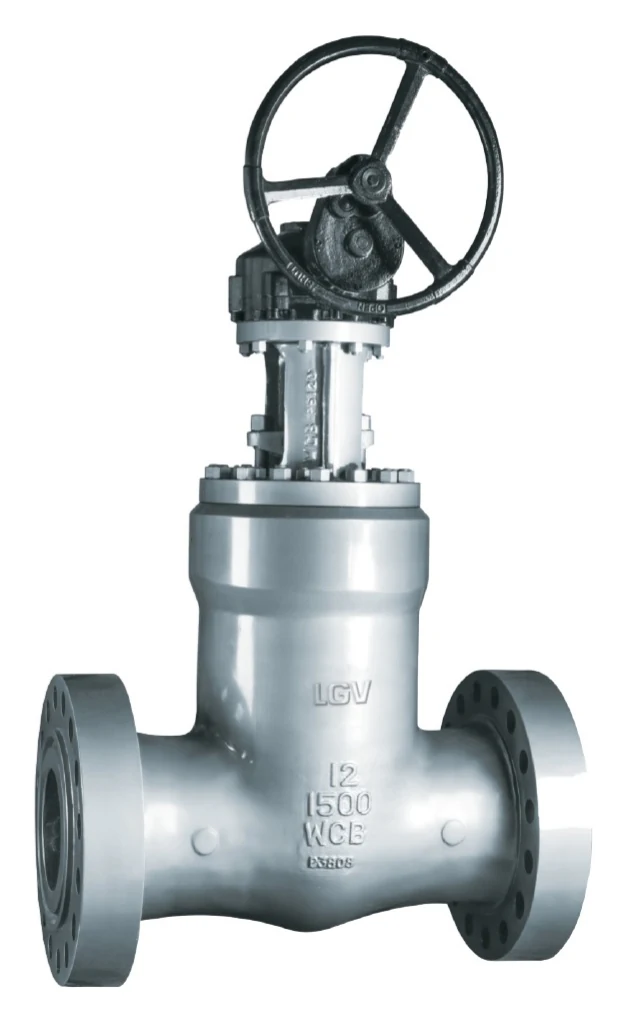
Задвижка · с маркировкой ASME · страница каталога PDF 61
Задвижка высокого давления ASME с самоуплотняющимся затвором
Запросите фактически указанный стандарт ASME, редакцию и документацию на предлагаемую арматуру.
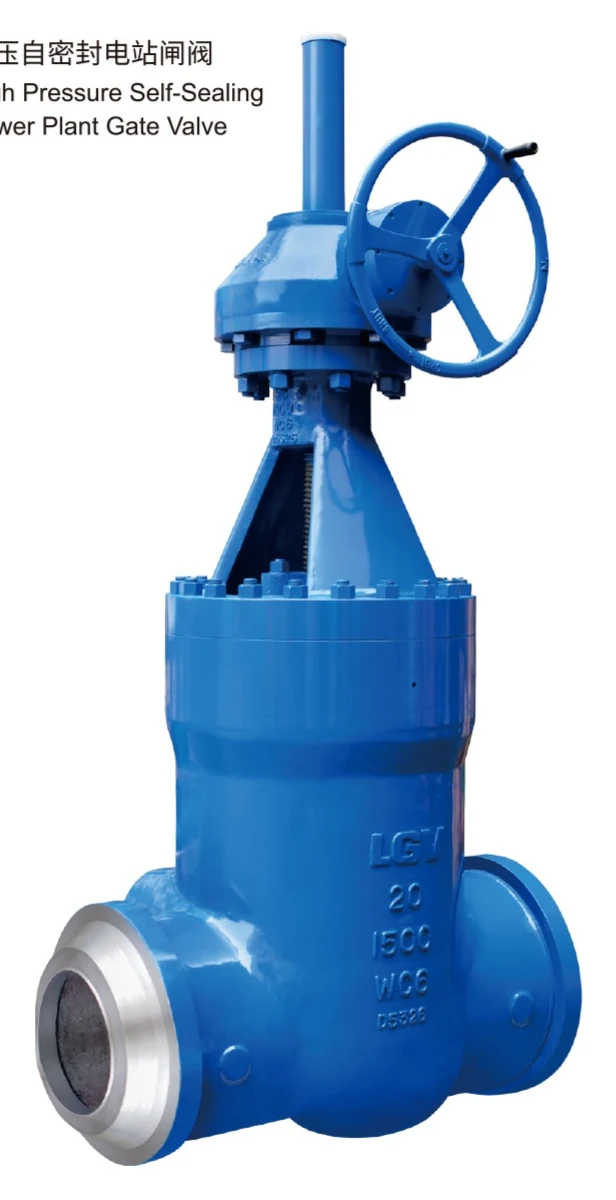
Задвижка · с маркировкой высокой температуры · страница каталога PDF 62
Задвижка ASME с самоуплотняющимся затвором для высоких температур и высокого давления
Проверьте материал, внутренние детали затвора, исполнение крышки и пределы давления–температуры в рабочей точке.

Запорный клапан · с маркировкой высокого давления · страница каталога PDF 64
Запорный клапан высокого давления с самозатягивающимся уплотнением ASME
A globe flow path may add pressure loss; verify intended shutoff or regulation duty.
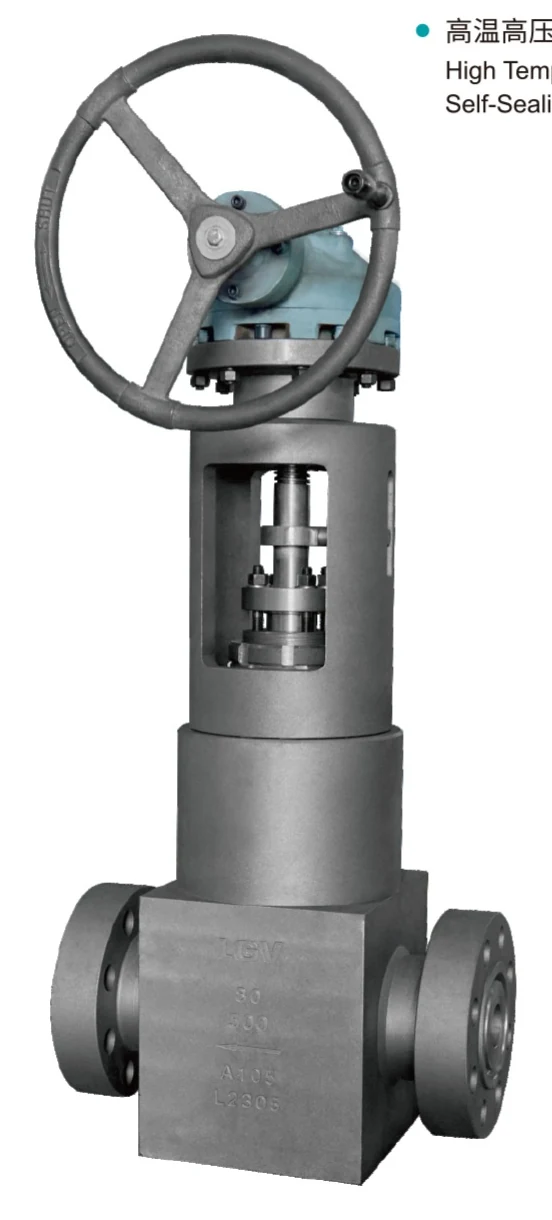
Globe valve · T-pattern · PDF catalog page 65
Запорный клапан T-типа высокого давления и температуры с самозатягивающимся уплотнением
Review flow direction, pressure drop and trim duty before choosing this geometry.
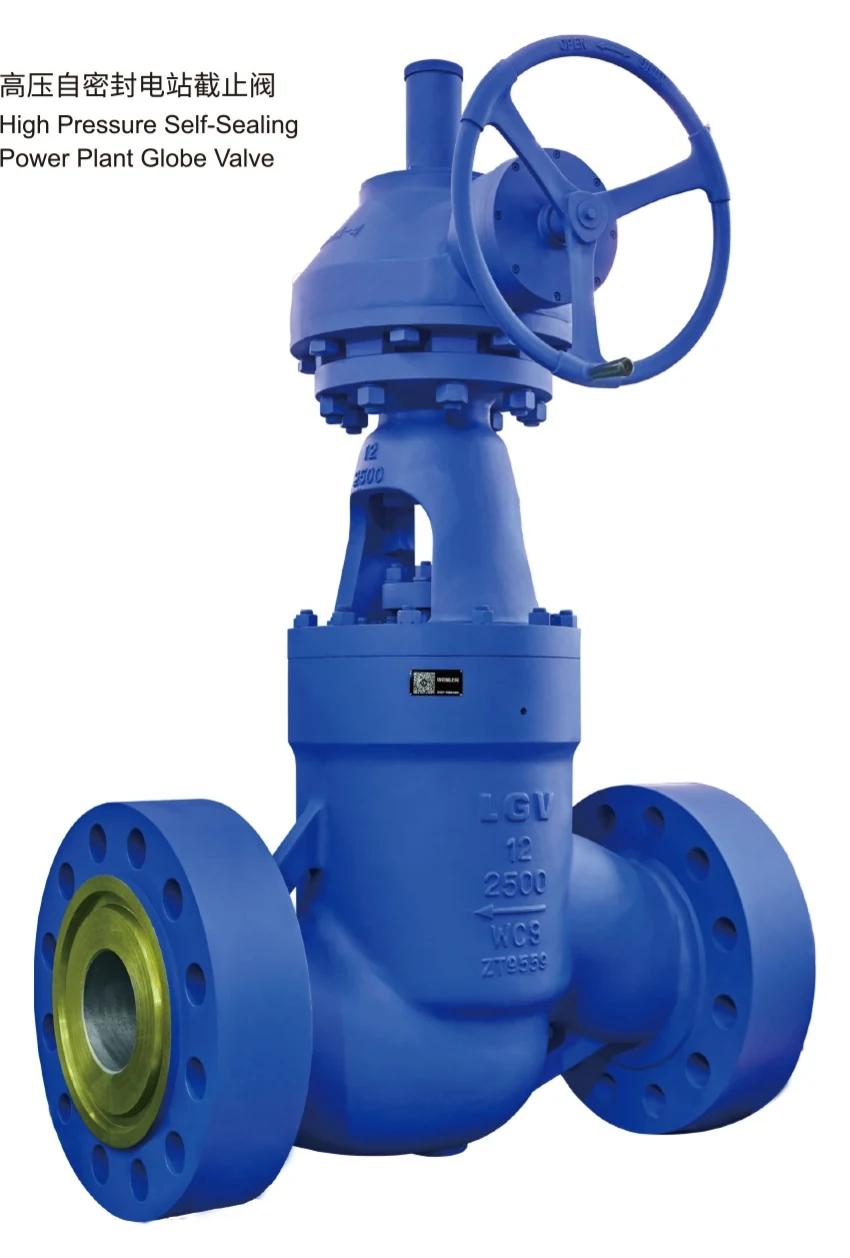
Globe valve · self-sealing · PDF catalog page 65
Запорный клапан высокого давления с самозатягивающимся уплотнением для электростанций
Consider for local flow restriction or shutoff; confirm operating frequency and seat design.
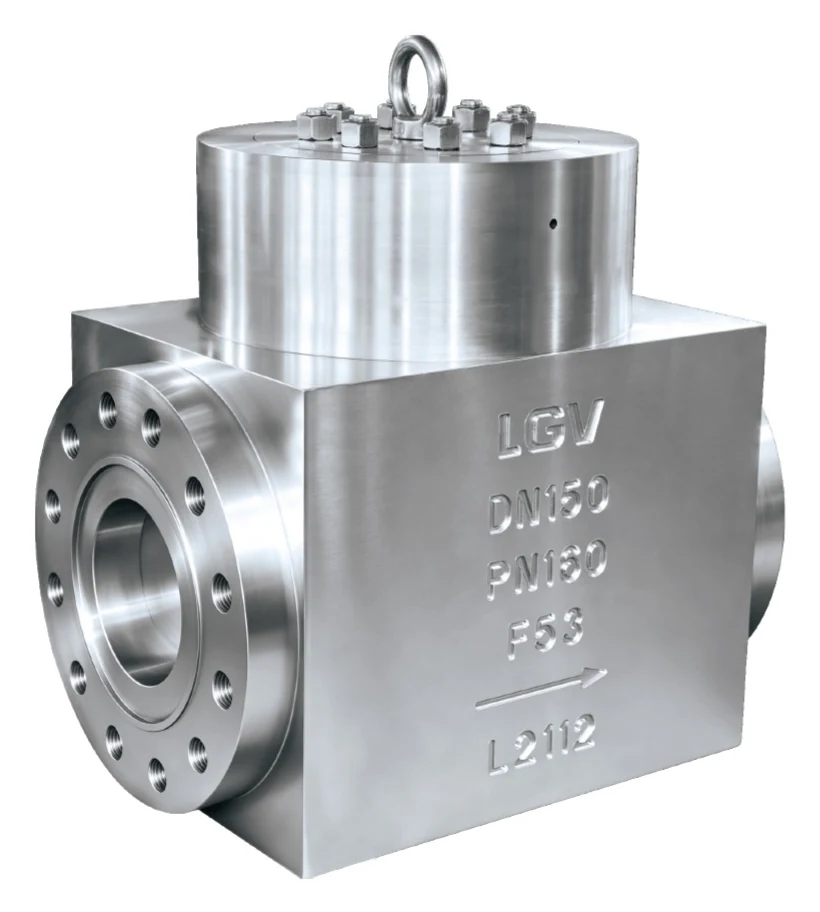
Check valve · forged steel · PDF catalog pages 67, 69
Обратный клапан высокого давления из кованой стали
Non-return route. Match allowable reverse flow, minimum stable flow and closing behavior.
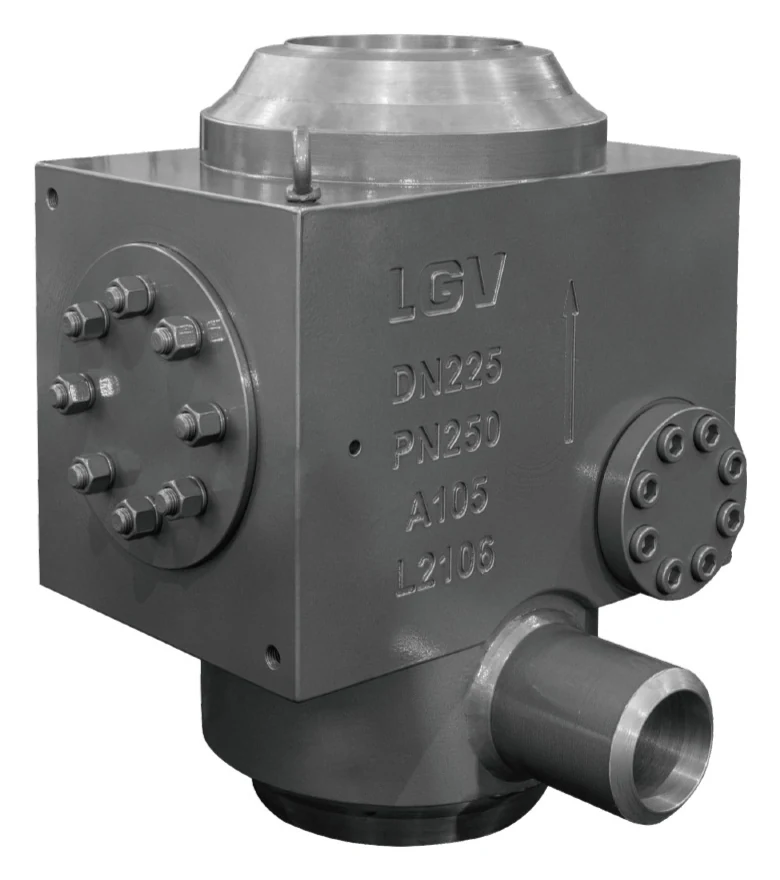
Check valve · high-temperature-labelled · PDF catalog page 67
Обратный клапан для электростанций на высокие температуру и давление
Confirm orientation, flow range, closure dynamics and transient design conditions.

Strainer · straight-flow T-type · PDF catalog page 68
Прямоточный T-образный сетчатый фильтр из кованой стали ASME
Specify particulate duty, screen access, allowable differential pressure and cleaning plan.
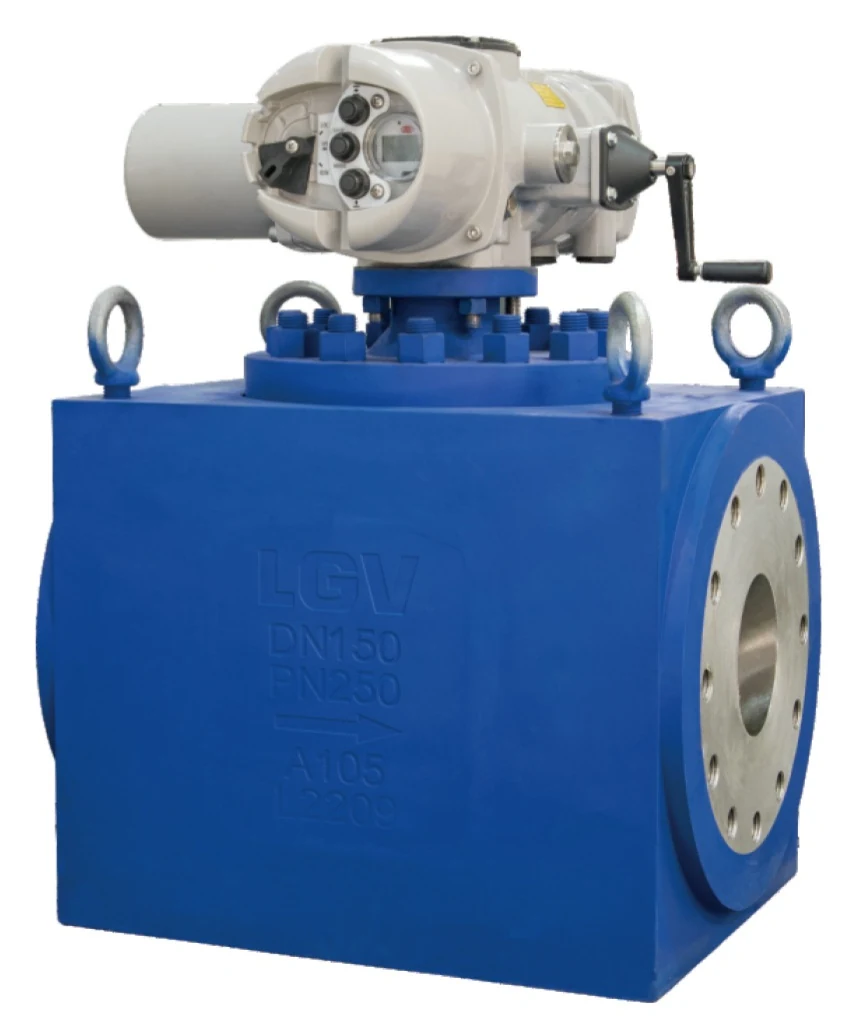
Ball valve · high-temperature-labelled · PDF catalog page 69
Шаровой кран для электростанций на высокие температуры и давления
Quarter-turn route; confirm seat design and temperature suitability for the actual service.
Additional original catalogue variants
These source-catalogue images were retained for accurate product identification. They depict additional configurations and are not the product images assigned to the 15 linked series cards above.
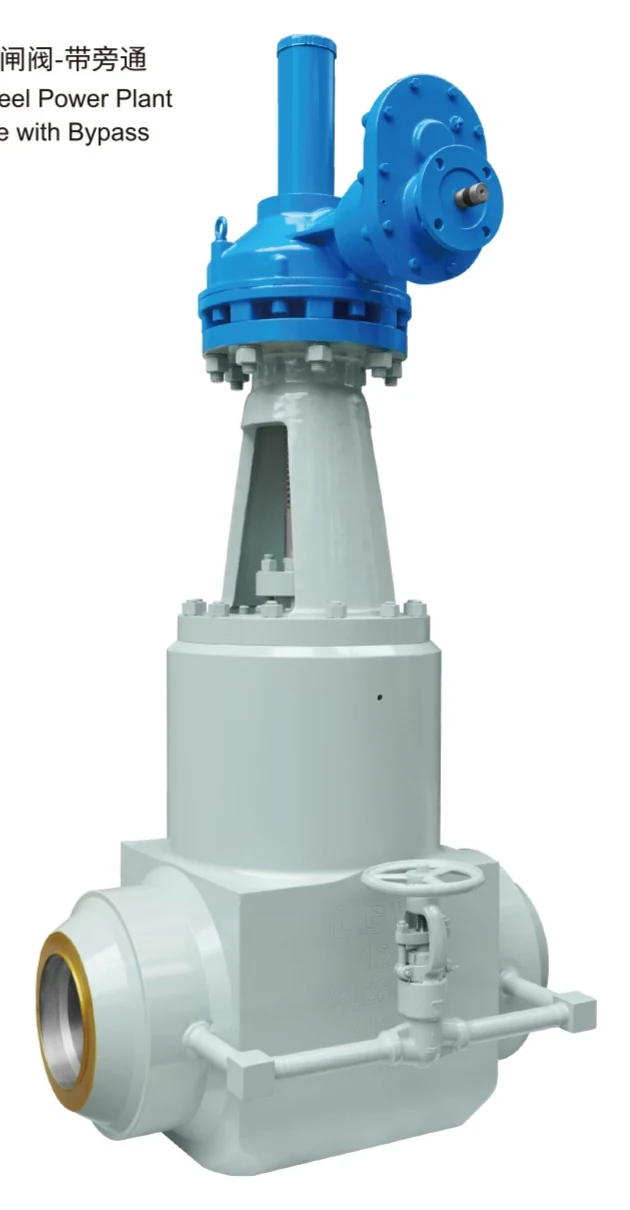
Forged Steel Power Plant Gate Valve with Bypass
PDF physical 060; bypass-equipped variant
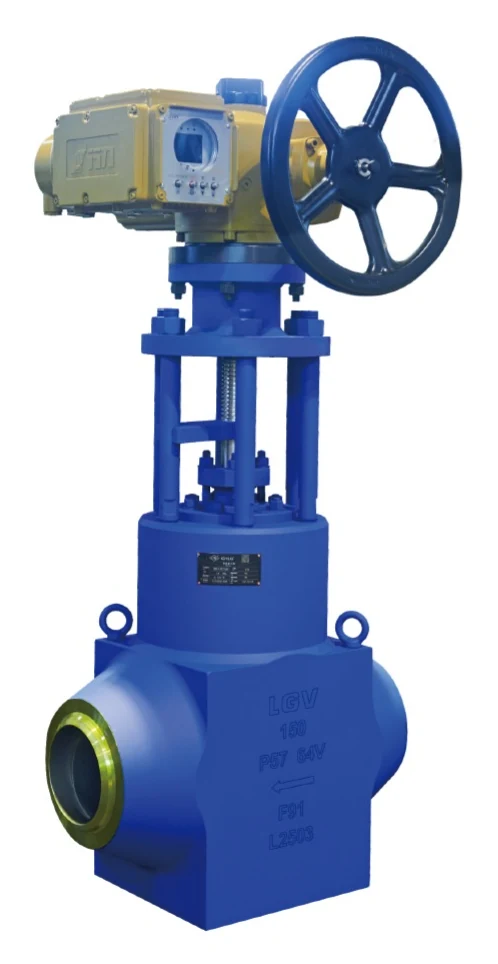
Электроприводная задвижка из кованой стали по ГОСТ
PDF physical 060; alternate GOST catalogue image
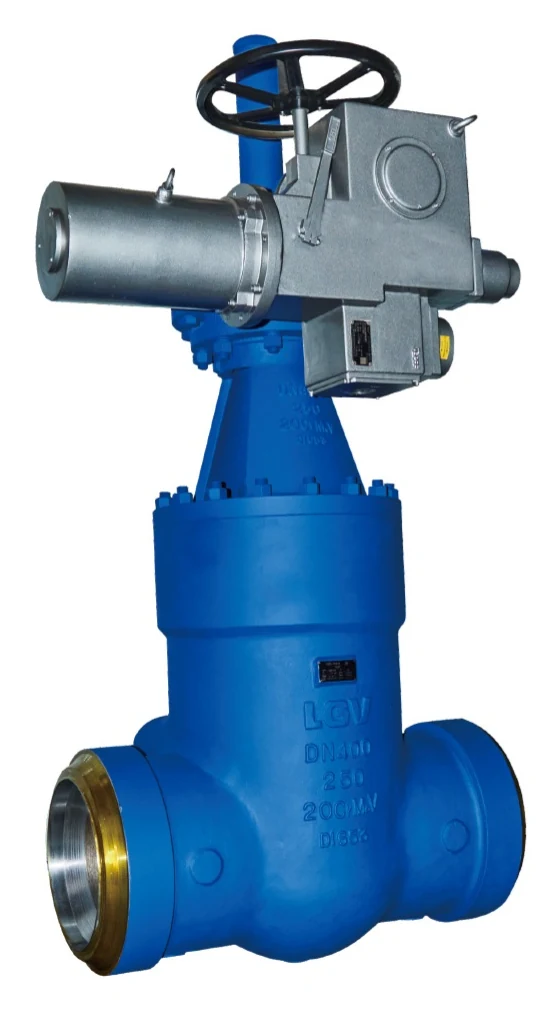
Электроприводная задвижка высокого давления из кованой стали для электростанций
PDF physical 061; electric-operator variant
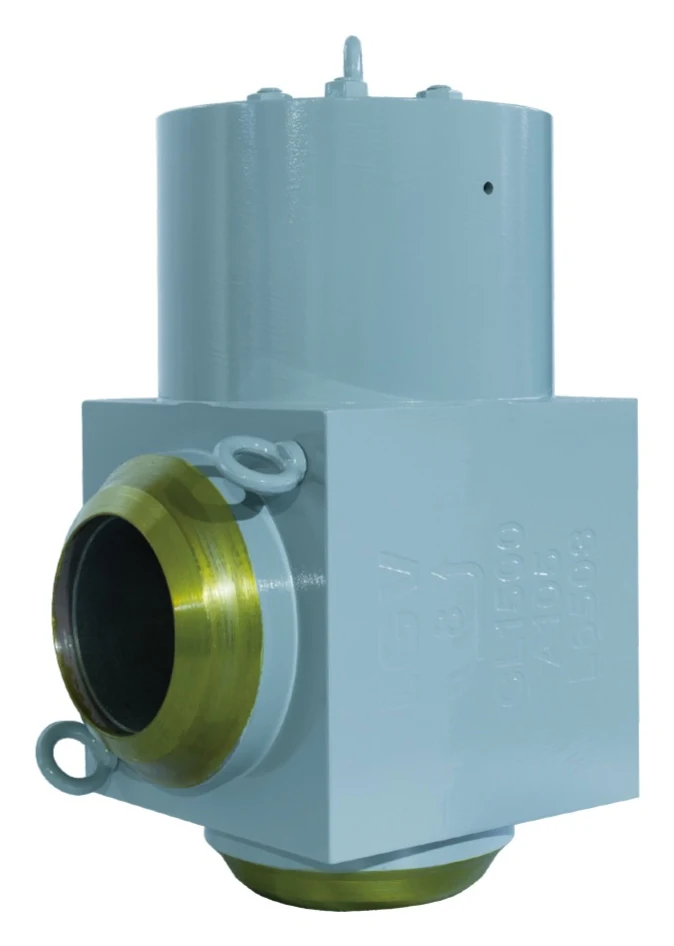
Self-Sealing High Temperature ASME Straight Flow T-Type Strainer
PDF physical 068; self-sealing strainer variant
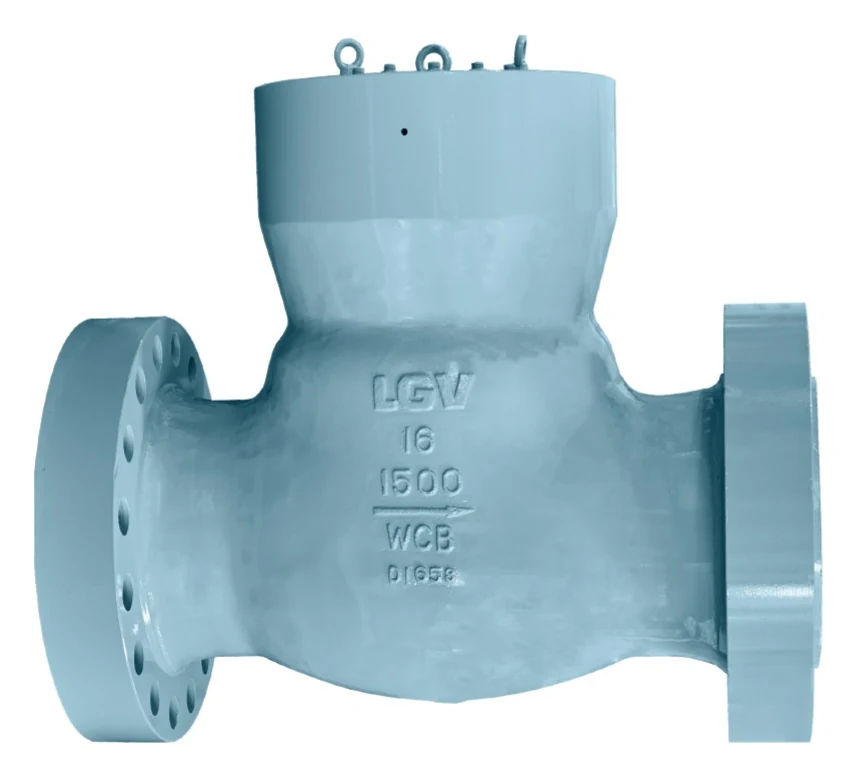
Обратный клапан высокого давления из кованой стали
PDF physical 069; check valve, not ball valve
Choose by valve function
Gate, globe or check: which product should you open first?
These products are not interchangeable simply because they appear in the same power station catalogue. Decide whether the valve must isolate, restrict flow или prevent reverse flow. The power generation application page covers plant-system conditions; this series page helps you shortlist the matching catalogue item.
Gate · on/off isolation
Choose a gate-valve route for a line normally operated fully open or fully closed, particularly when low open-valve resistance matters. Do not use a conventional gate valve as the first choice for sustained throttling; verify seat tightness and opening differential pressure.
Globe · flow restriction and shutoff
Choose a globe route where the flow path and shorter plug travel suit frequent operation, local restriction or drain service. Allow for higher pressure loss than a gate design and verify trim behavior; a standard stop globe is not automatically a turbine-bypass control valve.
Check · reverse-flow protection
Choose a check valve when flow must stop reversing without an external operator. Sizing must address minimum normal flow, orientation and closure during a pump trip—not just nominal line size. The catalogue also includes strainer and ball-valve designs for different tasks.
Construction and operator
Narrow the catalogue choice by operation and construction
After choosing the valve type, compare the catalogue variants on operator, bonnet design and duty severity. The labels below describe catalogue routes rather than guaranteed material, pressure or test ranges.
Manual or electric gate operation
A handwheel design suits local, accessible operation where manual effort and closing time are acceptable. For remote or frequent plant commands, start with an electric gate entry; specify supply voltage, open/close time, maximum differential pressure and required actuator output.
Self-sealing and elevated-temperature labels
Several gate and globe entries carry “self-sealing,” “high pressure” or “high temperature” in their catalogue titles. Before treating them as pressure-seal designs, request the bonnet section, sealing arrangement, material schedule and pressure–temperature rating for the offered version.
Specialized items in the same catalogue
The listed check valves address non-return duty; the T-type strainer addresses debris capture; and the ball-valve entry is a separate quarter-turn option. None of these should replace an engineered boiler-feedwater recirculation or turbine-bypass control package without a separate control-valve review.
Quick comparison
Match valve function to a practical product route
Use this as a first shortlist, not as a complete pressure-boundary approval. A valve that fits the function can still be unsuitable at the specified pressure, metal temperature, cycling rate or allowable pressure drop.
| Требуемая функция | Product route and reason | Confirm on the offer |
|---|---|---|
| Low-restriction line isolation | Задвижка — Typically lower open-path resistance; not a normal throttling choice. | Seat leakage, ΔP at opening, bonnet design, end preparation, stem/actuator load |
| Local restriction, drains or frequent shutoff | Запорный клапан — Flow changes direction through the seat, adding pressure loss; check trim and erosion. | Flow rate, available ΔP, trim, shutoff requirement and flow direction |
| Pump discharge or other non-return function | Check valve — Automatic closure is sensitive to actual flow and transients; line-size match alone is insufficient. | Minimum flow, reverse-flow risk, orientation, trip transient, closing characteristic |
| Contaminant interception upstream of equipment | T-type strainer — Captures debris but adds pressure loss and needs cleaning access. | Particle load, mesh/opening, ΔP limit, screen maintenance |
| Modulating bypass, startup or minimum-flow regulation | Engineered control valve — Separate duty from a simple gate/globe stop valve; high ΔP may demand special trim. | Normal/startup flow cases, inlet/outlet pressure, cavitation/noise, fail action |
Selection errors that matter
Four checks that can change the valve specification
Two valves with similar catalogue titles may require different purchase specifications. Resolve the issues below before choosing a material or operator on price alone.
- A pressure class does not establish the allowable pressure at every temperature; review the actual body material and design-temperature rating.
- An isolation gate valve is not a substitute for a throttling or turbine-bypass control valve.
- Electric-operator sizing needs the specified pressure differential, stem thrust or torque, operating time and power/fail requirements.
- A check valve must be evaluated for minimum flow and trip-related reverse flow, not only pipe diameter.
Specification evidence
What a catalogue image can—and cannot—confirm
The supplied catalogue shows real product representations and design names, but it does not provide an order-specific pressure–temperature schedule or approval dossier on these pages. Ask for the documents that correspond to the offered configuration and edition.
Identify the exact construction
Use the matching catalogue image and detail-page name to select a candidate. For a self-sealing designation, ask for a body/bonnet section and seat/trim drawing rather than inferring the internals from a casting or catalogue label.
Validate the operating envelope
Match design pressure and temperature, transient cases, material specification, end connection, seat leakage and actuator/flow requirements to the quoted valve. ASME or GOST in a product title is not evidence that a particular edition or approval has been supplied.
Agree on records before ordering
Request the datasheet and GA/dimensional drawing first; then align the purchase specification on material traceability, inspection/test plan, applicable test records and any project-required third-party or jurisdictional documents.
Where to continue
Move from the product series to the right next page
This page owns the product shortlisting and catalogue route. For boiler, feedwater, condensate and cooling-system duty analysis, see the power generation industry page. For other systems browse the industry overview.
All industrial valve products
Return to the product hub when your requested function falls outside this power station catalogue.
Compare gate valve designs
Use the gate-valve family for broader construction and end-connection choices beyond the power station labels.
Power generation systems
For steam, feedwater and cooling circuit operating cases, follow the application-specific selection discussion.
Technical resources
Open the resource hub for available technical guidance and document navigation; individual guide availability must be checked.
Compare technical offers
What a useful power station valve quotation should state
Once a valve family is chosen, send the same service cases to each bidder. A price comparison is meaningful only when the offered configuration, test scope and documentation are aligned.
Specified vs included equipment
Check the exact model and bonnet arrangement, body/trim/seat materials, end connection, manual or electric operator, accessories and any listed alternatives. For actuated gate valves, include actuator and electrical data.
Design and duty compatibility
Check the pressure–temperature rating against the stated material and design temperature, flow and pressure drop where relevant, seat leakage requirement and any startup/trip cases. Class labels alone are not a complete comparison.
Documents and order exclusions
Identify which drawings, inspection/testing records, material documents and additional approvals are included or subject to order confirmation. List deviations from the project specification explicitly.
Power plant valve FAQ
Questions that affect power generation valve orders
These answers distinguish the catalogue’s product identities from a duty-specific specification or approval.
How do I choose between a gate, globe and check valve?
Choose a gate valve for on/off isolation, a globe valve where the intended duty needs flow restriction or frequent local operation, and a check valve for non-return service. Then verify pressure drop, orientation, pressure–temperature limits and the exact model.
Does “ASME” or “GOST” in a product name prove certification?
No. It is part of the catalogue product designation. State the applicable standard, edition, inspection scope and any project approval required, and request documentation for the exact valve offered.
Does this series cover turbine-bypass or nuclear-qualified valves?
Not by the series name. Turbine-bypass regulation may need a separately engineered severe-service control valve. Nuclear or other special qualifications require their own documented scope and project acceptance.
What should I send for a technical quotation?
Send the valve function or tag, medium and phase, design and operating pressure/temperature (including startup and trips), size and end connection, operation or fail requirements, project standards, quantity and required drawings or inspection records.
Запросить техническое коммерческое предложение
Share your valve list for product and configuration review
Send the valve schedule or list the tags you need. Include known operating cases; mark unknowns rather than filling them with assumptions. VALMORA can review the product route and quote the stated configuration subject to technical and document confirmation.
- Valve tag, function and any preferred catalogue item
- Fluid, phase and important service contaminants
- Design and normal/startup/trip pressure and temperature
- Nominal size, end connection and installation orientation
- For motor operation: power supply, stroke time and differential pressure
- For check valves: minimum flow and trip or reverse-flow conditions
- Project specification, document edition and test/inspection requirements
- Quantity, required drawings and known schedule constraints