
Задвижка с ручным управлением | крышка с самоуплотнением давлением
Задвижка из кованой стали с ручным управлением и самозапирающимся затвором
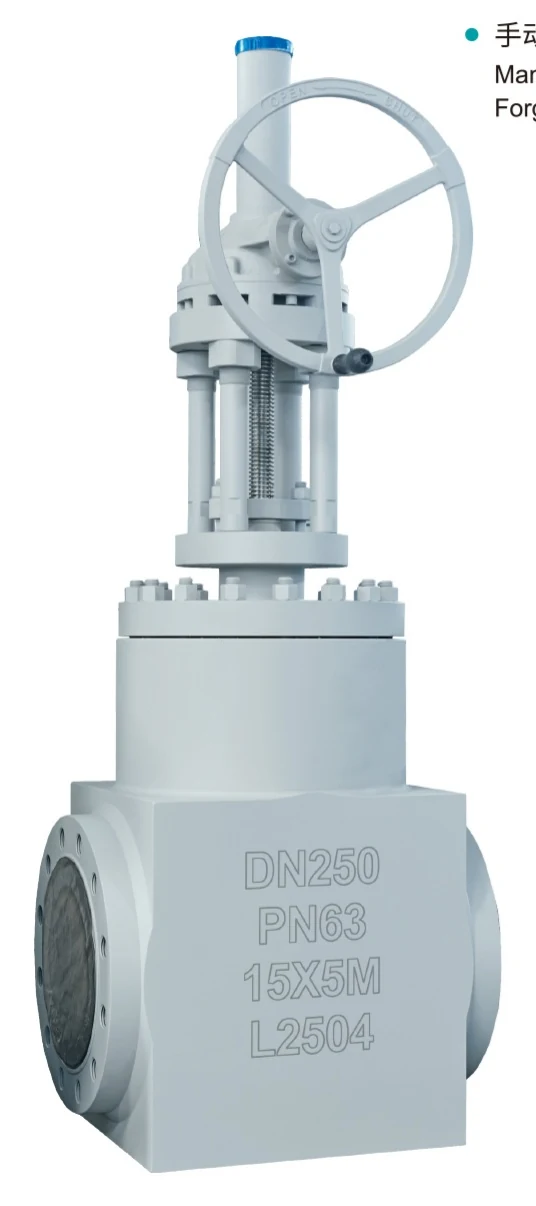
Задвижка из кованой стали с ручным управлением и самозапирающимся затвором представляет собой задвижку с ручным управлением из каталожной серии арматуры для электростанций. Для местного отключения/включения потока сначала проверьте, целесообразно ли ручное управление при требуемом перепаде давления. Описание самоуплотнения давлением относится к уплотнительному соединению корпуса с крышкой; герметичность затвора по седлу и заказываемый номинальный режим давление-температура по-прежнему требуют точного паспорта клапана.
- Область применения для оценки: ручное отключение/включение потока
- Конструкция крышки: самоуплотнение давлением
- Каталожная серия: Арматура для электростанций
Обзор продукта
Ручное отключение и конструкция с самоуплотнением давлением
Задвижку обычно выбирают для работы в полностью открытом или полностью закрытом положении, а не для удержания промежуточного положения с целью регулирования расхода. Ручной привод имеет смысл там, где персонал может добраться до клапана и требуемое усилие управления и время закрытия приемлемы. Если режим требует дистанционного или автоматического управления, сравните указанный продукт с электроприводом по его собственной спецификации.
Рабочая функция
Рассматривайте этот вариант для местного отключения при полностью открытом/полностью закрытом положении. Для непрерывного дросселирования или точного регулирования задайте подходящую конструкцию регулирующего клапана, а не предполагайте, что частично открытая задвижка справится с этой задачей.
Почему крышка с самоуплотнением давлением?
В конструкции крышки с самоуплотнением давлением внутреннее давление создаёт сжимающую нагрузку на прокладку соединения корпуса с крышкой. Это концепция уплотнения границы давления, а не заявление об отсутствии утечек по седлу, отсутствии утечек через сальник или о неограниченном номинальном давлении.
Ссылка на каталог
Серия арматуры для электростанций, каталог PDF, стр. 59 (печатная страница 107). Три изображённые задвижки с ручным управлением представлены под этим названием продукта; соседний клапан с электроприводом указан отдельно на печатной странице 108.
Данные изделия
Что идентифицирует каталог продукции
В каталоге указаны тип клапана, ручное управление и конструкция с самопрессующимся уплотнением под давлением. В нём не представлены утверждённый размерный чертёж, выбранные марки материалов, класс герметичности затвора или проверенный диапазон давления и температуры для данного заказа.
| Поле | Описание каталога | Источник |
|---|---|---|
| Продукт | Задвижка из кованой стали с ручным управлением и самозапирающимся затвором | Обозначение на печатной странице 107 |
| Тип арматуры | Задвижка | Обозначение в каталоге |
| Конструкция крышки | Самопрессующееся уплотнение под давлением (формулировка каталога) | Обозначение в каталоге; детали соединения не предоставлены |
| Эксплуатация | Ручное | Обозначение в каталоге и соответствующие изображения |
| Раздел каталога | Арматура для электростанций | Заголовок страницы каталога |
Для заказа: используйте подтверждённый поставщиком паспорт и утверждённый чертёж для определения типоразмера, материалов, номиналов давления и температуры, концевых соединений, требований к испытаниям и усилия при эксплуатации. Видимые обозначения на фотографиях каталога не являются подтверждённым диапазоном предложения.
Детали границы давления
Крышка с самоуплотнением давлением в сравнении с герметичностью затвора по седлу
Крышка с самоуплотнением давлением использует внутреннее давление для увеличения сжатия прокладки соединения крышки. Это относится к соединению корпуса с крышкой. Герметичность по затвору и сёдлам, утечки через сальниковое уплотнение штока и начальные условия уплотнения — это отдельные инженерные вопросы. Запросите чертёж предлагаемой конструкции и заданные критерии приёмки гидро- и пневмоиспытаний на герметичность; одно название в каталоге их не определяет.
Установленная идентичность продукта
- Задвижка: предназначена для работы в режиме полного открытия/полного закрытия; фактическая конструкция седла не указана
- Самоуплотнение давлением: относится к соединению крышки, а не гарантирует отсутствие утечек по седлу
- Ручное управление: на изображении маховики; усилие на маховике и наличие редуктора требуют уточнения
Параметры, определяющие предлагаемый клапан
- Расчётное и рабочее давление, пределы давления-температуры и переходные режимы
- Разрез соединения крышки, прокладка, крепёжная деталь и схема начального уплотнения
- Конструкция затвора и седла, направление герметичности и допустимая утечка по седлу
- Body, bonnet, stem, trim, packing and gasket material specifications
- Nominal size, end type, connection dimensions and mating piping
- Maximum differential pressure during opening or closing and required manual effort
- Fluid composition, operating temperature, start-up and thermal cycling
- Stem clearance, installation orientation, access and maintenance space
- Project design and test standards, editions, inspection and documentation scope
- Quantity, delivery terms, identification and required material traceability
Selection guidance
How to decide if a manual pressure-seal gate valve fits
Start with the valve’s job. A pressure-seal bonnet can be relevant to the pressure-boundary design, but it does not determine whether a gate valve, a manual operator, or a particular seat construction is right for your duty.
Отсечение или регулирование?
Choose a gate-valve route for normally fully open or fully closed service. If the valve must regulate flow while partially open, stop this selection and evaluate a suitable globe or control valve: partial opening can damage gate seating surfaces or cause vibration.
Давление и температура
Provide design pressure, operating pressure, minimum/maximum temperature, and any start-up or shutdown transients. The word “self-sealing” does not establish a pressure class or allow a Class designation to stand in for a pressure-temperature rating at the specified material and temperature.
Bonnet, seats, and connections
Specify the required pressure-boundary materials and body-to-bonnet seal arrangement separately from the gate/seat design and seat leakage. End connections, bore, facing or weld preparation must match the piping design; no end style or forged material grade is confirmed by the catalog title.
Can people operate it manually?
Check operating differential pressure, expected frequency, time available to open/close, handwheel force, position indication and access. If safe or timely local operation cannot be demonstrated, request an evaluation of a gear-assisted or powered valve rather than specifying this manual arrangement by name alone.
What documents close the decision?
Request a configuration-specific datasheet, general arrangement and sectional drawing, pressure-temperature basis, shell/seat test criteria, material records and any required inspection plan. Name the governing design/test standards and editions in the RFQ; for example, ASME B16.34 covers valve pressure-temperature and related design requirements, but the catalog title does not establish compliance. API 600 is titled for bolted-bonnet steel gate valves and must not be assumed to qualify a pressure-seal bonnet.
Site and operating conditions
Check the installation before ordering
The catalog places this entry in its Power Station Valve series, but it does not assign a specific fluid, pressure, temperature or plant duty. The purchasing decision changes with operating cycles, access and the installed pressure boundary.
Process fluid and transients
Report fluid composition and phase, debris or erosion risk, normal and upset temperatures, and pressure/temperature changes during start-up and shutdown. These affect the suitability of the proposed materials, seating and pressure-seal gasket.
Local versus remote isolation
A manual arrangement is a starting point where the valve is accessible and infrequently operated. When automatic shutdown, remote actuation, interlocks or short response time is required, review the related electric-operated valve as a different product rather than treating the two as interchangeable.
Orientation and clearance
Send the planned pipe orientation, flow direction if specified, available headroom, stem travel, operator reach and maintenance clearance. Confirm these against the approved arrangement drawing; neither the catalog photograph nor the title sets installation limits.
Catalog photos
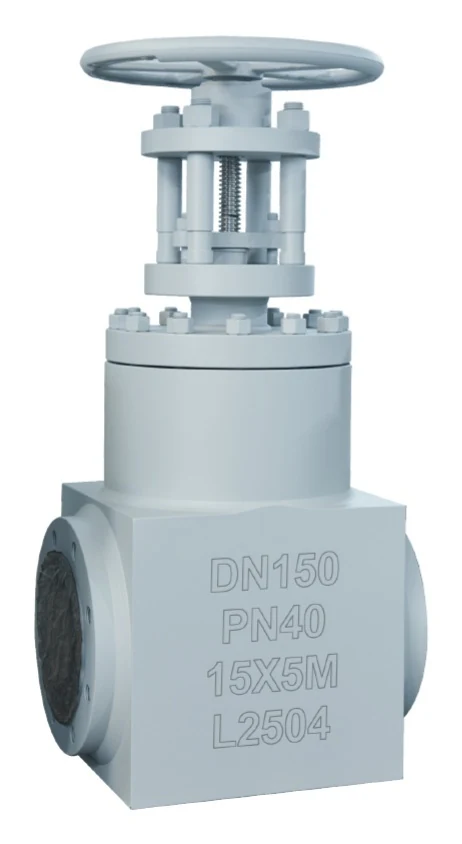
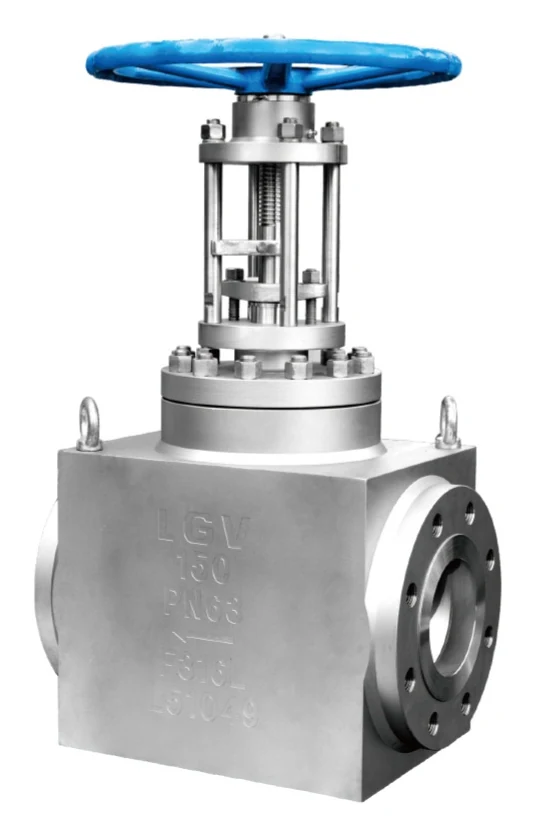
Manual pressure-seal gate valve images
The three images below appear under the manual-valve title on printed catalog page 107. They show different illustrated configurations, but they are not dimensioned engineering drawings and do not establish selectable DN/PN ranges, material grades or accessory packages.
Related valves
When a different gate valve may be needed
Manual versus powered operation is an operating-duty decision. The following links are separate catalog products with their own technical confirmation requirements; no pressure rating, material or end connection transfers from one entry to another.
Электроприводная задвижка из кованой стали для электростанций
A separate electrically operated power-plant gate-valve entry. Check it when remote operation or an automatic operating sequence is required, subject to its own datasheet.
Электроприводная задвижка высокого давления из кованой стали для электростанций
An electric-operated, pressure self-sealing power-plant gate-valve entry. Compare the bonnet concept and operator requirements, but obtain its own confirmed pressure-temperature and connection details.
Электроприводная задвижка из кованой стали по ГОСТ
A different catalog entry carrying a GOST designation. Review only if the project specification calls for that standard route; do not assume dimensional or performance interchangeability.
Common buying questions
Manual pressure-seal gate valve questions
These are the distinctions most likely to change a specification or delay a quotation.
Is a pressure-seal bonnet the same as leak-tight gate seating?
No. Pressure self-sealing describes the body-to-bonnet joint. Gate-to-seat shutoff and stem packing are separate sealing locations. Specify shell and seat leakage requirements for the exact valve.
When is manual operation preferable to electric actuation?
A manual valve is worth reviewing for accessible, infrequently operated isolation when the required handwheel effort and operating time are acceptable. For remote, automatic or time-critical operation, evaluate a powered valve instead.
Does the catalog prove a pressure rating, material grade or end connection?
No. The title identifies a manual, pressure self-sealing forged gate valve, but the catalog page does not provide a complete, approved datasheet. Photo markings and adjacent valve entries are not a verified offering range.
What information is essential for a meaningful quotation?
Supply the isolation duty, medium, size and end connection, operating and design pressure and temperature, differential pressure during operation, required seat shutoff, installation clearance, quantities and required standards or inspection records.
Запросить техническое коммерческое предложение
Request a quote for a manual pressure-seal forged gate valve
Refer to the catalog title and describe the isolation service. Where key details are not yet established, request a proposed datasheet and drawing for review before accepting a pressure class, materials or end connection.
- Required isolation function, fluid and open/close frequency
- DN/NPS, design/operating pressure, temperature and operating differential pressure
- End connection and requested body, bonnet, seat, packing and trim materials
- Manual effort limit, handwheel access, travel clearance and shutoff criterion
- Quantity, drawing, applicable design/test standards, inspection and material records