
Промышленная категория продукции
Ножевые задвижки для отсечения шлама и твёрдых включений
Изучите семь вариантов ножевых задвижек из каталога, включая исполнения с резьбовыми проушинами, большого диаметра, пневматические и электрические. Начните с твёрдых включений, направления герметизации и способа управления, затем перед заказом проверьте фактические условия по седлу, фланцам и давлению.
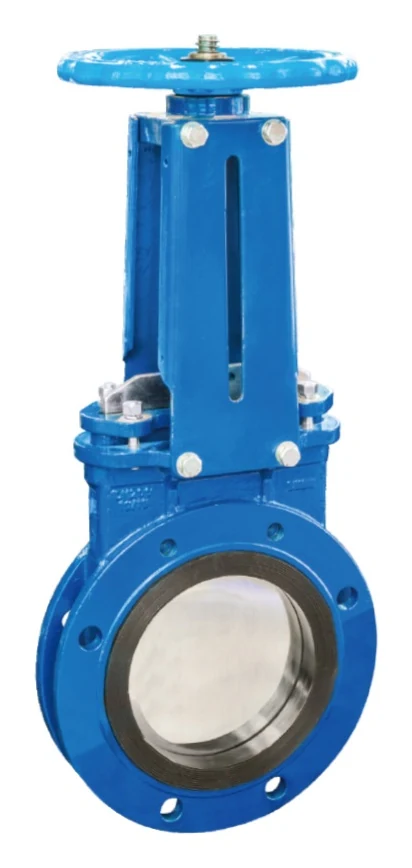
Изучить типы ножевых задвижек
Эти семь вариантов из каталога — разные отправные точки для закупки, а не взаимозаменяемые характеристики давления или герметизации. Выберите исполнение, чтобы увидеть его карточку продукции, или отправьте условия работы для проверки конфигурации.
Вариант с керамикой
В каталоге указана керамика, но не определены компоненты с керамической футеровкой или контактирующие с рабочей средой. Запросите спецификацию материалов и седла.
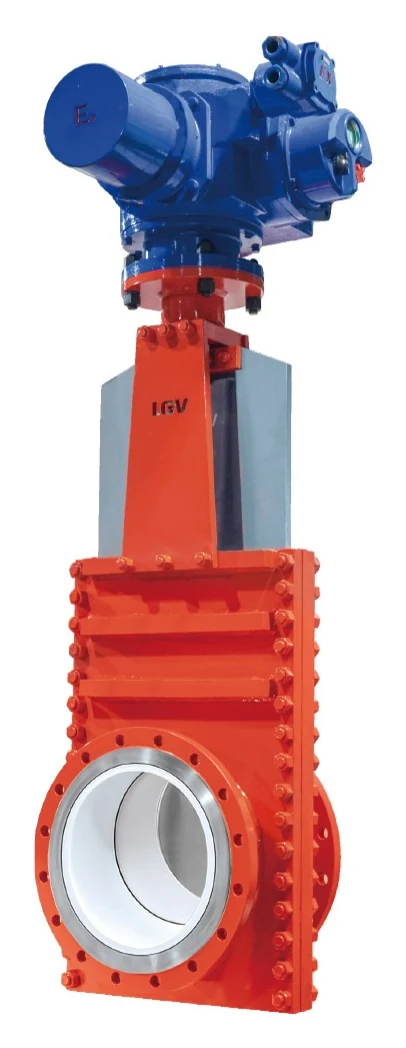
Электрическое исполнение с керамикой
Проверьте керамические компоненты, конструкцию седла, мощность привода и систему управления для предлагаемого исполнения.
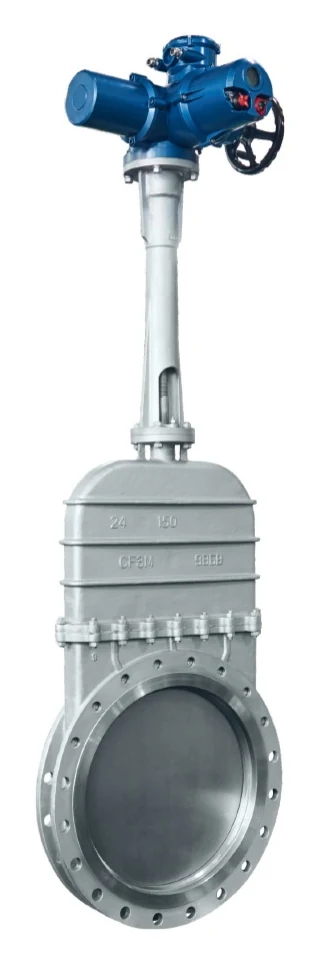
Электрический привод + нержавеющая сталь
Уточните точную марку нержавеющей стали, контактирующие с рабочей средой поверхности, конструкцию уплотнения и характеристики электропривода.
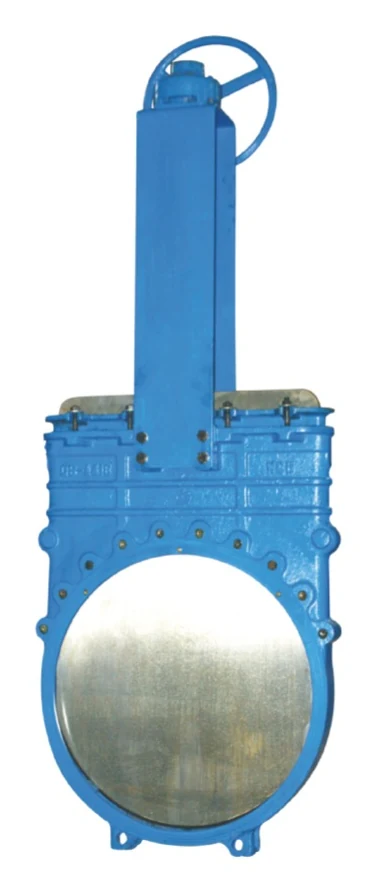
Крупногабаритное исполнение
Начните с требуемых DN/NPS, строительной длины, нагрузок на трубопровод и согласования чертежей; в обозначении не указано ограничение по размеру.
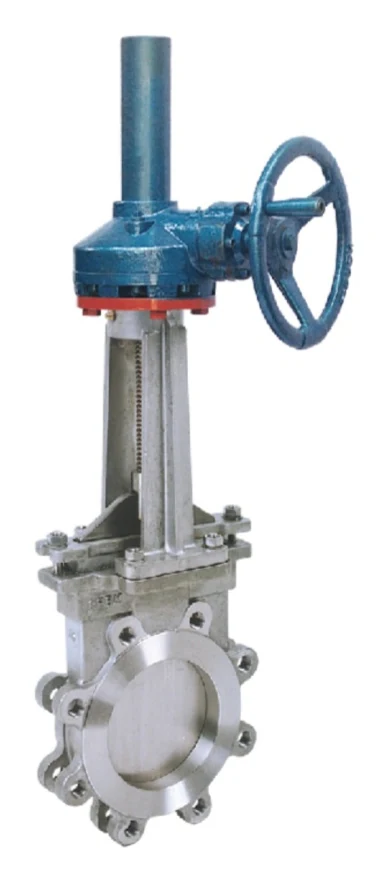
Соединение с резьбовыми проушинами
Перед выбором проверьте разбивку отверстий фланца, глубину ввинчивания болтов, схему прокладок и возможный режим работы на конце трубопровода.
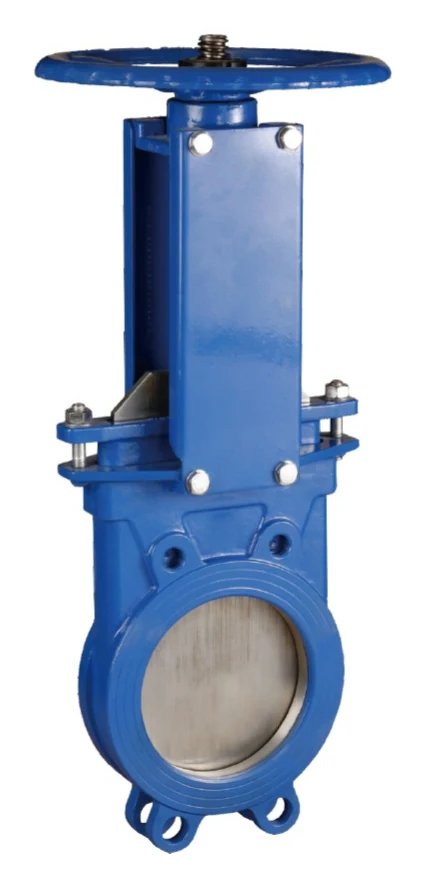
Новый тип из каталога
Название не отражает изменение конструкции. Запросите чертёж в разрезе, а также схему расположения корпуса, затвора и седла.
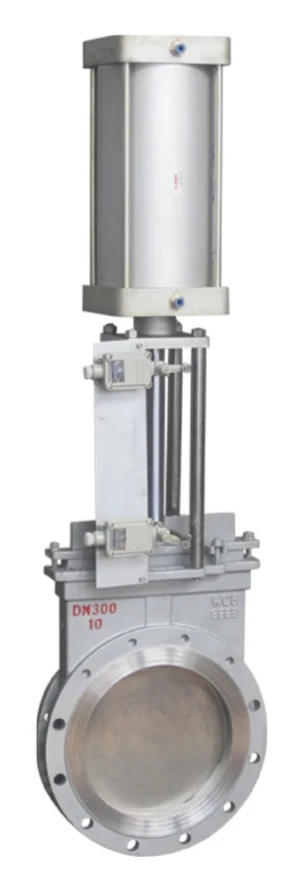
Пневматическое управление
Уточните параметры подачи воздуха на площадке, усилие привода, ход, количество рабочих циклов и требуемое поведение при потере воздуха.
Решения по выбору
Согласуйте седло, корпус и привод с условиями эксплуатации
Используйте рабочие режимы, а не изображение из каталога, для сужения выбора конструкции. Окончательное направление потока, класс герметичности и усилие привода должны быть указаны в предлагаемом чертеже и паспорте.
Может ли давление действовать с обеих сторон?
Если перепад давления может изменить направление, укажите двустороннее уплотнение и запросите его номинальный перепад давления в обоих направлениях. Не устанавливайте одностороннее седло в расчёте на одинаковую герметичность в обоих направлениях.
Что происходит с твёрдыми частицами у седла?
При крупных или осаждающихся твёрдых частицах сравните ход затвора, положение седла, зазор в полости, промывку и доступ для обслуживания. Обозначение «керамический» не подтверждает, что весь тракт проточной части является абразивостойким.
Как будет приводиться в действие затвор?
Choose manual operation where access and operating frequency permit it; consider pneumatic drive where suitable air and cycling are available, or electric drive where electrical power and control are specified. Verify required thrust, stroke and loss-of-power/air behavior for the exact valve.
Условия эксплуатации
Different solids require different valve details
The solids profile can be more important than the industry label. These are service questions to resolve, not claims that every pictured valve suits the listed process.
Mineral slurry and abrasive particles
Hardness, solids concentration and particle size affect gate and seat wear. Supply the normal and worst-case slurry duty, including whether material settles while the valve is closed.
Pulp stock and fibrous material
Fibers can bridge in cavities or around the seat. Describe stock consistency, fiber length or tendency to mat, cleaning practice and cycling frequency before selecting body and packing details.
Sludge, wastewater and ash handling
Sludge may settle or scale; ash can be abrasive and may be hot. Provide the actual medium, cleaning method and temperature rather than treating these as one interchangeable service.
Specification and procurement
Data that changes the valve selection
A drawing and pressure rating alone will not resolve a solids-handling application. The following information makes it possible to check the closure, actuator and piping interface together.
| Область решения | Данные от заказчика | Почему это важно |
|---|---|---|
| Solids profile | Particle size, hardness, concentration, fibers and settling | Frames cutting, packing and blockage risks |
| Hydraulic duty | Pressure, differential pressure, velocity and flow direction | Supports seat and actuation review |
| Cleaning | Flushing, purge, drain and maintenance practices | Affects body style and service access |
| Installation | Orientation, space, actuator support and removal envelope | Prevents gate and actuator access conflicts |
| Sealing duty | Required shutoff, pressure from each direction, vacuum or backflow cases | Determines whether the proposed seat and flow-direction rating are suitable |
| Mechanical fit | DN/NPS, flange drilling, face-to-face, bolt engagement and available stroke clearance | Distinguishes a physically installable valve from a matching nominal size |
| Automation | Available air or electrical supply, cycles, fail-position requirement and signals | Allows actuator sizing and control-scope review |
Further information
Related product and project information
If the service or connection is still uncertain, use these existing site sections to compare valve families and prepare the required documents.
Смотреть всю трубопроводную арматуру
Browse other isolation valve families when solids are absent or the shutoff duty changes.
Review industry applications
Review application context for mining, pulp processing and water systems; confirm the actual service separately.
Manufacturing information
See published manufacturing information. Request product-specific inspection and material documents with the quote.
Use technical resources
Use technical guides for design background; the offered datasheet still governs the purchased valve.
Технический запрос
Request a knife gate valve quotation
Tell VALMORA what the valve must isolate and how it will operate. Include the available process conditions, then ask for a configuration-specific datasheet, dimensional drawing and any required test or material records. You may mark unknown fields for review.
- Medium, composition and phase (such as wet slurry, sludge or dry solids); particle size, concentration, fibers, settling and cleaning method
- DN/NPS, operating/design pressure, maximum differential pressure in either direction, and minimum/normal/maximum operating temperature
- Mating flange standard, face-to-face requirements, installation orientation and access
- Required seat shutoff behavior and frequency of opening/closing
- Manual / pneumatic / electric drive, available utilities, controls and fail-action requirement
- Applicable design/test standards and editions, project specifications, quantity and destination; required drawings, material documents, inspection and test records