
Produkt mit PDF-Dokumentation
Elektrischer Absperrschieber mit Wasserdichtung
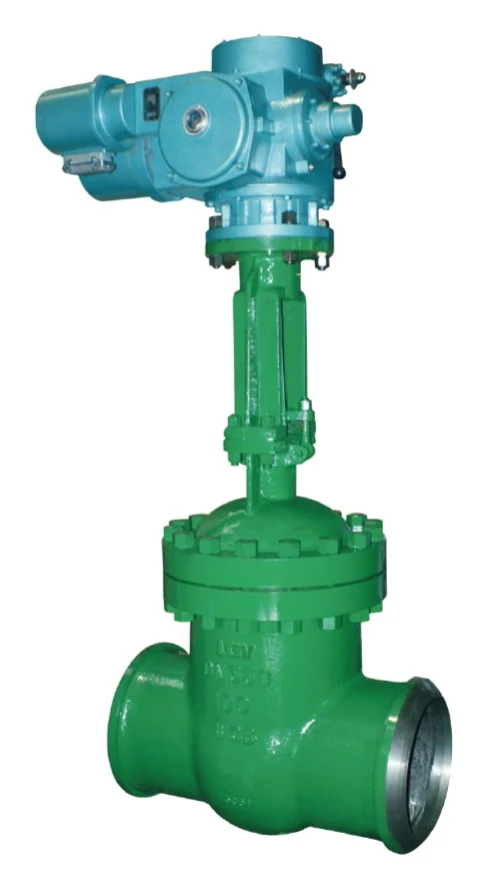
Der Elektrischer Absperrschieber mit Wasserdichtung ist in der Absperrschieber-Serie des Lianggong-Produktkatalogs aufgeführt. Für ein Projektangebot ist zu klären, ob der Prozess eine Wasserdichtungsanordnung erfordert und ob die erforderliche Dichtungsversorgung bereitgestellt werden kann. Das Rohrmedium, die Bedingungen des Dichtungswassers, die Versorgung des Stellantriebs, die Endanschlüsse und die Abnahmedokumente sind jeweils separat zu prüfen; keines davon wird durch dieses Foto festgelegt.
- Armaturenfamilie: Absperrschieber (Katalogbezeichnung)
- Betätigung: Elektrisch (Katalogbezeichnung)
- Wasserdichtung: Genannte Ausführung; Anordnung und Versorgung nicht bestätigt
Produktidentität
Was “Wasserdichtung” für die Auswahl bedeutet
Wasserdichtung bedeutet nicht, dass das Prozessmedium zwangsläufig Wasser ist. Der Katalogtitel bezeichnet eine Absperrschieber-Variante mit Wasserdichtung, erläutert jedoch weder deren interne Dichtungsmethode noch, ob eine externe Dichtungswasserversorgung erforderlich ist. Diese Angaben sind der angebotenen Schnittzeichnung zu entnehmen, bevor das Ventil oder seine Versorgungseinrichtungen spezifiziert werden.
Prozessmedium
Beschreiben Sie das durch die Hauptleitung strömende Medium einschließlich Phase, Temperatur, Verunreinigungen sowie etwaiger Vakuum- oder Druckumkehrungen. Der Titel legt keine zulässigen Prozessmedien fest.
Dichtungswasserversorgung
Falls die vorgeschlagene Dichtung Hilfswasser erfordert, muss der Lieferant die erforderliche Qualität, die verfügbaren Versorgungsbedingungen, die Anschlüsse sowie die Entwässerungs- oder Rückgewinnungsmethode angeben. Es ist nicht davon auszugehen, dass die Prozessleitung die Dichtung versorgt.
Verifizierte Identität
Katalogseite 76 (gedruckte Seite 142) bezeichnet das grüne Ventil mit elektrischem Stellantrieb als “Electric Water Seal Gate Valve”. Dies belegt Produktidentität und Erscheinungsbild, nicht die innere Konstruktion, Nennweite oder Druckstufe.
Katalogbelege
Katalogidentität und dokumentierte Grenzen
Die Quelle benennt einen Absperrschieber mit elektrischem Antrieb und Wasserabdichtungs-Ausführung. Das Katalogfoto ist kein Datenblatt: Sperrwasserweg, Prozessmedium, Nennweite, Druck-Temperatur-Grenzen, Werkstoffe, elektrische Kenndaten und Anschlussmaße bleiben der angebotenen Dokumentation vorbehalten.
| Feld | Im Katalog dokumentierter Wert | Nachweisstatus |
|---|---|---|
| Produktbezeichnung | Elektrischer Absperrschieber mit Wasserdichtung | VERIFIZIERT — Katalogtitel |
| Armaturenfamilie | Absperrschieber | VERIFIZIERT — Katalogabschnitt |
| Antriebsart | Elektrisch | VERIFIZIERT — Katalogtitel / Foto |
| Wasserabdichtungs-Ausführung | Wasserabdichtung benannt; Konstruktion und Dichtfunktion nicht spezifiziert | NUR TITEL — technische Bestätigung erforderlich |
| Prozessmedium | Im Katalogtitel nicht angegeben | UNBESTÄTIGT — Projekt- und Lieferantenprüfung |
| Quellenangabe | Katalogseite 76; gedruckte Seite 142 | VERIFIZIERT — geliefertes Katalogbild |
Zur technischen Freigabe: ein angebotenes Datenblatt, eine Schnittzeichnung sowie eine Maß- und Anschlusszeichnung anfordern. Maße, Wasserdichtheitsdruck oder Leistungsangaben nicht von einem anderen Hersteller oder aus dem Katalogfoto übernehmen.
Nachweisgrenze
Was muss vor der Angebotserstellung festgelegt werden?
Die Dichtungsanordnung und das elektrische Paket anhand eines definierten Betriebsfalls bestätigen. Wenn der Einsatz empfindlich auf Lufteintritt oder Vakuumverlust reagiert, diese Abnahmeanforderung festlegen; nicht allein aufgrund der Katalogbezeichnung eine vakuumdichte Ausführung annehmen.
Katalogbestätigt
- Absperrschieber-Familie: dokumentiert im Katalogabschnitt Absperrschieber
- Elektrischer Betrieb: dokumentiert durch die Produktbezeichnung und das zugehörige Katalogfoto
- Wasserdichtheits-Bezeichnung: im Titel genannt, jedoch Schaltkreis und Leistung nicht näher beschrieben
Von Lieferant und Käufer zu klären
- Process medium: composition, state, solids, corrosion exposure and cleaning requirements
- Seal-water provision: whether external water is required; source, quality, temperature and available pressure
- Seal circuit: interfaces, isolation, drainage/recovery and monitoring, if applicable to the offered design
- Valve duty: size, line pressure/temperature, differential pressure, vacuum and shutoff criteria
- Pressure-boundary / trim / packing materials and the governing design and test requirements
- Pipe ends, installation orientation, general arrangement and stem/actuator clearances
- Motor supply, control/feedback, power-loss response, torque/limit configuration and protection
- Approved drawings, inspection records, commissioning procedure and maintenance instructions
Technische Prüfung
Select the seal arrangement and electric drive together
Selection decision: where leakage to atmosphere or air ingress is a critical process risk, ask for an offered water-seal schematic, the required sealing-water conditions and the applicable acceptance test. If the necessary sealing-water supply cannot be maintained, do not approve a water-dependent offer until the supplier provides a technically suitable alternative. Where no water-seal function is required, compare conventional gate-valve options instead of assuming this design adds value.
Duty and isolation requirement
State the intended on/off duty, direction of differential pressure, operating cycles and required isolation or external-leakage limit. If sustained throttling is required, assess a valve designed for that function rather than assuming an isolation gate valve will regulate flow acceptably.
Pressure, temperature and vacuum
Provide normal and design line pressures and temperatures, maximum differential across the closed gate, start-up transients and any vacuum/air-ingress case. Request the offered valve pressure-temperature rating and a distinct sealing-water operating envelope, where relevant. A single catalog label does not define either.
Material and mating pipe ends
Match body, trim, seating and packing materials to the actual process fluid and to any sealing-water exposure. Confirm the valve end form, mating pipe dimensions, relevant end-connection specification, installation loads and approved dimensional drawing; visible end geometry is not enough for fabrication.
Actuator power and controls
Specify available voltage, phase and frequency, motor duty, required opening/closing time, local/remote control, open/closed feedback, enclosure environment and permitted operating frequency. Valve torque demand and the manufacturer’s limit-versus-torque seating instructions govern actuator setup. State the required response to power loss explicitly; do not assume electric actuation includes automatic fail-open or fail-closed travel.
Inspection and handover records
Ask for the final valve/actuator datasheets, approved sectional and general-arrangement drawings, wiring and terminal diagrams, applicable pressure/leakage test records, and any water-seal functional or tightness test relevant to the agreed design. Request material traceability and inspection certificates only to the scope required in the purchase specification.
Anwendungsgrenze
Plan seal-water integration, installation and maintenance
The plant must coordinate three independent interfaces: the process line, the sealing-water service (if required by the offered construction), and electrical power/control. Resolve their boundaries on approved drawings before pipe fabrication and control-system commissioning.
Seal-water source and monitoring
Ask the supplier to identify the seal-water inlet/outlet or drain, if fitted, plus required water condition, pressure and temperature, supply continuity, isolation and acceptable leakage or monitoring approach. A vacuum-sensitive application may need a defined response to loss of sealing utility; actual piping and control logic must be agreed, not inferred from the photo.
Control and loss-of-utility response
Confirm command signals, limit/torque protection, open/closed indication and the use of manual operation during a power outage. Decide in the project controls specification which alarms or interlocks—if any—are required when motor power or sealing-water supply is lost. No such interlocks are established by this catalog record.
Installation and service access
Approve valve orientation and piping-end details, overall height, actuator envelope, travel clearance, lifting/service access and electrical cable routing. Include access for packing inspection and any seal-water line maintenance. Use the final assembly and IOM documents for installation; the catalog photograph is not an installation drawing.
Visueller Nachweis
Verified catalog photograph
The photograph matches the Electric Water Seal Gate Valve entry on the supplied catalog page. It shows external appearance only: an approved section drawing is still needed to establish the sealing circuit, actual connections and dimensions.
Verwandte Produktrouten
Other gate-valve configurations
First decide whether the project needs the water-seal feature. These existing catalog links are comparison routes for other valve duties, sizes or operators—not evidence that the products share this valve’s sealing construction.
Großer elektrischer Absperrschieber
Compare when nominal bore and electric operation are the primary criteria; a water-seal arrangement is not implied.
ASME Großventil mit elektrischem Stellantrieb
Review a separately named ASME large-diameter electric category. The title is not proof of interchangeability, water sealing or a specific rating.
ASME-Absperrschieber für große Nennweiten
A large-diameter gate-valve alternative; verify the operator, end connections and sealing requirements independently.
Fragen von Einkäufern
Water-seal gate valve buyer questions
These are the points that should be settled on the offered design before a purchase order or installation drawing is approved.
Does “water seal” mean the pipeline fluid is water?
No. “Water Seal” is part of the catalog product designation; it does not identify the main process fluid. The process medium and any separate sealing-water utility must each be specified and checked against the offered design.
Which sealing-water details should the supplier provide?
Ask whether external sealing water is necessary and, if so, for its approved quality, supply pressure and temperature, connection points, drainage or recovery, required availability and leakage or monitoring method. Do not assign a value from another manufacturer’s model.
What information is needed to size the electric actuator?
Provide voltage, phase, frequency, control and feedback signals, duty and travel requirements, installation environment, expected differential pressure and power-loss response. The supplier must confirm actuator torque, travel stops and seating settings for the selected valve.
Which documents are needed for installation and maintenance?
Request the offered datasheet, sectional and end-connection drawings, general arrangement with actuator clearance, wiring diagram, relevant test records and commissioning and maintenance instructions, including seal-water connections if applicable.
Technische Anfrage
Request a quotation for Electric Water Seal Gate Valve
Reference the Electric Water Seal Gate Valve catalog entry and describe both the process-line service and the seal-water utility, if applicable. Send operating conditions and document requirements in the inquiry so the offered valve, drive, interfaces and maintenance scope can be checked before quotation.
- Process fluid, isolation duty, vacuum/leakage criteria and operating cycles
- Process pressure/temperature, differential, DN/NPS and pipe-end details
- Sealing-water source/quality/supply conditions and piping constraints, if applicable
- Electric power, control signals, feedback, power-loss response and site environment
- Quantity and requested drawings, tests, inspection and IOM documents