
مصفاة خطوط · تصميم محدد في الكتالوج
مصفاة شبكية سلة من الفولاذ المقاوم للصدأ
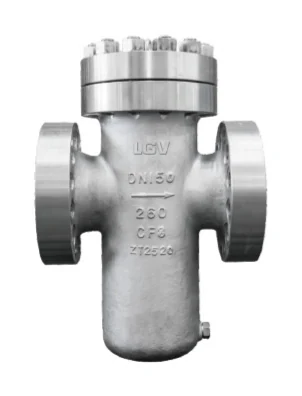
مصفاة السلة المصنوعة من الفولاذ المقاوم للصدأ هي جهاز غربلة في خطوط الأنابيب يحتفظ بالحطام الصلب داخل سلة أو عنصر شبكي. للحصول على تكوين قابل للشراء، يجب فحص حجم الفتحة، وحدود التدفق وانخفاض الضغط، وجدول المواد، ومساحة إزالة السلة معًا. يحدد الكتالوج هذا المنتج لكنه لا ينشر قيم التصميم هذه لهذا البند.
استخدم صورة الكتالوج كمرجع بصري—وليس كرسم بأبعاد أو دليل على درجة فولاذ مقاوم للصدأ معينة. اطلب ورقة بيانات معروضة ورسم ترتيب للخدمة المقصودة.
- وصف الكتالوج: مصفاة شبكية سلة من الفولاذ المقاوم للصدأ
- الوظيفة: غربلة ميكانيكية للحطام الصلب
- الفتحة، تصنيف الضغط، المواد والأبعاد: حددها لعرض السعر
ما الذي يتم تحديده
جسم المصفاة والسلة والشبكة قرارات منفصلة
يصنّف كتالوج المصدر العنصر المجمّع كمصفاة سلة شبكية من الفولاذ المقاوم للصدأ. وهو لا لا يحدد درجة أو تركيب كل مكوّن ملامس للسائل. لذلك ينبغي أن يفصل عرض السعر بين الجسم الحامل للضغط وعنصر التصفية القابل للإزالة وأي مانع تسرب للغطاء.
الجسم والغطاء
تحقق من درجات جسم المصفاة والغطاء، ومادة الحشية، وضغط/درجة حرارة التصميم، وتفاصيل التوصيل. لا يمكن لصورة خارجية إثبات تصنيف ضغط أو ترتيب إحكام.
السلة والشبكة
حدد عنصرًا قابلًا للإزالة، وفتحة الثقب أو الشبكة المطلوبة، وتركيب الدعامة، ومادة السلة. وجود “الفولاذ المقاوم للصدأ” في اسم المنتج وحده لا يثبت سبيكة السلة.
المستندات المطلوب الحصول عليها
اطلب رسم التجميع المعروض وتفاصيل السلة وقائمة الأجزاء/المواد. استخدم كتالوج المصدر لتحديد العنصر، لا لاستنتاج أبعاد لا يعرضها.
حقائق الكتالوج
ما يذكره الكتالوج فعليًا
الحقائق الخمس أدناه قابلة للتتبع إلى الملصق أو العنوان المطبوع. لا تُقدَّم في تلك الصفحة تصنيفات التشغيل ولا قائمة مواد دقيقة على مستوى الأجزاء.
| الحقل | معلومات الكتالوج | نطاق الأدلة |
|---|---|---|
| عائلة المنتج | مصفاة شبكية | اسم المنتج والفئة |
| ملصق التركيب | مصفاة شبكية سلة | اسم التصميم، وليس تفاصيل التركيب الكاملة |
| وصف المادة | فولاذ مقاوم للصدأ | الدرجة وتوزيع المكونات غير مذكورين |
| قسم الكتالوج | سلسلة المنتجات المتكاملة | عنوان القسم المطبوع |
| موقع المصدر | صفحة PDF 113 (الصفحة المطبوعة 215) | مرجع الكتالوج، وليس رسم طلب معتمد |
Not specified by this catalog entry: nominal size, pressure class, pressure–temperature limits, perforation or mesh construction, flow/Cv, pressure-drop curve, precise wetted material grades, cover sealing arrangement, connection dimensions and test records. These must come from the specific offer and supporting documents.
Construction boundary
Stainless steel is not a complete material specification
A stainless designation in a catalog heading does not prove 304, 316, 316L or any other grade, and it does not prove that the basket, screen, fasteners and seals match the housing material. Corrosion and allowable pressure also depend on the actual fluid, temperature and design.
Materials to list separately
- Pressure boundary: body, cover and connection material grades
- Inside the housing: basket or support plate, mesh/wire and any welds
- Sealing and hardware: cover gasket, fasteners and other wetted items
Limits to substantiate
- Offered pressure–temperature rating and any vacuum/transient cases
- Nominal size, end standard, face-to-face and maintenance envelope
- Basket differential-pressure strength and allowed cleaning trigger
- Material traceability, pressure testing and inspection records as required
- Project-specific compatibility and supplied configuration details
Basket and hydraulic selection
Choose an opening that protects equipment without choking flow
ابدأ من largest particle that downstream equipment can tolerate and the debris actually present—not with a mesh number from another installation. Smaller openings can retain finer solids but usually increase resistance and cleaning frequency. The basket design must also have enough effective open area and strength for clean and loaded operation.
Illustrative geometry, not a VALMORA product specification: a nominal 40-mesh square weave has 40 openings per inch, giving 25.4 ÷ 40 = 0.635 mm center-to-center pitch. If the wire diameter is 0.25 mm, the ideal clear opening is about 0.385 mm and its theoretical geometric open fraction is about 37%. A different wire diameter changes both values; basket supports, tolerances, particle shape and clogging further affect actual performance. Therefore “40 mesh” alone does not certify 385 µm retention or a pressure-drop result.
Particle retention
Define the solids type, shape, size distribution and maximum particle permitted downstream. Select an opening on that basis; a strainer is not automatically a fine or absolute-rated filter.
Mesh or perforated basket
For woven mesh, request mesh count, wire diameter and measured clear aperture. For perforated plate, request hole diameter, pitch/pattern and thickness. State the support structure and effective open area for the complete element.
Flow and pressure loss
Provide normal/maximum flow, density and viscosity at operating temperature, and the available clean-strainer pressure-drop budget. Request a clean-element curve or Cv/Kv for the actual offered assembly; do not extrapolate a competitor’s water curve to a viscous liquid.
Solids loading and cleaning
State expected solids concentration, peak debris events and desired service interval. Request the allowable dirty differential pressure and basket strength; set cleaning or inspection based on the design and observed rise in ΔP, not a universal guessed threshold.
Mechanical interfaces
Provide line size, mating end type, piping schedule/standard, pressure and temperature, corrosion exposure, and available installation space. Ask for certified interface dimensions, basket lift clearance and any drain/vent arrangement on the offered drawing.
Layout and maintenance
Check basket access before freezing the pipe layout
A basket that cannot be safely withdrawn becomes a maintenance problem even if the nominal line size fits. Use the offered drawing to check the actual flow arrow, body orientation, removable cover and basket lift path. Do not assume online cleaning, a duplex changeover, a bypass or a drain valve is included.
Orientation and flow direction
Confirm the permitted installation orientation against the supplied drawing. The appearance of a vertical collection chamber does not establish that every vertical or horizontal pipe arrangement is acceptable.
Cover and lifting clearance
Reserve room above/around the cover for fastener access, full basket extraction and safe handling of retained solids. Verify the cover opening and actual basket length rather than estimating clearance from the photo.
Isolation and safe cleaning
Define how the section is isolated, depressurized, drained and returned to service for basket cleaning. Request confirmation of any vent, drain or monitoring connections and of the allowable basket differential pressure.
Compare strainer designs
Other strainer options for a different duty
If the basket arrangement cannot meet the pipe layout or maintenance requirement, compare the following separately documented catalog identities. Their names do not establish interchangeable dimensions, openings or ratings. The Strainers category is the starting point for the wider range.
مصفاة شبكية من الفولاذ المقاوم للصدأ وفق GB
A different stainless steel strainer identity. Compare body geometry and cleaning access before choosing either arrangement; request its own screen and material data.
مصفاة شبكية من الفولاذ المطروق بنوع T بالتدفق المستقيم وفق ASME
Consider the straight-flow T-type layout if pipe geometry is the main constraint. Forged steel and ASME in the title do not establish this basket strainer’s properties.
مصفاة شبكية لخط أنابيب المياه
An application-named route for water piping. Check the particular water conditions, target debris size and documented connection/rating rather than treating the title as a guarantee.
Technical RFQ
Request a stainless steel basket strainer quotation
Share the operating duty and the basket specification you need. If the aperture or maximum allowable pressure loss is not yet known, identify the downstream equipment and the constraints so the proposed design can be evaluated. Request the actual basket drawing, pressure-drop basis and part-level material schedule with the quotation.
- Fluid, operating temperature, density/viscosity and corrosive constituents
- Normal/maximum flow, design/operating pressure and allowable clean/dirty ΔP
- Solid type, expected loading, maximum allowable particle and requested aperture
- Line size, end connections, pipe layout and basket lift/maintenance clearance
- Body, cover, basket, screen and seal materials or required compatibility
- Quantity plus drawings, tests, inspection and material-document requirements