
Шаровой кран из кованой стали / каталожная продукция
Трёхсоставной шаровой кран высокого давления из кованой стали
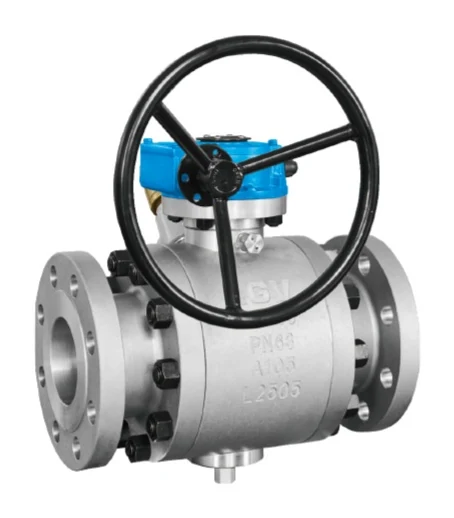
Для высокого давления для отсечного режима, в данном каталоге представлен трёхсоставной шаровой кран из кованой стали и показаны фланцевые примеры с редукторным управлением. Выбор зависит от предлагаемых пределов давления и температуры, конструкции седла, конструкции корпусного соединения и присоединений к трубопроводу— слова “высокое давление” не устанавливают числовой класс Class или PN.
- Трёхсоставной корпус из кованой стали — каталожная идентификация
- Обозначение высокого давления — предлагаемые PN/Class и пределы давления и температуры требуют подтверждения
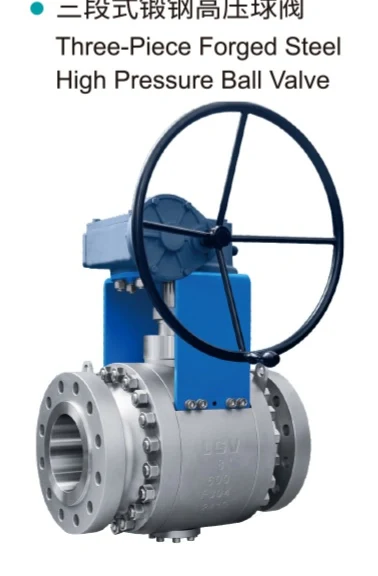
- Фланцевые присоединения и ручные редукторные приводы показаны в каталожных иллюстрациях
- Подтвердите седло, марку корпуса, опору шара и рабочие пределы по предлагаемому паспорту
Каталожная идентификация и исходные данные для запроса предложения
Что идентифицирует каталог — и что должно определять предложение
В исходном каталоге это указано как Трёхсоставной шаровой кран высокого давления из кованой стали в серии шаровых кранов. На иллюстрациях показаны изделия с фланцевыми концами и ручными редукторами (червячными). Иллюстрации каталога не содержат таблицы номиналов для конкретной конфигурации, размерного чертежа или подробной спецификации материалов; видимые маркировки на корпусе не должны использоваться как спецификация для коммерческого предложения. Используйте источник для идентификации продукта, а не для утверждения конфигурации.
| Поле для решения | Данные каталога | Требуется в предложении |
|---|---|---|
| Идентификация продукции | Трёхсоставной кованый шаровой кран высокого давления | Номер детали/модели и ревизия предлагаемого чертежа |
| Граница давления | “Высокое давление” — это обозначение в каталоге. Маркировка, видимая на иллюстрации, не является подтверждённым заказным номиналом PN/Class или графиком зависимости давления от температуры. | Номинальное давление в зависимости от температуры для корпуса, разъёма корпуса и уплотнений |
| Внутренние детали клапана | Тип опоры шара, проход и конструкция седла не указаны | Плавающий или опорный шар, полнопроходное/сокращённое проходное сечение, материалы седла/сальниковой набивки/прокладки |
| Материалы | “Кованая сталь” указана в названии каталога без марки ASTM/EN | Марки материалов корпуса/концевых элементов, шара, штока и деталей, контактирующих с рабочей средой |
| Изображённые концевые соединения и привод | На двух примерах каталога видны фланцевые концевые соединения и ручные редукторы | Стандарт/исполнение фланцев, строительная длина, крутящий момент и привод включены в коммерческое предложение |
| Расположение в источнике | Серия шаровых кранов; физическая страница 89 оригинального каталога PDF (печатные страницы 167–168) | Запросить паспорт и общий вид для конкретной конфигурации |
Граница спецификации: Не рассматривайте сфотографированный фланец, редукторный привод или обозначение «кованая сталь» как полную спецификацию комплектации. Класс давления, конструкция седла, требования к испытаниям и комплектация поставки указываются в паспорте предлагаемого изделия и утверждённом чертеже.
Давление и герметичность
Choose the pressure boundary and seat together
A valve can meet a stated body pressure class yet still be unsuitable because the selected seat, packing or body gasket is unsuitable, or because materials are incompatible with the medium. Evaluate design pressure and maximum differential pressure against the full temperature range, including credible transients.
Pressure–temperature limits
- Give design pressure, normal pressure, maximum differential pressure and minimum/maximum temperature; include thermal cycling or vacuum where relevant.
- Ask for the offered pressure–temperature chart and limits for the pressure-containing body, bolted body joints, seats, stem seals and gaskets.
- If trapped liquid could heat in a closed cavity, request the design’s cavity-pressure relief approach; do not assume self-relief.
Media, seats and shutoff
- State fluid composition, phase, solids, concentration, corrosion and erosion exposure, and cleaning media.
- Specify allowable seat leakage and the relevant test acceptance conditions. Seat material suitability depends on pressure, temperature and medium together.
- For frequent throttling or modulating duty, request a control-rated valve assessment; this standard on-off designation alone is not sufficient.
Construction and installation
What the three-piece body changes in practice
A sectional body can offer access to internal parts, but three-piece does not automatically mean swing-out, in-line repair or maintenance under pressure. Access, sealing joints and reassembly depend on the supplied construction and its installation/maintenance instructions.
Body joints and maintenance access
The body-to-end joints, bolting and gaskets form part of the pressure boundary. Before planning service in place, obtain the section drawing, bolting procedure, gasket kit scope and clearance requirements. Any disassembly requires an isolated, depressurized, drained and appropriately decontaminated system under an approved procedure.
Piping connection and fit
Both catalog illustrations show flanged ends, not an orderable flange specification. Provide DN/NPS, mating flange standard and facing, face-to-face length, bore requirement, gasket/bolt interface, piping loads and installation space. Confirm the actual end configuration on the proposed drawing.
Ball support and bore
The catalog label does not say whether the ball is floating or trunnion-supported. At higher differential pressure, operating torque and seat loading can influence that choice; line size alone does not settle it. State full-bore or reduced-bore requirements, pressure drop and any pigging need before accepting an offered design.
Gear operator, automation and cycling
The pictured handwheel gear units do not prove that every delivered valve includes a gearbox. Supply maximum differential pressure at operation, cycle frequency and required opening/closing time. For remote actuation, request valve torque data, actuator sizing, utility, control signal, fail action and area classification as applicable.
Documents that settle the decision
Request an offered datasheet, general arrangement and sectional drawing, detailed material list, stated design/test standards with editions, leakage acceptance criteria and the inspection/material records required by the purchase order. Do not assume fire-safe, anti-static, fugitive-emission or sour-service qualification without the applicable design and verification evidence.
Original catalog illustrations
Two catalog views of this three-piece high-pressure valve
Both images sit under the same English product label on the original catalog spread. They illustrate flanged ends and gear handwheels; differences in appearance are not proof of interchangeable dimensions, pressure ratings or supplied trim.
Nearby catalog options
When a different three-piece ball valve is the better inquiry
The linked records represent different catalog names—not automatically approved substitutes. Select the inquiry route from the service requirement, then request the datasheet for that exact record.
Трёхсоставной шаровой кран с неподвижным шаром из кованой стали для высоких температур и давлений
If elevated temperature and a supported-ball design are essential, compare this separately labeled high-temperature/high-pressure fixed-ball record. Verify its seat design and temperature-dependent pressure limit before selection.
Трёхсоставной шаровой кран с неподвижным шаром из кованой стали с металлическим седлом
If the specification calls for hard seating, assess this separately named hard-sealed fixed-ball record. Require leakage criteria, torque, sealing materials and wear limits for the actual duty.
Трёхсоставной кованый шаровой кран с фиксированным шаром с электроприводом
If the valve must be operated remotely, review the separate electric fixed-ball record. Verify the ball design and actuator torque, controls, fail action and available power for the proposed assembly.
Technical quotation
Request the three-piece forged-steel ball valve configuration
Reference this catalog product and describe the operating conditions—not just the size and “high pressure.” The inquiry can then be reviewed against a specific proposed valve, with its pressure–temperature limits, sectional drawing, seat system, testing scope and commercial terms.
- Duty, medium and phase, solids/corrosion risks, operating cycles and installation context
- Design and operating pressures, maximum differential pressure, min/max temperature and transient or vacuum cases
- DN/NPS, bore and connection/facing standard, face-to-face requirement and mating piping details
- Body/trim grade, seat and gasket preferences, leakage criteria and pressure-boundary design needs
- Gear/manual or powered actuator, torque/fail-action and utility or control requirements
- Quantity, required standards/editions, drawings, tests, certificates, inspection scope and delivery destination