
Protezione delle apparecchiature nelle condotte industriali
Filtri per condotte industriali
I filtri per condotte intercettano detriti come incrostazioni e particelle di saldatura prima che raggiungano pompe, valvole e altre apparecchiature. Partire dalla dimensione delle particelle che potrebbero causare danni, quindi verificare la resistenza al flusso, il carico di solidi e lo spazio necessario per la pulizia della rete.
Confrontare le cinque voci di catalogo riportate di seguito. Le aperture della rete, i limiti di pressione-temperatura e le dimensioni dipendono dalla configurazione esatta offerta.
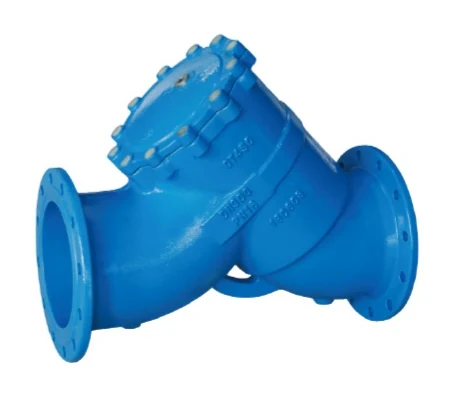
Esplora i cinque filtri a catalogo
Sfoglia secondo i nomi di catalogo del fornitore riportati di seguito. Aprire qualsiasi record per richiedere un disegno di configurazione e i dettagli della rete e dei collegamenti necessari per il vostro servizio.

Tipo T a flusso diritto
Confermare la geometria del corpo e della rete dal disegno.Visualizza prodotto →
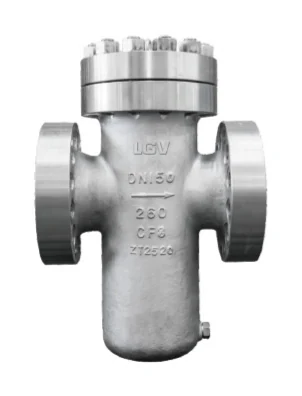
Basket-style design
Check basket removal space and debris capacity.Visualizza prodotto →
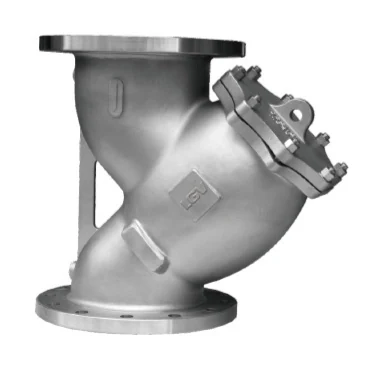
Stainless steel catalog entry
Ask which GB specification, if any, applies.Visualizza prodotto →
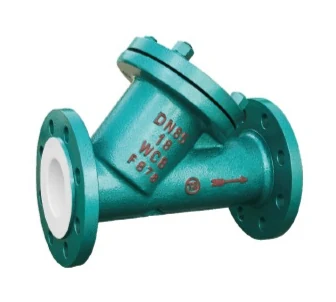
Configurazione da confermare
Request the construction and lining details.Visualizza prodotto →
Water-pipeline design
Review water quality, flow and screen access.Visualizza prodotto →
Choose by operating duty
Y-pattern, basket or straight-flow T-type?
A finer screen retains smaller debris, but can also increase pressure loss and cleaning frequency. Specify the largest opening that still protects the downstream restriction or equipment, then verify the offered screen area and allowable loss at the required flow. A catalog name alone cannot establish either value.
Y-pattern for a compact line
For a relatively light debris load and limited space, a Y-pattern is a starting point. Check the actual body orientation, screen removal clearance and blowdown access; do not assume any generically named catalog entry is Y-pattern without its drawing.
Basket for debris collection
For a liquid line with more solids to collect, evaluate a basket design with serviceable element access. If the line must keep flowing during cleaning, specify an engineered duplex or bypass arrangement; a single removable basket does not provide uninterrupted maintenance.
T-type where geometry dictates
Consider the cataloged straight-flow T-type where piping geometry or the project specification calls for it. Confirm face-to-face dimensions, direction of flow, screen withdrawal and clean/loaded pressure loss for the selected unit.
Flow and maintenance
What determines the correct screen and body size?
Nominal pipe size does not establish strainer capacity. Compare vendor pressure-loss data for the actual screen and body at the minimum, normal and maximum flow. As debris accumulates, differential pressure rises; set a cleaning trigger that stays within the equipment and system limits.
| Decisione | RFQ input | Conseguenza sulla selezione |
|---|---|---|
| Retention | Debris type, expected load and smallest harmful particle | Sets the required opening; ask for a screen drawing or opening specification, not mesh count alone. |
| Hydraulics | Fluid, viscosity, density, flow range and allowed clean/dirty pressure loss | Checks actual flow capacity, pump margin and the acceptable differential-pressure limit. |
| Maintenance | Cleaning interval, isolation or bypass plan, drain/disposal and spare screen needs | Shows whether operation can stop for safe screen removal or needs a separate service arrangement. |
| Installation | Pipe orientation, connection, face-to-face, flow arrow and cover withdrawal clearance | Prevents a strainer being specified where the screen cannot be safely removed or serviced. |
Where protection matters
Match the strainer to the protected equipment
The same screen is not automatically suitable upstream of a pump, a small control-valve passage and an open water line. Identify the vulnerable component first; then check its allowable debris size and pressure-loss margin.
Pump suction and equipment inlets
An inlet strainer adds suction-side loss. Require the worst-case clean and loaded pressure drop to be included in the pump NPSH-available review, with the pump maker’s required margin; if the margin cannot be shown, hold the selection rather than simply choosing a finer screen.
Control valves and small passages
Select retention for the passages and seals at risk, and verify that differential pressure remains acceptable as debris collects. For water-network pressure or flow control, see the separate Valvole di regolazione idrauliche category; those devices regulate flow or pressure and are not strainer subproducts.
Startup debris versus steady service
Weld scale and construction debris may cause a short-term loading peak after commissioning. Identify whether the strainer is temporary or permanent, plan inspection after initial operation and separately define the normal solids load.
Related product and project routes
Continue from the correct product or project page
A strainer catches debris; it does not regulate pressure, stop reverse flow or replace a downstream control valve. Use the relevant page for each separate function.
All valve categories
Return to the complete industrial valve directory.
Water and other applications
Check installation and operating context for the project.
Manufacturing overview
Review published company information; request product-specific inspection records separately.
Technical resources
Use additional guidance for specifying surrounding equipment.
Richiesta tecnica
Request a strainer configuration review
Send your piping and debris conditions with a preferred catalog entry, if known. Request the offered screen opening, clean-flow pressure-loss data, allowable loaded differential pressure, material and connection drawing, and maintenance clearance. Unknown details can be identified for technical review.
- Protected equipment and harmful debris size (or required retention)
- Medium, solids type/loading and any corrosive or abrasive constituents
- Minimum, normal and maximum flow with units
- Design/operating pressure and temperature range
- Allowable clean and loaded pressure loss; pump suction margin if applicable
- Line size, connection and orientation; screen withdrawal space
- Cleaning shutdown, bypass/duplex requirement and drainage plan
- Quantity, project drawings, inspection and documentation requests