
Tubazioni di bordo · approvvigionamento valvole marine
Valvole marine per impianti di tubazioni di bordo
VALMORA supporta l'approvvigionamento di valvole per il raffreddamento ad acqua di mare di bordo, zavorra e sentina, servizi di macchina e altre funzioni di tubazioni specificate. Partire dal sistema della nave e dalla funzione della valvola, quindi abbinare la valvola proposta al suo fluido, installazione, funzionamento e requisiti documentali di classe/bandiera.
Una richiesta marina può essere esaminata per la fornitura, ma non si implica alcuna approvazione di classe, prestazione antincendio o idoneità all'acqua di mare per un articolo di catalogo non verificato.
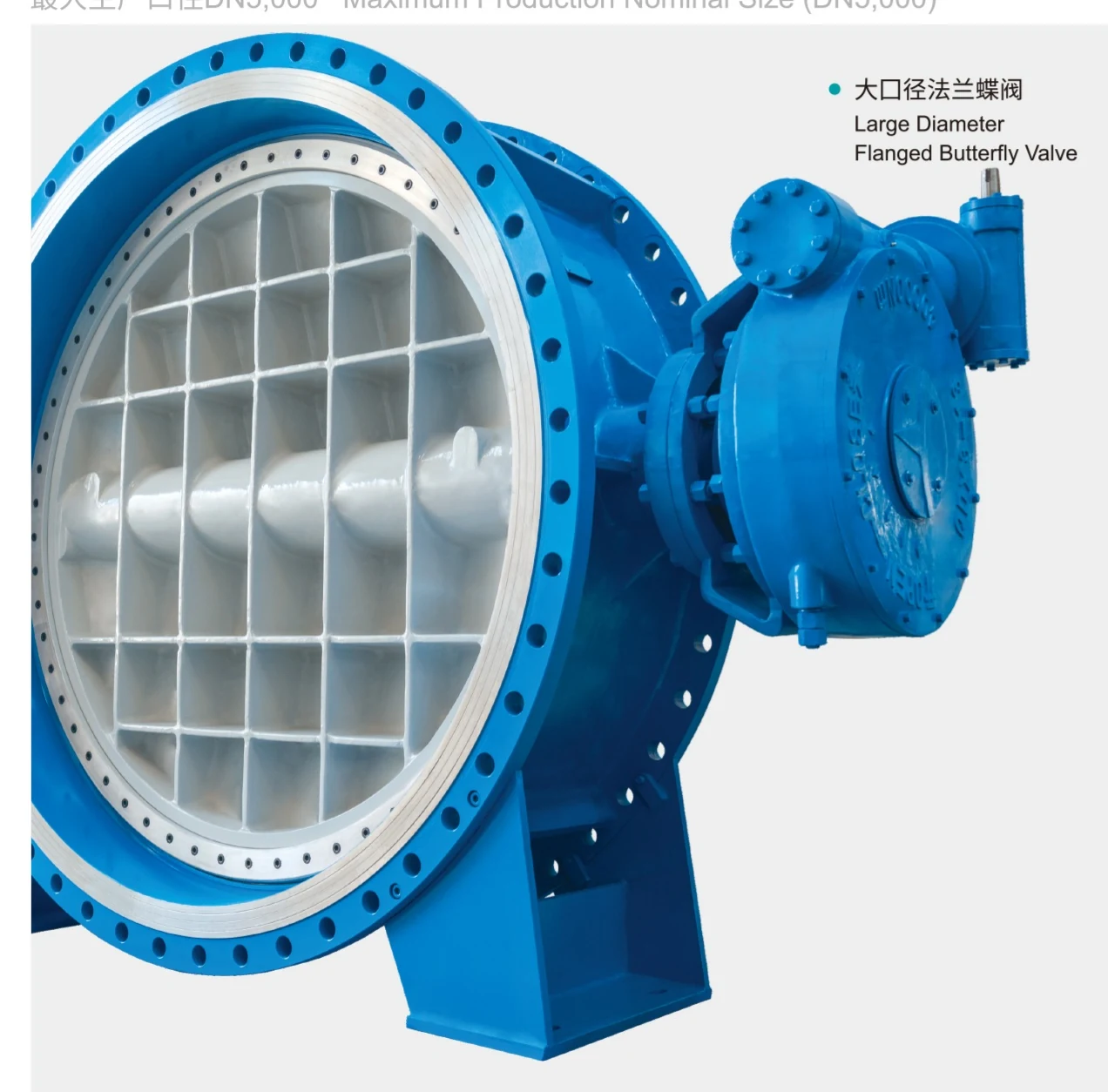
Riferimento catalogo: valvola a farfalla flangiata di grande diametro (catalogo di origine, PDF fisico p. 94). L'immagine non stabilisce una classificazione o approvazione marina.
L'immagine di sfondo marina è un'illustrazione industriale generata con AI, non una nave, un'installazione o un progetto di un cliente VALMORA.
Partire dal sistema di bordo
Quale funzione di bordo serve la valvola?
Una mandata di pompa di zavorra, un collettore di raffreddamento ad acqua di mare e una linea di isolamento del combustibile possono condividere un diametro nominale ma richiedere comportamenti di chiusura, materiali e documenti di accettazione diversi. Partire dalla funzione effettiva del P&ID, non dalla parola “marina”, per la selezione.
Raffreddamento e prese ad acqua di mare
For cooler branches and seawater lines, assess internal chloride exposure, fouling, flow velocity and external salt spray separately. Butterfly valves can be an isolation starting point; seawater-contact materials, liner/stem sealing and any sea-inlet requirements need a configuration-specific review.
Ballast, bilge & pump lines
Large-line isolation and reverse-flow prevention are different duties. Review butterfly or gate valves for isolation and check valves for nonreturn, then check pump transients, installation orientation, debris and any bilge/ballast safety or remote-control requirements.
Machinery utilities & critical lines
Freshwater and machinery utilities may need isolation or throttling. Fuel, fire-main, tank, hazardous cargo and emergency-shutdown locations demand a separate review of the ship’s rules, fire/remote-closing functions and product evidence; a general industrial valve should not be assumed compliant.
For land-based distribution or municipal water supply, see Acqua e municipale. This page addresses shipboard piping, not municipal networks or offshore production facilities.
Service envelope · application inputs
Specify both the fluid service and the shipboard location
A valve body exposed to salty air may not have seawater inside it; the reverse is also possible. Record wetted and external exposures independently, plus normal, design and transient conditions. These inputs guide a quote; they do not define a published VALMORA marine pressure or corrosion rating.
| Input to supply | What must be specified | Cosa cambia nella selezione |
|---|---|---|
| Function and line | Valve tag, shipboard system, isolation / nonreturn / regulation, P&ID and consequence of failure. | Separates the valve family and required closure behavior. |
| Media and corrosion | Actual fluid, seawater contact, salinity, solids, treatment chemicals, external spray/splash, humidity and galvanic interfaces. | Material, seat, coating, stem sealing and maintenance choices are service-dependent. |
| Pressure and hydraulics | Normal/design pressure and temperature, differential pressure, flow or velocity, vacuum and pump start/stop transients where applicable. | Changes pressure boundary, Cv/Kv review, actuation and check-valve dynamics. |
| Fit and operation | Pipe DN/NPS, flange drilling/face-to-face, location, orientation, access, manual or remote actuation and fail action; vibration or dynamic loads at the actual installation location where specified. | A nominal size or catalog photo does not guarantee installation fit or emergency function. Specified vibration or dynamic loads can change valve support, actuator/accessory mounting and inspection needs. |
| Acceptance basis | Ship type, classification society, flag, owner/yard specification and edition, inspection/test and record list. | Defines which exact approvals, drawings, certificates and survey/witness steps must be agreed. |
Browse the relevant valve category
Select the valve family by function—not by ship type
These are existing VALMORA product-category routes, not a list of marine-approved models. Request the offered configuration and acceptance evidence for each shipboard system.
Valvole a farfalla
Compact quarter-turn isolation for water lines when seat, corrosion exposure, pressure drop, connection pattern and operator are acceptable.
Valvole di ritegno
Nonreturn on pumping lines. Select using installation direction, reverse-flow conditions and possible slam or surge—not the name alone.
Valvole a saracinesca
Full-open isolation where low obstruction and operating space are priorities; normally not a throttling choice.
Valvole a globo
Manual throttling or regulation where flow resistance is acceptable and trim/flow data suit the duty.
Valvole a sfera
Quarter-turn shutoff for suitable utility duties; do not infer fuel fire-safety, remote closure or class acceptance.
Filtri
Install the strainer upstream of the equipment being protected so it captures debris before the flow reaches downstream pumps, heat exchangers or control valves. Specify screen opening, allowable clean/dirty pressure loss and cleaning access.
Quick technical routing
When does the first valve choice need to change?
The first choice is a starting family, not a model approval. Change course when closure behavior, space, pressure loss, system criticality or required documentation disagrees with that family.
| Shipboard task | First family to examine | Switch, separate or escalate when |
|---|---|---|
| Seawater cooling isolation | Butterfly valve for a suitably specified water-line isolation duty. | Seawater-wetted trim, elastomer/liner integrity, stem sealing, fouling, flange pattern or hull-connected location makes a general catalog valve unsuitable. |
| Pump discharge nonreturn | Check valve with documented orientation and closing characteristics. | Reversal or pump-stop transients cause slam or surge; check selection is not a substitute for an independently required isolating valve. |
| Full-open utility isolation | Gate valve where headroom, infrequent operation and low full-open resistance matter. | Frequent operation, tight space or throttling duty favors further review of butterfly, ball or globe alternatives. |
| Manual flow adjustment | Globe valve where the required regulation and pressure drop are acceptable. | A gate valve used partly open risks poor control and damage; use actual flow/ΔP data rather than treating valve size as control capacity. |
| Fuel, fire-main or cargo safety function | No default general-purpose valve: route to the defined safety function and acceptance package. | Fire protection, emergency remote closure, fail state, watertight integrity, hazardous media or survey obligations require evidence tied to the offered item and location. |
Next: Use the category links above to identify construction options, then send the valve schedule with ship system and rule requirements. For valve selection in ordinary land-based water service, use the dedicated Water & Municipal page.
Classification, flag and owner requirements
Ask for approval evidence for the actual valve and installation
Marine acceptance depends on the vessel, piping system, installation location and governing class/flag/yard documents. DNV describes type approval and delivery-specific product certification as different routes; neither can be inferred from a catalog, a valve family name or VALMORA’s confirmed ability to supply marine inquiries. For any proposed valve, identify the rule edition and the exact design, materials, tests, drawings and certificates required before quotation acceptance. For project rule applicability, consult the official ABS Rules for Building and Classing Marine Vessels and verify the adopted edition and relevant system provisions; this rules reference is not a VALMORA approval or product certificate.
| Approval item | Who defines or provides it | How to review it |
|---|---|---|
| Shipboard duty and rules | Owner/yard/EPC: vessel class, flag, piping system, location, specifications and edition. | Determine whether type approval, item certification, survey/witnessing or additional safety functions apply. |
| Offered valve technical basis | VALMORA quotation: exact valve design, size, pressure-temperature limits, wetted materials, ends, seat and actuation. | Require drawings and product-specific statements; generic standards references cannot establish compliance. |
| Acceptance records | Buyer specifies needed documents; supplier confirms what is available for that offered product. | Check certificate holder, scope, revision/validity, material traceability and test/witness responsibilities. |
| Ballast treatment interface | System designer identifies BWMS and piping interfaces separately. | IMO BWMS system approval does not itself certify an unrelated isolation or check valve. |
The IMO Ballast Water Management Convention concerns ship ballast-water management and the approval of ballast water management systems. Do not treat that system-level approval as an approval certificate for an individual isolation/check valve. In fuel, fire and other safety-critical circuits, confirm the additional ship-specific obligations before selecting a general industrial valve.
Catalog identity vs. marine acceptance
What the catalog can show—and what a shipyard still needs
The source catalog contains a large-diameter flanged butterfly valve illustration (physical p. 94) and a quick-closing bleed check valve illustration (physical p. 107). These identify product concepts for inquiry routing; they are not evidence that the pictured configurations are suitable or certified for any shipboard system.
Supported marine supply scope
VALMORA can discuss marine valve supply requirements and route enquiries to relevant product families. That current business capability is separate from approval of any particular valve.
Documents to agree for the quote
Ask for a specific offered model/configuration, drawing, wetted-material record, design conditions, test and inspection scope, and any class/flag documents required by the purchase specification. Record unavailable evidence as an exception.
Shipyard and designer decisions
The vessel designer and responsible approval parties determine the shipboard system function, safety and survey basis. Supplier materials or a class-rule summary are not a substitute for the required design review.
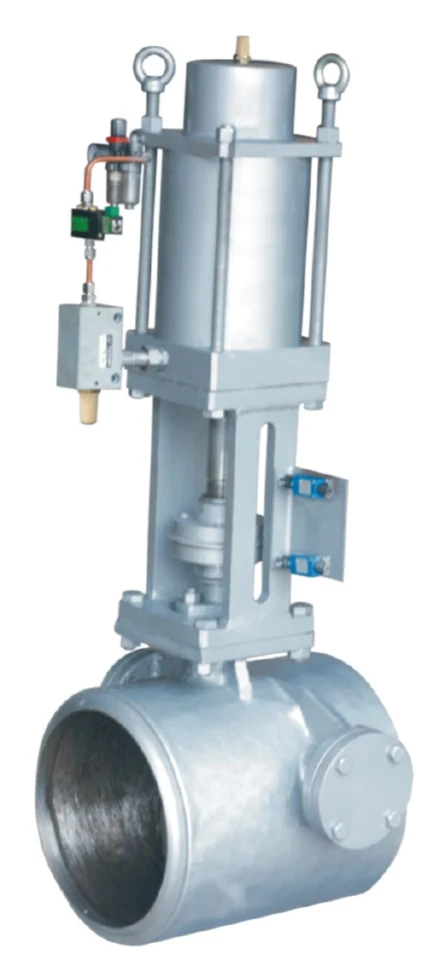
Supplier catalog p. 107: quick-closing bleed check valve illustration. No closing-time performance or shipboard approval is asserted for a VALMORA offer.
Shipyard quotation and inspection package
Agree the marine valve document package before ordering
A comparable marine offer identifies exactly which documents refer to the selected valve and which obligations belong to the shipyard or system integrator. Ask for a document register with revision and status (included, to be supplied, pending approval, or unavailable); do not treat a supplier promise as a certificate already issued.
| Document / check | Minimum requirement | Responsibility to resolve |
|---|---|---|
| Valve schedule & drawing | Match tag, system, flow direction, connection drilling, face-to-face, clearances and actuation. | Shipyard/EPC provides design basis; supplier submits quoted arrangement. |
| Materials & corrosion basis | Identify wetted and exterior materials, lining/coating, sacrificial interfaces if specified, preservation and traceability requirements. | Owner sets exposure criteria; supplier confirms actual configuration and available records. |
| Factory tests and records | Specify pressure/seat tests, functional/actuation checks, reporting and inspector witness points as required. | Supplier states test scope and records; purchaser arranges required witnessing/survey. |
| Class/flag and on-board acceptance | List applicable certificate scope, approvals, survey and installed-system tests separately. | Class/flag/survey authorities and shipyard determine acceptance; supplier confirms obtainable item evidence. |
Related VALMORA sections
Continue from the marine duty to product evidence
Return to the industry directory for other environments, or use manufacturing, quality and resources pages as information routes. Those pages are not certificates for the valve you order.
All industries
Browse shipboard and non-marine application pages without merging their service requirements.
Produzione
Read published manufacturing information; verify which work and records apply to your proposed valve.
Controllo qualità
Find quality-process context and define the inspection records needed for the offered configuration.
Technical Resources
Browse general technical explanations; use the product owner for the current quoted configuration.
Marine valve technical inquiry
Send the shipboard valve schedule for a scoped quotation
Share the available P&ID, valve tags, service conditions and required class/flag documents. VALMORA can review the supply inquiry and flag missing product evidence. Unknown fields should be identified, not filled with assumed ratings or approvals.
- Vessel type, shipboard system, P&ID and valve tag(s)
- Isolation, nonreturn or regulation duty; required failure response
- Fluid, seawater contact, solids, treatment chemicals and external exposure
- Design/normal pressure and temperature, differential pressure and transients
- Line size, flange/end standard, face-to-face, orientation and access
- Manual/remote operator, control power, indication and fail action
- Class society, flag, yard/owner specification and governing editions
- Drawings, testing, certification, traceability, witnessing and open exceptions