
Produkt mit PDF-Dokumentation
Absperrschieber aus Edelstahl nach GB
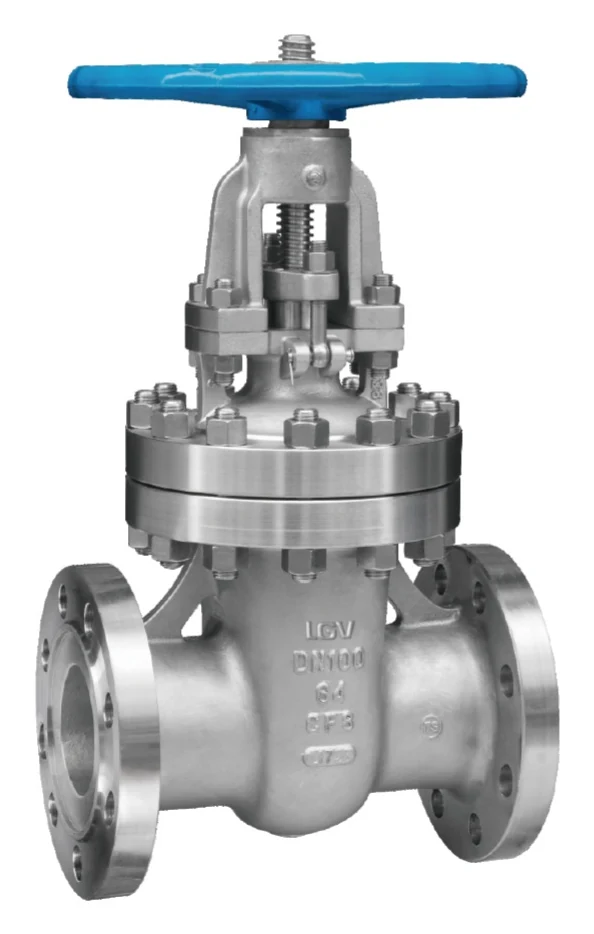
Absperrschieber aus Edelstahl nach GB ist ein im Katalog gelisteter Absperrschieber zur projektbezogenen Prüfung der Auf-/Zu-Absperrung. Für korrosive Medien ist die Bezeichnung allein keine Materialspezifikation: Medium, Betriebstemperatur, Gehäusewerkstoff, medienberührte Innenteile und Dichtungswerkstoffe müssen abgestimmt sein, bevor ein Angebot angenommen werden kann. ‘GB’ ist eine Katalogbezeichnung und kein Nachweis der Konformität mit einer bestimmten GB/GB-T-Norm oder Ausgabe.
- Katalogprodukt: Absperrschieber aus Edelstahl nach GB
- Materialangabe: Edelstahl — genaue Werkstoffgüten nicht bestätigt
- GB-Bezeichnung: anzugebende Normen und Ausgaben
Produktidentität
Armatur vor der Werkstoffauswahl identifizieren
Der Katalog bestätigt die Produktbezeichnung und ihre Einordnung in die Baureihe Absperrschieber. Diese Seite ist der Ausgangspunkt für die Beschaffung, kein freigegebenes Datenblatt. Ein Angebot sollte den vorgesehenen Druck tragenden Wandaufbau, den Werkstoffplan der medienberührten Teile, die Anschlussmaße und die anzuwendenden Prüfanforderungen benennen.
Einsatzfall
Baureihe Absperrschieber. Ausgehen von einer Anforderung zur Auf-/Zu-Absperrung; wenn der Prozess eine regelmäßige Regelung bei teilweise geöffnetem Durchfluss erfordert, stattdessen eine für Drosselbetrieb ausgelegte Armatur prüfen.
Normenidentifikation
‘GB’ erscheint in der Katalogbezeichnung. Für die angebotene Armatur die genauen Normnummern und Ausgaben für Auslegung, Druck-Temperatur, Baulänge, Anschluss und Prüfung anfragen; nicht davon ausgehen, dass eine GB-Bezeichnung alle Anforderungen abdeckt.
Verifiziertes Foto und Quelle
Katalogseite 75 (gedruckte Seite 139), drittes Produkt von links. Das zugeordnete Foto identifiziert diesen Eintrag, belegt jedoch keine auftragsspezifische Werkstoffgüte, Druckstufe oder Abmessungen.
Katalogbelege
Katalogidentität und Spezifikationsstatus
Der Katalog legt nur den Produkttitel, die Absperrschieber-Baureihe, die Werkstoffbezeichnung Edelstahl und die GB-Kennzeichnung fest. Genaue Werkstoffgüten, Nennweite, Druck-Temperatur-Grenzen und Konstruktionsdetails wurden für das angebotene Produkt nicht verifiziert.
| Feld | Im Katalog dokumentierter Wert | Nachweisstatus |
|---|---|---|
| Ventiltyp | Absperrschieber | VERIFIZIERT — PDF-Katalogetikett |
| Werkstoffangabe | Edelstahl | VERIFIZIERT — PDF-Katalogetikett |
| Standardbezeichnung | GB | VERIFIZIERT — PDF-Katalogetikett |
| Katalog-Quellserie | Absperrschieber | VERIFIZIERT — PDF-Katalogabschnitt |
| Katalog-Quellseite | PDF-Seite 75 | VERIFIZIERT — wiederhergestellte PDF-Zuordnung |
Für die Beschaffung: Die Tabelle ist als Identifikationsnachweis zu behandeln, nicht als technische Spezifikation. Vor der Auftragsfreigabe sind ein konfigurationsspezifisches Datenblatt, eine Stückliste und eine freigegebene Maß-/Anschlusszeichnung anzufordern.
Nachweisgrenze
Die Bezeichnung Edelstahl definiert nicht die medienberührten Teile
Eine Gehäuseausführung aus Edelstahl belegt nicht, dass Gehäuseoberteil, Keil, Sitzringe, Spindel, Rücksitz, Befestigungselemente, Packung und Dichtungen aus demselben Werkstoff bestehen oder dieselbe Korrosionsbeständigkeit aufweisen. Bei einem potenziell korrosiven Medium ist eine bauteilbezogene Werkstoffliste mit den tatsächlich exponierten Oberflächen und Betriebsbedingungen abzugleichen.
Was dokumentiert ist
- Produktfamilie: Absperrschieber für eine Auswahlprüfung als Absperrventil
- Katalog-Werkstoffbezeichnung: Edelstahl — keine bestimmte Güte angegeben
- Katalog-Präfix: GB — keine genaue GB/GB-T-Klausel oder Ausgabe bestätigt
Was das angebotene Ventil ausweisen muss
- Gehäuse und Gehäuseoberteil: separate Werkstoffgüten und Druckwandauslegung
- Keil- und Sitzflächen: Grundwerkstoffe, Sitzkonstruktion und etwaige Auflagen
- Spindel, Rücksitz und weitere benetzte Innenteile: Werkstoffgüten und Exposition
- Packung, Gehäuse-Oberteil-Dichtung und Dichtungen: chemische und thermische Verträglichkeit
- Befestigungselemente und mögliche Kontakte unterschiedlicher Metalle: Umgebungseinwirkung
- Fluidchemie: Konzentration, pH-Wert, Chloride, Oxidationsmittel und Feststoffe
- Temperatur, stagnierende Bedingungen, Reinigungszyklen und mögliche Ablagerungen
- Nennweite, Druck-Temperatur-Bemessung und Differenzdruckbeanspruchung
- Anschlussnorm, Dichtfläche, Baulänge und Einbauraum
- Werkstoffrückverfolgbarkeit, Druck-/Sitzprüfungen, Inspektion und geforderte Aufzeichnungen
Technische Prüfung
Korrosionsbeanspruchung, Anschlüsse und Inspektionsumfang angeben
Die Auswahl beginnt mit dem Fluid, nicht mit dem abgebildeten Gussteil. Eine prüfbare Anfrage enthält die folgenden Angaben, damit der Lieferant die tatsächlich angebotenen Werkstoffe, Schnittstellen und Abnahmedokumente benennen kann.
Absperrung und Betrieb
Specify normal on/off duty, operation frequency, maximum differential pressure during opening or closing, and required shutoff performance. A gate valve should not be selected for continuous throttling solely because it is stainless steel; operating method and stem clearance must match the site.
Chemical exposure and temperature
Identify the fluid and any chloride content, concentration, pH, oxidizing agents, solids and cleaning chemicals. Include minimum/maximum operating temperatures, exposure duration and periods of low or stagnant flow. If the chemistry is unknown, do not approve an unspecified stainless grade as corrosion-compatible.
Body, trim and soft goods
Ask for the exact body/bonnet material and a separate bill of materials for the wedge, seating surfaces, stem, packing, gaskets and other wetted parts. A material certificate for the body alone cannot establish the grades of every internal component.
Pipe-end fit and installation
Confirm the offered end type rather than inferring it from the photo. For flanged piping, match flange dimensions, pressure designation, facing, bolt pattern and gasket requirements; also confirm face-to-face length and operating clearance from an approved drawing. An apparent flange in the image is not a dimensional standard.
Inspection and traceability
Specify the required material inspection documents, heat/lot traceability, body pressure and seat leakage tests, test standard/edition, marking and any witness hold points. If an EN 10204 3.1 or 3.2 inspection document is contractually required, identify the components it must cover and obtain explicit confirmation that it can be supplied; the catalog does not establish this.
Anwendungsgrenze
When should a generic stainless-steel description be rejected?
The same generic stainless-steel label can describe materially different alloys. Use the operating case to decide whether a proposed grade can be evaluated now or whether the material specification must be resolved first.
Chlorides and stagnant zones
Chloride-containing liquids can cause localized pitting and crevice attack, especially where deposits or stagnant fluid create shielded areas. Decision: if these conditions apply, require a documented grade-by-grade corrosion review for the body and exposed internals before approving the valve; do not infer resistance from the catalog name.
Acids, oxidizers and washdown
Chemical identity and concentration matter. A stainless grade suitable for one aqueous service can be unsuitable for another chemical, temperature or cleaning cycle. Decision: provide the composition, cleaning regime and temperature range and request explicit material/packing compatibility; an unspecified stainless-steel offer is insufficient.
Lower-corrosion isolation service
If the service chemistry is well defined and material compatibility can be documented, proceed to compare pressure-temperature ratings, seat leakage, flange match and overall dimensions. Do not select on corrosion considerations alone; require the offered drawing and test acceptance criteria before release.
Visueller Nachweis
Catalog-matched appearance — not an approved drawing
The same confirmed catalog photograph is repeated below for a closer look at the visible arrangement. Its color, markings and apparent flange or handwheel details are not proof of the materials, dimensional series or operation supplied against a purchase order.
Verwandte Produktrouten
Compare the material and connection route
For adjacent catalog identities, review the Absperrschieber aus Edelstahl nach ASME oder Edelstahl-Absperrschieber, geschweißt when the governing standard family or end type differs. Existing large-diameter entries remain below for dimension or operator comparisons; no specifications transfer between products.
Großer elektrischer Absperrschieber
Use this separate catalog entry if valve size and powered operation are part of the project. Its design, material schedule and test requirements must be checked independently.
ASME Großventil mit elektrischem Stellantrieb
Compare only when the project also requires an ASME-designated large-diameter, electrically operated entry. No dimensions or grades are implied for this GB stainless listing.
ASME-Absperrschieber für große Nennweiten
For an alternate large-diameter gate-valve identity, compare approved dimensions and offered construction before substituting it in the piping specification.
Fragen von Einkäufern
GB Stainless Steel Gate Valve: buyer questions
Use these questions to separate the catalog label from the material and interface evidence needed for an order.
Does 'stainless steel' establish resistance to my process fluid?
No. Suitability depends on the actual alloy grades, fluid chemistry, temperature, deposits and wetting conditions. Confirm the body and every wetted internal or sealing material against the specified service.
Does 'GB' identify an applicable standard and edition?
No. GB is part of the catalog name. Require the exact design, material, dimensional and testing standard numbers and editions for the valve actually offered.
Which records confirm the proposed materials and tests?
Request a part-specific material schedule, the agreed inspection documents and traceability, and the body and seat test procedures and results specified in the purchase order. A particular certificate type is not included unless confirmed in the offer.
What connection details must match the existing pipeline?
Check nominal size, pressure-temperature rating, end type, flange dimensions and facing where relevant, gasket and bolting interface, face-to-face length, and the operating clearance shown on the approved drawing.
Technische Anfrage
Request a GB stainless steel gate valve configuration review
Reference this catalog entry and provide the known service requirements in the inquiry form. Ask for a written proposal identifying the offered material schedule, connection drawing and inspection scope; unconfirmed requirements should remain open rather than being assigned an assumed grade or rating.
- Service fluid: composition, concentration, chlorides, pH and cleaning exposure
- DN/NPS, operating/design pressure, temperature limits and isolation duty
- Body, bonnet, wedge, seat, stem and seal material requirements
- Pipe ends, mating flange/facing, face-to-face length and operating clearance
- Quantity and required material records, pressure/seat tests and witness points