
عزل تشغيل/إيقاف بالهواء المضغوط
صمام كروي إغلاق من النوع O يعمل بالهواء المضغوط
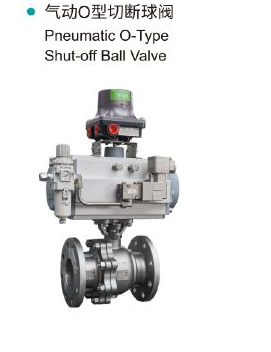
يُختار صمام الإغلاق الكروي من النوع O العامل بالهواء المضغوط للعزل الآلي بالفتح والإغلاق، وليس كخيار أول للتنظيم المستمر للتدفق. ابدأ بواجب الإغلاق المطلوب وسائل العملية وفرق الضغط؛ ثم يجب مطابقة جسم الصمام والمقعد والمشغل لتلك الظروف. يُعرّف كتالوج المورد هذا المنتج لكنه لا ينشر مقاسه أو تصنيفه أو فئة التسرب أو وضع الفشل.
- الواجب الأساسي: عزل آلي بالفتح/الإيقاف
- التشغيل: حزمة ربع دورة تعمل بالهواء المضغوط
وظيفة المنتج
كيف يعمل صمام الإغلاق من النوع O
تتحاذى ممرات الكرة مع الأنبوب لفتح مسار التدفق وتدور عبره لإيقاف التدفق. لا يمكن لصورة الكتالوج إثبات التصنيع بالممر الكامل أو تسرب الإغلاق أو تصميم المقعد أو عزم التشغيل المطلوب.
صمام كروي فتح/إيقاف
استخدم مسار منتج النوع O هذا للعزل بالأمر بالفتح/الإغلاق. حيث يجب أن تحافظ العملية على تدفق وسيط مضبوط، قارن مع صمام تحكم دوّار من النوع V يعمل بالهواء المضغوط و صمام تحكم خطي أحادي المقعد يعمل بالهواء المضغوط باستخدام نطاق التدفق الفعلي وضغط التفاضل والمائع ومتطلبات التسرب.
التسمية في الكتالوج
يُدرج المورّد الصمام من النوع O ضمن سلسلة صمامات التحكم الخاصة به. ولا يجعل اسم قسم الكتالوج هذا منتج النوع O صمامًا مُعدَّلًا ذا خصائص تحكم.
صورة المنتج
يُظهر الكتالوج الأصلي هذا المنتج منفصلًا عن الصمام الهوائي المجاور من النوع V وصمام التحكم الهوائي المصنوع من الفولاذ المطروق. الصورة مرجع بصري وليست رسمًا معتمدًا للأبعاد أو مجموعة القطع الداخلية.
مرجع الكتالوج الأصلي
ما يحدده كتالوج المورّد
يحدد كتالوج المصدر منتج الإغلاق من النوع O ويوضح مشغلًا هوائيًا فوق جسم صمام بفلنجات. ولا يقدم جدول تحجيم خاصًا بالبند أو تكوينًا مسعّرًا لهذا الإدخال.
| حقل الكتالوج | التعريف المنشور |
|---|---|
| المنتج | صمام كروي إغلاق من النوع O يعمل بالهواء المضغوط |
| الوظيفة الأساسية | تشغيل الإغلاق / الفتح والإغلاق، وفقًا لما يحدده اسم الكتالوج |
| التشغيل | هوائي (حزمة المشغل الدقيقة غير محددة) |
| موقع في الكتالوج | سلسلة صمامات التحكم، الصفحة الفعلية 100 من PDF، الصف العلوي، المنتج الرابع |
للحصول على حدود الضغط ودرجة الحرارة ومقاس المنفذ وأداء المقعد والتسرب، اطلب ورقة البيانات الخاصة بالتكوين الدقيق المعروض. لا يمكن تحديد هذه القيم من الصورة المصغرة في الكتالوج.
اختيار الخدمة
حدد أولاً بين العزل أو التحكم التعديلي
صنّف الوظيفة المطلوبة أولاً. بالنسبة لأمر العزل، حدد أقصى ضغط تفاضلي أثناء الإغلاق والتسرب المسموح به بعد الإغلاق. أما بالنسبة لنقطة ضبط التدفق، فيجب بدلاً من ذلك تحجيم صمام التحكم وفق حالات التدفق والضغط الفعلية في العملية.
اختر النوع O للتبديل
- استخدم تهيئة فتح/إغلاق عندما يتطلب نظام التحكم حالتي فتح وإغلاق منفصلتين.
- حدد متطلب التسرب عند إغلاق الصمام وأقصى ضغط تفاضلي عند الإغلاق؛ لا يحدد الكتالوج أيًا من هاتين القيمتين.
للتنظيم المستمر
- قدّم الحد الأدنى والتدفق الطبيعي والأقصى، مع ضغوط الدخول والخروج لكل حالة تنظيم؛ لا يحدد مقاس الخط وحده سعة صمام التحكم المطلوبة.
- قارن تصميم صمام تحكم دوّار أو خطي ذي خصائص محددة مقابل ظروف المائع وسلوك التحكم المطلوب وتسرب المقعد المسموح به.
- لا تُسنِد إلى بند الإغلاق من النوع O قيمة Cv أو نتيجة تسرب المقعد أو إجراء فشل المشغل الخاصة بصمام تحكم آخر.
مدخلات جاهزة لعرض السعر
حدد جسم الصمام والحزمة الهوائية معًا
Begin with the worst normal shutoff condition, not merely the pipe diameter. A correct automated isolation assembly must both contain the fluid and deliver enough actuator torque to move the valve at the specified pressure differential.
On/off duty and shutdown response
State normally open or normally closed service, expected switching frequency, required closed-seat leakage criterion and maximum differential pressure at closure. If shutdown time is critical, provide the required closing time and the process reason.
Size and pressure-temperature conditions
Supply DN/NPS, the mating pipeline connection and the required pressure class or PN designation. Include maximum/minimum design temperature, operating pressure, shutoff differential pressure and any vacuum or transient case. A nominal pressure class alone is not an allowable pressure at every temperature.
Wetted materials and end connections
Identify the process fluid, solids or abrasive content, corrosion conditions and required body, ball, stem and seat materials. Request a mating flange/face-to-face drawing for the offered size; the catalog photo only shows a flanged configuration, not its standard or dimensions.
Air supply and fail action
Provide the minimum available instrument-air pressure, control/solenoid voltage, required loss-of-air position (fail closed, fail open or hold as required by the system), limit-switch feedback and any manual override. The actuator supplier must size opening and reseating torque and document the actual failure sequence; “pneumatic” does not define it.
Drawings and acceptance documents
Request a size-specific datasheet, assembled outline drawing, seat-leakage acceptance criterion, test plan and material/inspection records required by the purchase order. Quote required standards explicitly; this catalog entry does not state a tested leakage class or certification.
Selection limits
Three checks before approving an on/off valve
The most expensive mismatch is often not the nominal valve size: an unsuitable seat, unverified shutoff differential pressure or undersized pneumatic drive can prevent the isolation function the system needs.
Fluid and seat compatibility
For clean or mildly contaminated liquids and gases, assess the proposed seat against chemical compatibility and temperature. For slurries, abrasive particles or frequent cycling, obtain an application-specific seat and wear review instead of assuming a standard soft seat is suitable.
Actual pressure at the closing step
Identify the real shutdown sequence. If another valve closes first or the process equalizes pressure before this valve moves, specify that sequence and the highest differential pressure this valve must close against. The actuator torque and seat selection must be checked for the actual closing case, not inferred from normal line pressure alone.
Clearance and interfaces
Check the installation envelope including actuator height, air connections, maintenance access and flange dimensions against the offered assembly drawing. Do not derive face-to-face length or bolt pattern from the catalog picture.
Source photograph
O-type valve shown in the original catalog
This crop is taken from the product actually labeled “Pneumatic O-Type Shut-Off Ball Valve” on catalog page 100. The supplier catalog provides a visual indication of the depicted assembly; the final actuator, seat, materials and dimensions must match the offered order drawing.
Compare selection routes
Related ball-valve duties are not interchangeable
For a separate characterized rotary-control route, browse the V-port ball-valve series. The three catalog products linked below address different plant, buried-pipeline or pneumatic-hydraulic requirements and should not be treated as alternate configurations of this O-type instrument-air shut-off valve.
صمام كروي لمحطة طاقة عالية الحرارة وعالية الضغط
A different application where temperature and pressure duties may govern the design. Its name does not establish any rating for this O-type valve.
صمام كروي لخط أنابيب الغاز الطبيعي المدفون مباشرة
A buried-pipeline service route with different access, connection and environmental considerations. Do not treat it as the same above-ground pneumatic package.
صمام كروي خطوط أنابيب الغاز الطبيعي بوصلة تعمل بالهواء المضغوط والهيدروليكي
A gas-pipeline product with a pneumatic-hydraulic actuation concept. The drive type and shutdown specification differ from an ordinary instrument-air assembly.
Safety-related application
When shutdown is safety-related
Does the catalog listing qualify this valve for an emergency shutdown function?
No. For a safety-related shutdown function, the project must establish the required loss-of-air position, closing time, maximum shutoff differential pressure, allowable leakage and applicable safety requirements. This catalog entry does not establish that the offered valve-actuator assembly meets them; obtain configuration-specific documentation before approval.
اطلب عرض سعر فني
Quote a pneumatic O-type shut-off ball valve
Tell us the operating case and required shutdown state. Ask for an available size-specific drawing, valve-and-actuator configuration details and the quotation scope for the offered assembly; identify any acceptance or inspection records your purchase order requires.
- Fluid composition and line size (DN/NPS), connection
- Operating and design pressure/temperature; maximum differential pressure at shutoff
- Seat/material needs and closed-valve leakage criterion
- Minimum instrument-air pressure, loss-of-air action, solenoid/control and feedback
- Quantity and required drawing, test, inspection or material records