
سلسلة صمامات العزل · طلب عرض فني
صمامات كروية مزدوجة العزل مع تنفيس
يستخدم ترتيب العزل المزدوج مع النزف (DBB) حاجزين للإحكام ووسيلة يمكن الوصول إليها لتنفيس أو مراقبة الحيز بينهما. لعزل خطوط الأنابيب أو العمليات، حدّد اتجاهات الضغط ووصلة النزف واختبار القبول قبل اختيار تكوين الصمام. يمكننا مراجعة الترتيب المقترح مقابل متطلبات مشروعك؛ فاسم منتج مدرج بمفرده ليس تصنيف DBB موثّقًا.
ابدأ من واجب العزل: قد يكون لتجميعة متكاملة من كرتين، أو إغلاق واحد بمقعدين، أو صمامي عزل منفصلين على الخط آثار مختلفة على التحقق والصيانة. يعتمد الاختيار الصحيح على فلسفة العزل الحاكمة وسلوك المقعد الموثّق.
ما نحتاج إلى التحقق منه
1. ترتيب العزل: أظهر الحاجزين ووصلة النزف على رسم مقطعي.
2. اتجاه الضغط: حدّد المقعد الذي يجب أن يحكم الإغلاق لكل حالة تشغيل وحالة ضغط عكسي.
3. الإثبات: اتفق على اختبارات المقعد والنزف ومعايير قبول التسرب والسجلات المطلوبة للصمام المعروض فعليًا.
كتالوج المصدر · صفحة PDF الفعلية 92
يسرد الكتالوج صمام كروي مزدوج؛ أداء DBB غير مُثبت
يسمّي كتالوج المورّد صمام كروي مزدوج ويعرض تجميعة بعجلتين يدويتين على صفحة PDF الفعلية 92. ولا يعرض مسار التدفق الداخلي المطلوب، أو اتجاهات المقاعد، أو تقرير اختبار DBB/DIB مخصص. راجع سجل صمام كروي مزدوج المستقل لهوية المنتج تلك. صورة الموقع الحالية المحتفظ بها أدناه هي منتج مختلف عن تلك الصفحة نفسها: صمام كروي يدوي ثابت من الصلب المصبوب. ويجب عدم استخدامها كصورة منتج DBB.
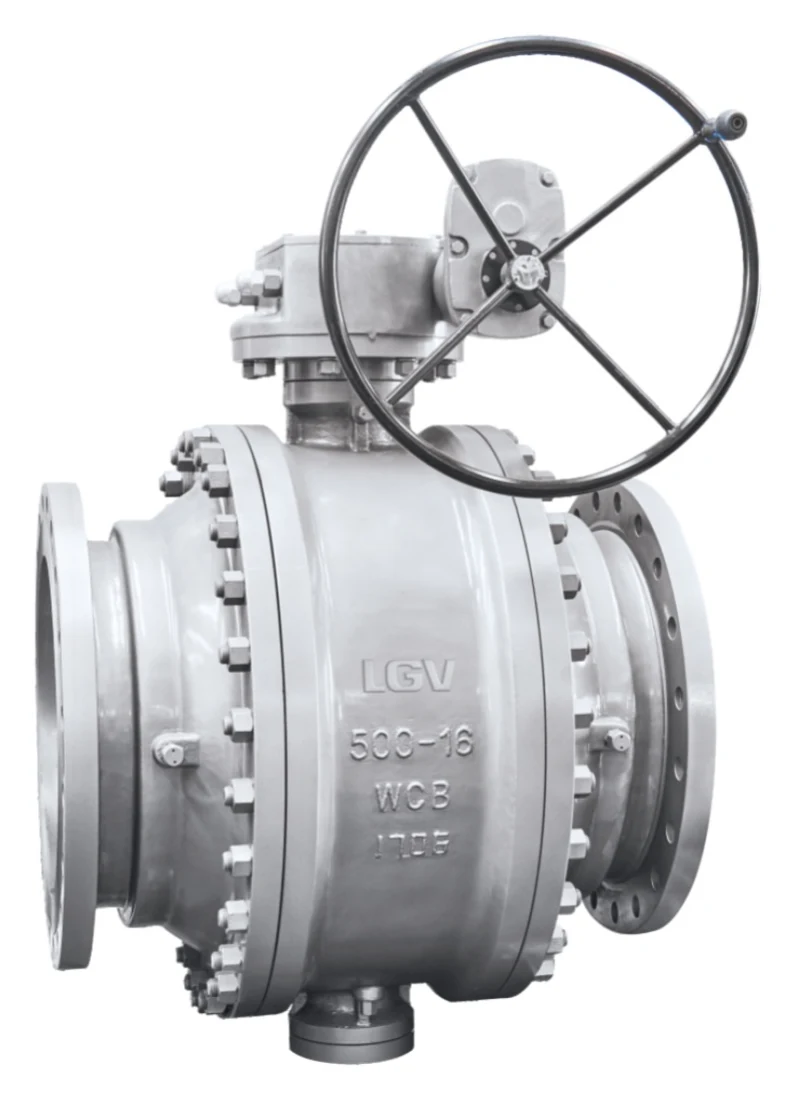
صورة الكتالوج ذات الصلة: صمام كروي يدوي ثابت من الصلب المصبوب
هوية الصورة: الصمام المصوّر له عجلة يدوية رئيسية واحدة؛ ويسمّيه كتالوج المورّد صمام كروي يدوي ثابت من الصلب المصبوب. وهو محتفظ به لتتبّع المصدر، لا كدليل على تجميعة كرتين، أو قدرة DBB/DIB، أو درجة مادة، أو تصنيفات. وينبغي تقييم بند الصمام الكروي المزدوج المنفصل باستخدام رسمه المقطعي الخاص ومستندات اختباره.
افتح ملف PDF عند الصفحة الفعلية 92. الكتالوج مرجع لأسماء المنتجات، وليس ورقة بيانات خاصة بطلب معين أو سجل قبول.
وظيفة العزل · اختيار التكوين
أي ترتيب DBB يطابق متطلبات العزل؟
DBB وDIB ليستا مواصفتين قابلتين للتبادل. وفقًا لمصطلحات API 6D، يتعلق DBB بالإحكام ضد الضغط من طرفي الصمام مع وسيلة لتصريف التجويف؛ أما DIB فيتطلب أن يعزل كل مقعد محدد الضغط من مصدر واحد، مع تحديد الترتيب واتجاهات المقاعد. قد يستوفي صمام بكرة واحدة ومقعدين تعريف DBB وفق معيار الصمامات دون توفير صمامي عزل قابلين للتشغيل المنفصل لإجراء صيانة معين. إذا كان إجراء موقعك يتطلب غلقين مستقلين على الخط، فلا تستبدل صمام بكرة واحدة استنادًا إلى تصنيف DBB. تحقق من إصدار المعيار المعمول به وإجراء التشغيل ونطاق اختبار المنتج.
| الوظيفة المطلوبة | متى ينطبق | ما الذي يحدد القبول |
|---|---|---|
| غلقان مستقلان | يتطلب الموقع سدادات قابلة للتشغيل بشكل مستقل. قد يتطلب إجراء صيانة معين صمامين على الخط، وليس مجرد كرتين داخل جسم واحد. | اطلب رسم المقطع ومسار التصريف الوسيط ونقاط التشغيل والقفل الفردية. لا تُثبت عجلتا تشغيل يدويتان بمفردهما المطابقة لأي إجراء عزل معين. |
| Single ball with two seats | Project accepts a valve-standard DBB solution rather than two independent closure members | Review seat pressure-side behavior and test configuration. A valve-standard DBB description alone does not prove the specific U.S. permit-required confined-space isolation arrangement in 29 CFR 1910.146(b). |
| DIB-1 / DIB-2 duty | DIB-1 calls for two bidirectional seats; DIB-2 combines a bidirectional seat with a unidirectional seat. Required isolation directions determine which arrangement to examine. | If API 6D DIB duty is specified, require evidence that both DIB-1 seats are tested in both pressure directions. For DIB-2, verify the bidirectional seat in both directions and the unidirectional seat in its specified direction; identify the applicable leakage-monitoring points and cavity-pressure relief. Neither duty is verified for the catalog item. |
| Bleed and cavity pressure | The intermediate cavity may retain or accumulate pressure, including thermal expansion of trapped liquid | Define vent/drain size and discharge destination, gauge or monitoring provisions, relief route and allowable operating sequence; a connection alone is not a safe discharge system. |
| Acceptance and traceability | Buyer must prove the ordered valve’s claimed isolation function | A routine shell or seat test does not, by itself, prove the purchased DBB/DIB function. When the project specifies the applicable API 6D additional test, DBB requires simultaneous pressure at both valve ends with leakage monitored at the intervening cavity vent; DIB-1/DIB-2 require their prescribed directional seat tests and leakage monitoring at the cavity or designated valve-end outlets. Agree on the cited edition, addenda/errata and product-specific test procedure/ITP covering medium, test pressures, applied directions, bleed configuration, monitoring points, leakage acceptance, witnessing and records. Specify any DIB operational verification separately where required. |
Common specification routes
Isolation decisions in three common services
These are specification scenarios, not claims that VALMORA has supplied, qualified or tested any particular service.
Pipeline shutdown / custody-transfer piping
If the line is to be isolated for pigging or maintenance, state the pipeline bore, possible reverse pressure, lockable operation and whether two independent closures are mandatory. Ask for the bore and bleed-path drawing, rather than assuming a double-ball catalog label is sufficient.
Instrument tapping and sampling
For close-coupled instruments, the key choice may be a compact ball/needle/ball or monoflange assembly with a controlled vent destination. Compare instrument connections, accessible bleed operation and process-side isolation; do not treat a large pipeline DBB body as automatically suitable.
Process equipment maintenance
Where trapped pressure, toxic or flammable media, or vessel entry are possible, the site’s approved isolation procedure governs. For U.S. general-industry permit-required confined-space entry where 29 CFR 1910.146 applies, its DBB definition specifies two in-line valves closed and locked or tagged, and the drain or vent between them opened and locked or tagged. Two balls, two handwheels or a DBB marking alone do not establish that a particular assembly meets this definition. Verify the actual valve arrangement, available lockout/tagout points, safe bleed destination and site-required pressure-isolation checks. This is a selection condition, not a permit-to-work or zero-energy guarantee.
Offer documentation
Three checks before accepting a DBB ball valve proposal
Compare the actual valve configuration and documents, not just the term “DBB” in a product title. The catalog currently confirms a product name but does not provide enough information to publish one universal VALMORA specification.
1 · Assembly and bleed route
Ask for a sectional or P&ID-aligned drawing showing the two sealing boundaries, actuating members, bleed passage and connections. Verify where pressure can enter the intermediate cavity and whether the bleed path can be safely operated and monitored.
2 · Seat behavior and cavity relief
Identify the seat concept, flow/pressure direction, cavity self-relief or external relief arrangement, and what happens under reverse pressure or trapped-liquid thermal expansion. A bidirectional sealing claim needs matching seat test evidence, not only a general pressure class.
3 · Ratings and acceptance records
Match the offered size, bore, end connections, material/trim, pressure–temperature ratings, medium compatibility and operator to a drawing and datasheet. Require a documented inspection and seat-test scope for the purchased configuration; API 6D or ISO 14313 terminology alone is not a certificate or a test report.
Compare adjacent ball valve designs
Use the right ball valve page for the design question
This page addresses verified DBB isolation requirements. For support arrangement, see الصمامات الكروية بكرة مثبتة على محاور أو floating ball valves. For welded pressure-containing body construction, see fully welded ball valves. V-port ball valves serve a different, control-oriented selection question; none of these labels establishes DBB performance.
Ball Valves: select the wider product family
Compare isolation and control ball valve types before specifying seat architecture and bleed functionality.
Products: compare other valve families
Return to the wider industrial valve range when the primary duty or valve type is unresolved.
Industries: refine operating conditions
Review the actual service demands, then bring medium, pressure, temperature, isolation objective and regulatory constraints back into this RFQ.
Resources: technical background
Use technical explanations to formulate questions, not as a substitute for the product-specific drawings and test records.
Ordering questions
DBB ball valve RFQ questions
For a project-specific quote, the exact assembly drawing, seat duties and acceptance requirements take precedence over catalog terminology. The following questions summarize the basic ordering inputs.
What project data is needed to specify Double Block and Bleed Ball Valves?
State the isolation or control duty, bore requirement, flow direction, pressure and temperature cases, cycling frequency, seat/shutoff expectation, cavity-relief requirement and actuation method.
Does the Double Block and Bleed Ball Valves series name define every available size, pressure class and material?
No. A series name identifies a documented ball valve selection route, but the orderable size, rating, material, connection, standard and operating limits must be confirmed on the offered datasheet and approved order drawing.
How should buyers compare products within the Double Block and Bleed Ball Valves series?
Compare body construction, entry and maintenance access, bore/port geometry, seat concept, end connection, actuation, cavity-pressure management and required project documents.
Which documents should be requested before order approval?
Request the offered datasheet, general arrangement or dimensional drawing, material and trim schedule, applicable inspection and test plan, required certificates, marking details and the final order-specific document list.
Project-specific technical inquiry
Send the DBB isolation duty and request a matched configuration
Provide your P&ID or isolation sketch if available. State which barriers must be independently operable, the required bleed/discharge route and governing project or site standard. We can use those inputs to clarify the proposed product identity and the drawings and test records that would be required; no unverified product rating or conformity is implied.
- Isolation objective: pipeline shutoff, instrument isolation or maintenance boundary
- Required philosophy: two separate block closures, single-body DBB or specified DIB-1/DIB-2
- Normal and reverse differential pressure; maximum/minimum operating temperature
- Medium, phase and any corrosive, hazardous or solids-bearing conditions
- Nominal bore, end connections, installation envelope and operating method
- Bleed port location, size, monitoring, safe discharge and cavity-relief requirements
- Applicable standard edition, leakage acceptance, test directions and witness/records
- Drawing, material/trim, quantity and schedule requirements; mark unknowns clearly