
Robinet-vanne documenté au catalogue
Robinet-vanne à tige non montante en acier inoxydable à siège élastomère
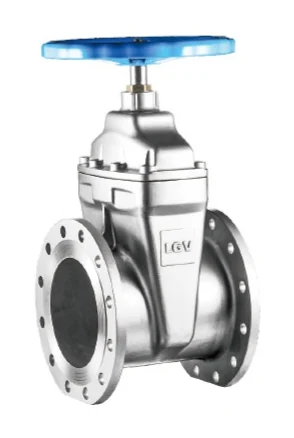
Le catalogue source présente ce robinet-vanne comme à siège souple et à tige non montante sous sa Série de vannes de régulation hydrauliques. Cet intitulé de série est un libellé de section de catalogue, et non la preuve d'un actionnement hydraulique ni d'un service de régulation modulante. Le catalogue utilise également “ acier inoxydable ” comme descripteur de matériau ; il ne précise pas la nuance de chaque composant sous pression ni de chaque pièce en contact avec le fluide.
- Type de robinet : robinet-vanne
- Configuration de tige : tige non montante
- Descripteur de siège : à siège souple
- Descripteur de matériau : acier inoxydable
Identification du produit
Ce que le catalogue identifie
Cette page consigne une identité catalogue précise au sein de la gamme plus large des robinets-vannes. Il ne s'agit pas d'une fiche technique complète : le nom du produit seul n'établit ni taille commandable, ni classe de pression-température, ni norme de raccordement, ni composition du siège, ni modèle d'actionneur, ni approbation de projet.
Famille de produits
Robinet-vanne. Il s'agit du type de produit et de la route commerciale parente pour la sélection au niveau de la catégorie.
Série de catalogue
Série de vannes de régulation hydrauliques. Il s'agit uniquement du titre de section du catalogue source ; il n'établit ni un opérateur hydraulique ni une fonction de vanne de régulation pour ce robinet-vanne.
Source des éléments
Catalogue produits en anglais récupéré, page 103 du PDF ; la légende du produit est associée à l'illustration correspondante du catalogue dans les éléments d'image fournis.
Éléments du catalogue
Ce que le catalogue source confirme réellement
Le catalogue fournit des descripteurs d'identité du produit, non une spécification complète de la vanne. “ Acier inoxydable ” n'identifie pas la nuance de chaque composant, et “ à siège résilient ” n'identifie ni le composé élastomère, ni la construction du siège, ni les critères d'acceptation de l'étanchéité.
| Champ | Formulation du catalogue | Ce que cela confirme |
|---|---|---|
| Identification du produit | Robinet-vanne à tige non montante en acier inoxydable à siège élastomère | Étiquette produit exacte sur la page 103 du PDF |
| Type de robinet | Robinet-vanne | Étiquette produit |
| Configuration de tige | Tige non montante | Légende du produit ; l'opérateur et l'indication de position ne sont pas spécifiés |
| Descripteur de siège | À siège résilient | Étiquette produit ; le composé élastomère et la construction du siège ne sont pas spécifiés |
| Descriptif matière | Acier inoxydable | Étiquette produit ; les nuances des composants et l'affectation des matériaux ne sont pas spécifiées |
| Section du catalogue | Série de vannes de régulation hydrauliques | Titre de section uniquement ; ne constitue pas une preuve d'actionnement hydraulique ni de fonction de régulation |
Avant devis : obtenir la fiche technique proposée et le plan approuvé pour la taille, les limites pression-température, les détails des extrémités, les nuances de matériaux, le système de siège, l'organe de manœuvre et les exigences d'essai. Aucune de ces valeurs ne doit être déduite de l'image du catalogue ni du titre de section.
Périmètre des preuves
Descripteurs confirmés et champs de configuration ouverts
La désignation du produit confirme un robinet-vanne à tige non montante et un descripteur de siège élastomère. Le catalogue indique également que le matériau est de l'acier inoxydable. La construction détaillée et les limites de service restent propres à la configuration.
Confirmé par le catalogue
- Type de robinet : robinet-vanne
- Configuration de tige : tige non montante
- Descripteur de siège : à siège souple
- Descripteur de matériau : acier inoxydable
- Section du catalogue : Série de vannes de régulation hydrauliques ; libellé de section uniquement
À confirmer avant devis
- Nuances de matériaux du corps, du chapeau, de la tige, du clapet/coin, de la garniture interne et de la visserie
- Composé du siège/élastomère, construction, compatibilité et approbations requises
- DN/NPS, classe pression-température et dimensions des raccordements d'extrémité
- Commande de tige, organe de manœuvre, sens d'ouverture, couple/poussée et indication de position
- Sens et critères d'acceptation de l'étanchéité au siège, essais de corps/siège et procès-verbaux d'inspection
- Normes et éditions de conception/essai applicables, plans et certificats
Revue d'ingénierie
Comment spécifier ce robinet-vanne à tige non montante et à siège élastomère
The two defining terms in this catalog name affect different parts of the purchase decision: the stem arrangement determines how the gate is operated and accessed; the resilient-seat description makes the seat compound and shutoff criteria important. Confirm both against the actual service and offered sectional drawing.
Duty and service medium
Specify the line function and whether the valve is for full-open/full-closed isolation; state required shutoff performance and operating frequency. Identify the plant/equipment duty and provide fluid composition and concentration, phase, solids or abrasives, cleaning/disinfection chemicals and corrosion or erosion concerns. If routine flow modulation is required, do not infer control capability from the catalog series heading; evaluate a suitable control-valve design.
Pression et température
Provide DN/NPS, design and operating pressure, maximum differential pressure during opening and closing, and minimum, normal and maximum temperature. Include relevant start-up, shutdown, vacuum or other transient conditions. The catalog supplies no pressure class or pressure-temperature rating for this item.
Materials, resilient seat and end connections
“Stainless steel” is a catalog descriptor, not a complete material schedule. Identify the required grades for the body, bonnet, stem, gate/wedge core, trim, fasteners and other wetted parts. Confirm the actual seat/elastomer compound, wedge coating or encapsulation/seat-ring construction, compatibility with the medium and temperature, required shutoff direction and leakage acceptance, and any potable-water or process-contact approvals. Separately specify the end type, flange standard and facing (or other mating interface), pressure rating and face-to-face dimensions.
Non-rising stem drive and installation
In a conventional non-rising-stem arrangement, the stem rotates without external axial travel while the gate moves along the stem threads. Confirm the offered stem/nut arrangement, handwheel, operating nut, gearbox or actuator, opening direction, number of turns, required torque/thrust, position indicator and mounting interface. The catalog illustration shows a handwheel but does not confirm the supplied operator. Check any valve-box or stem-extension needs, overhead clearance, orientation, flow-direction marking, piping loads, ambient exposure and maintenance access. If powered, define the utilities, control interface and any required loss-of-power action.
Testing and documents
Request the configuration-specific datasheet, general-arrangement and sectional drawings, material schedule/traceability, shell and seat leakage tests with acceptance criteria, stem-sealing and bonnet-gasket details, applicable design/test standards and editions, inspection plan, witness/hold points and required certificates. Ask which records will be supplied for the quoted configuration and purchase order.
Gammes de produits associées
Other gate valve catalog entries
These are separate catalog identities, not interchangeable specifications. Use the rising-stem entry for a direct stem-arrangement comparison; the forged-steel entries represent different material, operator or bonnet descriptions. Review each product against its own datasheet and drawing.
Robinet-vanne à tige montante en acier inoxydable à siège élastomère
Direct comparison for stem arrangement and external clearance. The rising-stem entry has its own catalog evidence; do not transfer its materials, dimensions or ratings to this non-rising-stem product.
Robinet-vanne électrique en acier forgé pour centrale électrique
A separate electric-operated forged-steel power-plant gate valve entry. Its material descriptor and operator are different; confirm its own grade, drive and operating envelope.
Robinet-vanne forgé auto-étanche à commande manuelle
A separate manually operated forged-gate entry with pressure self-sealing bonnet wording. That bonnet description does not establish this product’s resilient-seat construction or pressure rating.
Questions des acheteurs
Stainless Steel Resilient Seated Non-Rising Stem Gate Valve FAQ
These answers separate the source catalog descriptors from the technical details that must be confirmed for the offered valve.
What does the source catalog confirm for this gate valve?
It identifies a Gate Valve named Stainless Steel Resilient Seated Non-Rising Stem Gate Valve. The product caption specifies a non-rising stem, the name includes a resilient-seat descriptor and a stainless-steel material descriptor, and the entry appears under the Hydraulic Control Valve Series heading. The catalog does not provide a complete datasheet.
Does “Hydraulic Control Valve Series” mean this gate valve is hydraulically actuated?
No. It is the source catalog section heading. It does not establish a hydraulic operator, an actuator model or a modulating control function. Confirm the offered operator and duty separately; a conventional gate valve is generally selected for on/off isolation rather than routine throttling.
What does non-rising stem mean for operation?
In a conventional non-rising-stem arrangement, the stem rotates without moving axially outside the valve while the gate travels along the stem threads. This can reduce the external stem-travel envelope, but the actual stem/nut design, operator, opening direction, turns, torque or thrust, position indicator and access arrangement still need confirmation.
What does resilient seated confirm about the seal?
It identifies a resilient-seat design descriptor only. The catalog does not specify the elastomer compound, wedge coating or encapsulation method, seat-ring construction, replaceability, chemical compatibility, sealing direction or leakage acceptance. Obtain these details from the offered material schedule, drawing and test specification.
Can the catalog illustration be used as a dimensional or connection reference?
No. The illustration supports product identity and general appearance only. Use the approved general-arrangement and connection drawings for face-to-face dimensions, flange drilling/facing, installation clearances and mating-pipe checks.
Que faut-il inclure dans la demande de devis ?
Provide the valve duty and fluid composition/concentration, solids and cleaning chemicals, size, design pressure, maximum operating differential pressure, temperature range, end connection, material grades, seat compound and leakage criteria, NRS operator/drive requirements, quantity, drawings, tests, inspection and document requirements.
Demande technique
Request a configuration review for Stainless Steel Resilient Seated Non-Rising Stem Gate Valve
Reference this catalog identity and provide the operating case. The quotation should identify the actual body and trim grades, resilient-seat compound, end connection and non-rising-stem drive offered, with the applicable drawings and test/document scope.
- Duty, plant/line function, fluid composition/concentration, solids and cleaning chemicals
- DN/NPS, design pressure, maximum operating differential pressure and temperature range
- End type, mating standard/facing, face-to-face dimensions and installation constraints
- Component material grades, seat compound/construction, shutoff direction and leakage acceptance
- NRS stem drive, operator, torque/thrust, turns, position indication and actuator interface if powered
- Quantity, drawings, shell/seat tests, inspection, witness and certificate requirements