
موديل كتالوج صمام أمان
صمام أمان وتنفيس ضغط A42Y
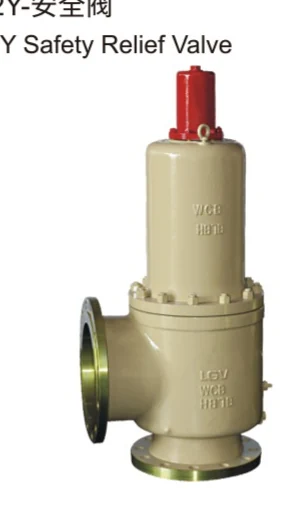
يُعرّف كتالوج المورد صمام أمان وتنفيس ضغط A42Y ضمن سلسلة صمامات الأمان الخاصة به. لاختيار جهاز تنفيس، يجب أولاً تحديد المعدة المحمية ومعدل التصريف المطلوب وطور المائع وظروف الضغط. الرسم التوضيحي في الكتالوج وحده لا يتحقق من ضغوط الضبط المتاحة أو سعة التصريف أو التكوين القابل للطلب.
- قائمة الكتالوج: A42Y ضمن سلسلة صمامات الأمان
- بيانات السعة وضغط الضبط الخاصة بالموديل: تُطلب قبل الاختيار
أدلة الكتالوج
ما يؤكده كتالوج المصدر
المصدر عبارة عن صفحة صور منتجات وليس ورقة بيانات فنية. يحدد اسم الموديل ورسمه التوضيحي؛ ولا يقدم جدول ضغط ضبط أو فتحة تصريف معتمدة أو سعة معتمدة أو نطاق مقاسات أو درجات مواد أو اعتمادات لـ A42Y.
| حقل المصدر | ملاحظة موثَّقة | المعنى الشرائي |
|---|---|---|
| اسم الطراز | صمام أمان وتنفيس ضغط A42Y | هوية الكتالوج فقط؛ لا يوجد رمز طلب كامل |
| عائلة المصدر | سلسلة صمامات الأمان | عائلة المنتج، وليست وسيطًا أو موافقة امتثال |
| الموضع المطبوع | الصفحة المطبوعة 200؛ الصفحة الفيزيائية 105 من ملف PDF المورَّد | مصدر قابل للتتبع لملصق الطراز |
| الرسم التوضيحي الأصلي | صمام بغطاء أحمر وجسم بلون ذهبي، بجوار ملصق A42Y | تعريف بصري فقط؛ وليس شهادة أبعاد أو مواد |
| الضغط والسعة والمقاس | غير مذكور لهذا الطراز في صفحة الكتالوج المصوّرة | مطلوب صحيفة بيانات الطراز الدقيق وأدلة حساب المقاسات قبل الاعتماد |
حدود الاختيار: A42Y هو مدخل كتالوج قابل للتتبع، وليس مطابقة مؤكدة لأي وعاء بعينه. يجب الحصول على تعيين الطراز المقترح والوثائق الفنية الداعمة قبل اعتباره جهاز تنفيس معتمدًا.
قرار واجب التنفيس
حدّد واجب التنفيس قبل اختيار الصمام
يكون استفسار A42Y قابلًا للتنفيذ عندما يفصل بين ظروف التشغيل التي يجب على المشتري تحديدها وبين أدلة التكوين والأداء التي يجب على المورد تقديمها.
المشتري: تحديد الحالة المحمية
- الوعاء أو نظام الأنابيب المحمي، وضغط التصميم أو MAWP، وضغط التشغيل
- سيناريوهات الضغط الزائد الحاكمة ومعدل التنفيس المطلوب لكل حالة ذات صلة
- هوية المائع والطور أثناء التصريف، ودرجة حرارة التنفيس وخصائصه
- ضغط التضبيط المقترح، وحد التراكم المعمول به، وهامش التشغيل
- Discharge destination, superimposed/built-up back pressure and inlet piping layout
Supplier: substantiate the offered configuration
- Exact variant and nameplate marking, set-pressure range and spring/nozzle arrangement
- Orifice or effective flow area, applicable discharge coefficient and capacity basis
- Body, trim, seat and spring materials; pressure-temperature and end-connection details
- Permissible back pressure, mounting limits and installation/maintenance drawing
- Requested tests, inspection records and any certificate with the correct issuing entity and scope
اختيار هندسي
Five checks that determine whether A42Y can be specified
Use these checks for the proposed A42Y variant. They explain the design review; they do not establish that every A42Y-labelled valve is suitable for the stated service.
1. Required capacity comes before nominal size
Determine the governing relief load from the protected equipment and credible overpressure scenario. Then calculate the required flow area using the applicable method, fluid properties, relieving pressure and validated discharge data. A nominal DN, flange size or catalogue photograph cannot establish that the valve will pass the required mass flow.
2. Set pressure is not the pressure class
Coordinate the proposed set pressure with the protected equipment’s MAWP or design basis, normal operating pressure and permitted overpressure/accumulation under the governing rules. Separately check the valve and flange pressure-temperature limits. A PN or Class designation is not a substitute for an approved set pressure or rated discharge capacity.
3. Fluid phase changes the sizing method
Identify whether the relief stream is gas/vapor, steam, liquid or flashing/two-phase flow at the relieving conditions. Density, viscosity and thermodynamic properties affect the calculations; two-phase or flashing scenarios may require specialized methods. The source listing does not establish A42Y suitability for every fluid or phase.
4. Back pressure and the discharge route can rule out a configuration
Document both superimposed and built-up back pressure for the intended outlet system. Check whether the offered valve construction and spring arrangement maintain the required performance at those conditions, and where the discharge can be routed safely. Do not assume that a conventional spring valve, a balanced design and a pilot-operated design are interchangeable.
5. Verify the inlet, installation and test documents
Assess nonrecoverable inlet pressure loss at the relevant relief flow, along with pipe geometry, support, drainage, reaction loads and installation orientation. Excessive inlet loss can promote unstable cycling; the exact acceptance criterion depends on the applicable code and engineering assessment. Before purchase, request the exact order drawing, set-pressure and seat-tightness test scope, capacity documentation, materials and any project-required third-party approvals.
Alternative catalogue records
Other safety relief valve records
These are different catalogue identities within the same category, not interchangeable capacity ratings. Compare only after the service conditions are known and each proposed model has its own datasheet.
صمام أمان وتنفيس ضغط A48SY-P
A separately labelled model on the same source spread. Request its own construction details, discharge rating and back-pressure limits before comparing it with A42Y.
صمام أمان وتنفيس ضغط A48SY-V
This designation has a separate catalogue listing and illustration. The suffix alone does not establish a permissible service, certified capacity or equivalence to A42Y.
صمام أمان وتنفيس ضغط A42F46
A different model designation shown on the lower row of the source spread. Do not infer wetted materials, lining, corrosion resistance or pressure rating from its name alone.
Technical quotation
Request an A42Y configuration review
Reference A42Y and attach the relief-system basis or equipment datasheet where available. Ask for the exact proposed model code, sizing/capacity evidence, pressure-temperature and materials data, approved dimensions and the applicable testing or certification documents. A purchase decision should follow the system engineer’s relief calculation and document review.
- Equipment and jurisdiction: vessel/pipeline, MAWP, governing code, overpressure scenario
- Process: fluid, relief phase/properties, relieving temperature and required mass flow
- Pressure: operating, proposed set, accumulation requirement and superimposed/built-up back pressure
- Piping: inlet line, outlet/discharge destination, connections, orientation and mechanical constraints
- Offer requirements: exact variant, materials, quantity, drawing, certified capacity and test/approval records