
تشغيل كهربائي وفق الكتالوج · اختيار التجميعة حسب طبيعة الخدمة
صمام فراشة كهربائي

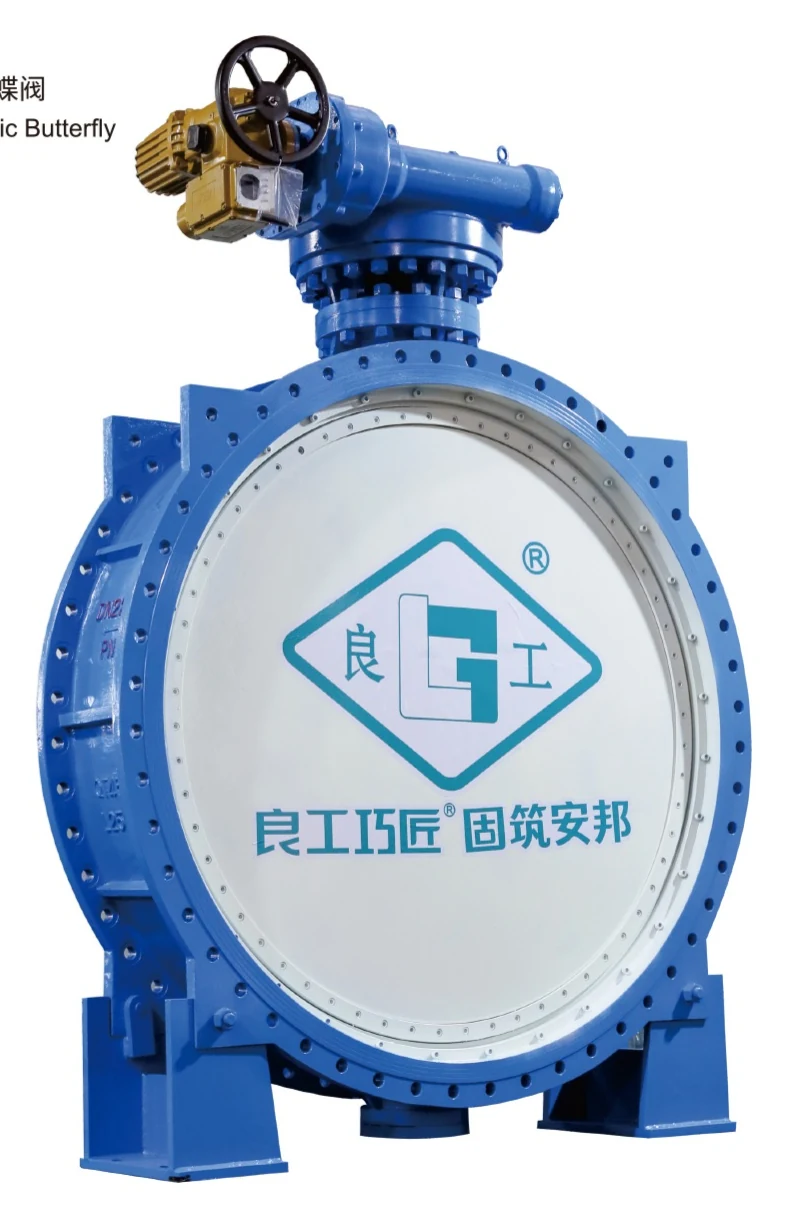
يذكر كتالوج المصدر هذا المنتج صمام فراشة كهربائي ويعرض تجميعات صمام فراشة مشغّلة كهربائياً. للحصول على عرض سعر قابل للتنفيذ، يجب تحديد جسم الصمام وترتيب الإحكام والمشغل الكهربائي معاً—لا اختيارها من الصورة وحدها. ابدأ بـ خدمة فتح/إغلاق أو ضبط الموضع, ثم حدّد أقصى ضغط تفاضلي وعزم الدوران وعناصر التحكم الكهربائية والاستجابة المطلوبة عند فقدان الطاقة.
- نوع الصمام: صمام فراشة
- التشغيل: كهربائي
ابدأ بمهمة التشغيل
اختر خدمة الصمام–المشغل قبل مقارنة الطُرز
يصف التشغيل الكهربائي طريقة إدارة صمام الفراشة، وليس أداء الإحكام أو دقة التحكم أو سلوك الطوارئ. فهذه قرارات تكوين منفصلة. يحدد الكتالوج المرفق نوع المنتج لكنه لا ينشر مواصفات جاهزة للطلب لأي من التجميعتين المصورتين.
العزل فتح/إغلاق
بالنسبة لأوامر مثل OPEN وCLOSE، ابدأ بترتيب ربع لفة للفتح/الإغلاق. حدّد عدد دورات التشغيل والزمن المسموح به للشوط الكامل وأداء التسرب المطلوب في وضع الإغلاق وأي متطلبات للتشغيل المحلي/اليدوي. لا يجوز افتراض كفاية مشغل خدمة القطع منخفض الدورات للتشغيل الموضعي المتكرر.
ضبط الموضع أو الخنق
إذا كان نظام التحكم يحتاج إلى ضبط موضعي متقطع، فحدّد خدمة ضبط الموضع وواجهة الأوامر والتغذية الراجعة المطلوبة. وإذا كان عليه تعديل التدفق بشكل متكرر، فتأكد من ملاءمة الصمام للخنق وحدّد مشغلاً مصنفاً لخدمة التعديل مع التغذية الراجعة المناسبة. تحقق من تكرار التشغيل وعدد مرات البدء المسموح بها واستقرار التحكم؛ فمحرك الفتح/الإغلاق البسيط لا يصبح حزمة تعديل بمجرد إضافة إشارة تناظرية.
الخدمة الطارئة أو الحرجة
حدّد ما يجب أن يفعله الصمام عند انقطاع التغذية أو فقدان أمر التحكم أو تفعيل إشارة إيقاف طارئ. الفتح عند الفشل والإغلاق عند الفشل والبقاء في الوضع الحالي متطلبات مختلفة. المشغل الكهربائي وحده لا يضمن أيًا من هذه المتطلبات. قد يتطلب حل مثبت للوضع عند الفشل طاقة مخزنة أو نظام مشغل مؤهل آخر.
أدلة الكتالوج
ما يؤكده كتالوج المنتج الأصلي فعليًا
يصنّف كتالوج اللغة الإنجليزية الأصلي عدة صور فوتوغرافية صمام فراشة كهربائي على الصفحات المادية 94–95 من ملف PDF (الصفحات المطبوعة 177–180). وهي تُظهر أشكالًا مختلفة للمشغل دون تقديم قائمة مكونات (BOM) موحدة قابلة للنقل لجسم الصمام/المشغل أو نطاق اختيار واحد. ولا تُثبت العلامات المصبوبة ولا مقدمة السلسلة الأوسع أي مقاس أو ضغط أو مادة أو تصنيف محرك معروض لهذا المنتج.
| الحقل | ما يمكن ذكره | الدليل / الخطوة التالية |
|---|---|---|
| هوية المنتج | صمام فراشة كهربائي | تسمية كتالوج المصدر |
| عائلة المنتج | صمام فراشة | عنوان كتالوج المصدر |
| فئة المشغل | كهربائي | ملصق كتالوج المصدر؛ بدون مواصفات كهربائية |
| مصدر الصورة | صفحات PDF الفعلية 94–95 (المطبوعة 177–180) | رسمان توضيحيان موسومان؛ ليس رسمًا هندسيًا معتمدًا |
| المقاس / الضغط / درجة الحرارة | غير محدد لهذا التجميع المعروض | يتطلب ورقة بيانات الصمام المعروض |
| الجسم / القرص / المقعد / التوصيل | غير محدد لهذا التجميع المعروض | يتطلب رسم الصمام المعروض وجدول المواد |
| عزم المشغل / التغذية / أدوات التحكم | غير محدد لهذا التجميع المعروض | يتطلب ورقة بيانات مشغل مطابقة |
| Leakage, standards and testing | غير محدد لهذا التجميع المعروض | REQUIRES APPLICABLE PROJECT SPECIFICATION AND OFFERED RECORDS |
For a technical or purchase order release, request the offered combination drawing and individual valve and actuator datasheets. Catalog photographs are not fabrication dimensions, torque curves or proof of required certificates.
ELECTRICAL AND CONTROL INTERFACES
Specify commands, feedback and power-loss behavior separately
The control interface determines how the DCS/PLC commands and verifies valve motion. The fail response determines what happens without a healthy command or power supply. These requirements must appear on the same actuator data sheet and wiring drawing; the catalog provides neither.
Normal control and indication
- Power: provide site voltage, AC/DC, phase, frequency and allowable tolerance; supplier to state the actual actuator electrical rating.
- Commands: discrete OPEN/CLOSE versus a positioning setpoint (for example, 4–20 mA if specified); supplier to confirm supported interface and control logic.
- Feedback: ask for open/closed limit indication or continuous position feedback as required, plus fault/torque alarm contacts and local control/override details.
Loss of supply, signal or ESD
- Loss of power: specify whether the valve may remain in its last position or must reach a defined open/closed position. Require the offered method and time.
- Loss of command/communications: state the separate desired response; do not assume it is identical to loss of power.
- Emergency demand: if an ESD function is needed, supply the system safety requirements and request the exact actuator/control evidence; do not infer a safety rating.
MATCHED ASSEMBLY ENGINEERING
Size the electric actuator against the valve—not only the pipe
For an electric butterfly valve the decisive selection input is the valve operating torque across its full travel under the stated service conditions. Nominal pressure class or actuator motor wattage alone cannot establish a reliable pairing. Request one matched assembly schedule rather than separate uncoordinated product quotations.
1. Maximum differential pressure and torque
Provide the maximum differential pressure across the disc while opening, closing and, if relevant, throttling—not just line design pressure. Include any applicable pressure transients, vacuum conditions or reverse differential-pressure cases in the duty data. Request break-to-open, running, seating/reseating and any significant flow-induced dynamic torque for the specified valve, seat and temperature. Select actuator output and reserve from the manufacturer’s operating torque data, including low-voltage/ambient derating and the valve’s allowable stem torque; no universal margin or torque value is assumed here.
2. Stroke, starts and operating time
Specify required quarter-turn travel, allowed opening/closing time, number of full strokes per day and positioning starts per hour. A frequently adjusted control valve needs a suitable modulating-duty rating and heat-management allowance; a slow shutoff stroke can also be unacceptable in a time-critical system. Ask the supplier for the actuator’s duty classification and permissible operating schedule.
3. Valve-to-actuator coupling
Match the valve drive stem, mounting flange/bolt pattern, coupling and bracket arrangement to the offered actuator, together with travel stops and torque/limit settings. Specify an applicable interface standard only if required by the project and verify it on the offered drawings; the catalog does not establish ISO 5211 conformity for this item. The support arrangement must carry actuator weight and site loads.
4. Site power, control and enclosure
Provide the panel supply, DCS/PLC command type, discrete/analog feedback, alarm contacts, cable entry, local/remote selector and manual override needs. State ambient temperature, rain, dust, washdown, corrosive atmosphere and any classified hazardous area. Request the محددة enclosure rating, certification (if necessary), wiring diagram and usable controls for the quoted actuator; none is inherent in the word “electric.”
5. Release package and maintenance access
Before purchase approval, request a valve-and-actuator GA drawing, seat/pressure-temperature data, torque selection basis, actuator wiring and controls, operating manual, mechanical stop settings, maintainable access envelope and the pressure/leakage test or inspection records specified for the project. Confirm whether requested material certificates and specified material marking/traceability, third-party witness inspection where required, spares and FAT are included in the supplier’s actual scope.
VALVE BODY AND INSTALLATION
Check seat suitability and the disc’s full sweep
Once electric controls are defined, confirm the mechanical valve itself can meet the process duty. The actuator cannot compensate for an unsuitable seat material, inadequate shutoff specification or interference between a rotating disc and the adjacent pipework.
Fluid, seat and allowable leakage
Provide fluid composition, temperature extremes, solids/abrasion, corrosion potential, flow direction and the required shutoff leakage criterion. Ask the supplier to identify the actual body, disc, shaft and seal materials and show their relevant pressure-temperature limits. A butterfly valve described as “electric” does not imply soft-seated, metal-seated, bidirectional shutoff or control-service suitability.
Flange fit and disc clearance
Supply mating pipe/flange dimensions, required face-to-face, end connection, gasket strategy and nearby liner or spool geometry. The disc may extend beyond the valve body during travel: check the full opening sweep against pipe bore, flange, liner and adjacent fittings using the approved dimensional drawing, not the catalog photograph. Installation instructions must govern final fit-up and bolting.
Mounting, service access and failure handling
Confirm flow/shaft orientation where the valve design requires it, actuator and handwheel access, overhead clearance, lifting points, cable routing and protection against pipe loads. If shutdown position is safety-critical, require a documented loss-of-power test plan for the offered assembly; do not treat manual override or the mere presence of a motor as evidence of fail-safe operation.
الأدلة المرئية
Two catalog views, different operator arrangements
The page 95 photograph is retained above. The additional photograph below comes from physical PDF page 94, printed page 178, which also bears the Electric Butterfly Valve label. Its operator arrangement looks different; this does not establish interchangeability, final actuator model, power supply or pressure rating. Obtain a configuration-specific assembly drawing for the selected option.
RELATED VALVE IDENTITIES
Compare other butterfly valve duties before specifying the drive
The parent Butterfly Valves range (linked in the top action) compares designs and connections. The three records below answer different product-identity questions; their titles do not establish this electric assembly’s size, materials or controls.
صمام فراشة بفلنجات كبير القطر
Use this separately documented flanged-valve record when the main concern is the valve body envelope and flange arrangement. Do not inherit its dimensions or duty limits into an electric-actuator quote.
صمام فراشة لشبكة الأنابيب
For piping-network installations, review the separate catalog identity and obtain its own connection, operating and installation data. A network application label is not an actuator specification.
صمام فراشة هيدروليكي
Review this separate hydraulically actuated identity if the site needs a different drive-energy or failure-response strategy. Suitability still depends on a documented assembly and system requirements.
أسئلة المشترين
Questions that prevent the wrong actuator order
These distinctions are useful during order clarification. Actual electrical and valve performance must be stated in the proposed equipment documents.
Is this Electric Butterfly Valve already specified for modulating control?
No. The source catalog confirms electric operation only. For modulating duty, request a suitably rated positioning actuator, control input and position feedback together with the permitted starts and cycle duty.
Will the valve automatically close if electrical power fails?
Not necessarily. The required fail-closed, fail-open or stay-in-place response—and the separate response to signal loss—must be specified and supported by the selected actuator and control system.
Can a catalog image establish the valve diameter or pressure rating?
No. Photos and casting marks do not replace the offered datasheet, assembly drawing, applicable pressure-temperature limits and documented test scope.
What belongs in the electric butterfly valve RFQ?
State on/off or modulating duty; fluid and temperature; size and connection; normal/design pressure and maximum differential pressure; leakage target; supply and controls; failure response; stroke time and starts; quantity; and required drawings, tests and documents.
استفسار فني
Request a matched electric butterfly valve quotation
Send the valve duty, process envelope and actuator controls so VALMORA can review a matching assembly. Buyer inputs: medium, size/connection, required pressure class or rating, operating and design conditions, maximum differential pressure, shutoff or control duty, available power, requested command/feedback, loss-of-power response, cycle rate, quantity, required delivery date and project documents. Supplier to confirm in writing: exact body/seat/drive design, valve torque basis, actuator rating and model, GA/wiring drawings, test/document scope, quoted price, expected lead time and other commercial terms. No unspecified option is included by assumption.
- Buyer: medium, temperature, size, pipeline connection, max differential pressure, shutoff or control requirement
- Buyer: supply voltage/phase/frequency, PLC/DCS control and feedback, fail behavior for power/signal loss
- Buyer: full-stroke time, starts/cycles, environment/hazardous-area requirements and access constraints
- Buyer: quantity, requested standards, drawing and inspection documentation
- Supplier response requested: coordinated valve/actuator datasheets, torque calculation basis, GA and wiring, test/acceptance scope