
ПРОМЫШЛЕННОЕ НАГРЕВАНИЕ И ОХЛАЖДЕНИЕ / ПОДБОР СЕРИИ
Клапаны регулирования температуры для промышленного нагревания и охлаждения
Клапан регулирования температуры управляет расходом нагревающей или охлаждающей среды, воздействуя на измеряемую температуру процесса. Начните с контролируемой температуры, диапазона тепловой нагрузки, располагаемого перепада давления и с того, нужен ли проекту клапан, управляемый внешним контроллером, или согласованный регулятор прямого действия.
Важное различие: клапан, описанный как пригодный для высокотемпературной службы, сам по себе не является законченной системой регулирования температуры. Показанное здесь изображение из каталога документирует тип высокотемпературного регулирующего клапана, а не характеристики его датчика, контроллера или термостата.
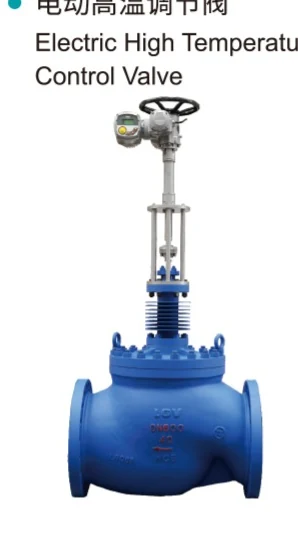
Иллюстрация из каталога: Электрический высокотемпературный регулирующий клапан (печатная стр. 191). Изображение не документирует комплект датчиков температуры или замкнутую систему регулирования.
СНАЧАЛА ВЫБЕРИТЕ СХЕМУ РЕГУЛИРОВАНИЯ
Что должен фактически делать клапан регулирования температуры?
Двум проектам с одинаковой целевой температурой на выходе могут потребоваться разные комплекты клапанов. До выбора привода или запроса цены установите, как будет измеряться температура и как клапан получает команду. Ниже приведены инженерные схемы проектирования, а не утверждение о том, что полный комплект доступен в данном каталоге.
Внешний контур регулирования температуры
Датчик температуры и контроллер управляют регулирующим клапаном на линии подачи теплоносителя или хладагента. Укажите выходной сигнал контроллера, интерфейс клапан/привод, требуемое быстродействие и поведение при потере питания. Фотография электрического привода не подтверждает наличие полного контура.
Автономный регулятор температуры
Согласованный термостат/датчик, капилляр или встроенный чувствительный элемент и клапан могут регулировать без внешнего электрического управляющего сигнала. Запросите точный состав узла и диапазон датчика; изображённый высокотемпературный клапан не является подтверждением данной конструкции.
Двухходовое и трёхходовое исполнение
Применяйте двухходовой клапан, когда изменение расхода теплоносителя совместимо с гидравлическим и тепловым расчётом. Рассмотрите трёхходовое смешивание или разделение, если системе требуется заданный путь потока или смешивание; проверьте расположение патрубков в выбранном изделии. См. серию трёхходовых регулирующих клапанов для данной геометрии.
ОСНОВАНИЕ ДЛЯ ВЫБОРА ПО ИНЖЕНЕРНЫМ КРИТЕРИЯМ
Подбирайте клапан по тепловой нагрузке и перепаду давления, а не только по уставке
Регулируемая температура является результатом, а расход через клапан — регулируемой переменной. Для теплообменника нагрева минимальная и максимальная тепловая нагрузка определяют требуемый рабочий диапазон; располагаемый перепад давления и свойства среды определяют требуемую пропускную способность клапана (Cv/Kv). Проверьте управляемость при низкой нагрузке и максимальный перепад давления, а также номинальный расход. Соответствие диаметру трубопровода не обеспечивает стабильного регулирования.
| Вопрос выбора | Информация, которую необходимо предоставить по проекту | На что влияет |
|---|---|---|
| Где регулируется температура? | Место измерения в процессе; целевое значение; допустимое отклонение; требования к пуску и быстродействию | Положение датчика, стратегия регулирования и реакция системы |
| Какое количество тепла передаётся? | Минимальная, нормальная и максимальная нагрузка; температуры на входе и выходе теплообменника; расход пара, воды или другой среды | Требуемая пропускная способность клапана и регулирование при низкой нагрузке |
| Какое давление располагается? | Давление до и после клапана для каждого режима; максимальный перепад давления; фаза и свойства среды | Расчёт Cv/Kv, усилие герметичного закрытия и проверка на кавитацию/вскипание при необходимости |
| Каким образом будет управляться клапан? | External control signal and power/air supply, or a specified self-acting thermostat/sensor assembly | Actuator, sensor and accessory scope—do not assume either is included |
| What must the construction withstand? | Design/operating pressure and temperature, medium, ends, materials, leakage and required safe state | Pressure–temperature suitability, trim/packing, connections and fail-action evaluation |
WHERE THE CONTROL TASK CHANGES THE VALVE
Choose the valve duty from the thermal circuit
These are typical engineering configurations to discuss, not evidence of completed VALMORA projects or guaranteed package availability. The process diagram, operating cases and control philosophy determine which configuration is relevant.
Heat exchanger outlet temperature
If a process outlet is held at a target temperature by varying heating or cooling utility flow, a modulating two-way valve may be the correct final element. Size from utility conditions across the load range and place the temperature measurement where it represents the controlled outlet.
Steam heating with changing demand
For steam-fed heaters, submit normal/minimum steam flow, upstream steam pressure, downstream conditions, condensate handling and startup demand. A steam valve must be selected for its flow/pressure cases; the temperature controller and any independent high-limit protection have separate roles.
Blending and recirculation circuits
Where a controlled temperature requires blending hot/cold streams or diverting through a bypass, evaluate a three-way arrangement and the flow needed in each branch. A three-way valve is not automatically interchangeable with a two-way valve, and a three-port body does not guarantee a suitable temperature regulator.
WHAT THE ACTUAL CATALOG SUPPORTS
The pictured high-temperature valve is not a thermostat specification
The source catalog identifies the pictured item as Регулирующий клапан с электроприводом для высоких температур on printed page 191. The illustration supports the valve-type label and visible construction, not a complete temperature-control arrangement. A temperature sensor, controller, automatic setpoint, control precision and usable pressure–temperature limits would require separate model-level documents.
Documented from the source
Catalog illustration and printed product label: Electric High Temperature Control Valve. The source has no model-coded datasheet or verified performance table for this image. The separate printed-page entries for pneumatic piston high-temperature and other control valves must not be merged into this image.
Select the exact offered configuration
Ask for the specific valve model, size, Cv/Kv characteristic, materials, ends, pressure–temperature limits, allowable differential pressure, leakage, actuator selection and any temperature-control instruments proposed. No setpoint range, fail position or certification is implied by the catalog photograph.
Provide the process and acceptance basis
Send process fluid and utility properties, heating/cooling load cases, sensor measurement point, expected loop action, available utilities, safe position on loss of control, and required drawing/testing records. The supplier can then identify which items are included, optional or unavailable.
NEXT PRODUCT ROUTE
Keep temperature control distinct from other control-valve duties
Temperature regulation describes the controlled process variable; it does not itself identify valve body geometry or the whole control package. For a primarily flow-regulated duty, consult Регулирующие клапаны; for pressure regulation, Регулирующие клапаны давления; for mixing or diverting geometry, Трёхходовые регулирующие клапаны. Return to the Control Valves category when the duty is not yet defined.
Control Valves category
Browse the parent category when the controlled variable or basic control-valve design remains open.
Все семейства арматуры
Return to the product directory if isolation, check or another non-regulating valve is the actual requirement.
Отраслевое применение
Use industry pages for service context, not as evidence of an approved model or installed temperature loop.
Resources and documentation
Consult available technical resources, then request model-specific drawings and calculations for the offered package.
COMPARE QUOTES ON THE SAME BASIS
What a usable temperature-control valve quotation should resolve
A valve-only offer and a complete temperature-regulation package are not comparable prices. Ask suppliers to state whether their offer includes the valve body, trim, actuator, sensor, controller/thermostat, wiring or tubing, accessories and required documents. If the control system is by others, that boundary must be explicit.
Scope: valve, actuator and controls
Check the orderable model and whether sensing and temperature control are included. An electric actuator shown in the catalog does not mean a temperature transmitter or controller is supplied.
Sizing: normal and extreme cases
Compare the submitted flows, pressure drops, fluid conditions, control characteristic and actuator close-off capability. If low-load operation or maximum differential pressure is missing, the sizing basis is not complete.
Evidence: drawings and limits
Request a model datasheet, arrangement drawing, materials and trim, applicable pressure–temperature data, actuation and fail-action details, and the required inspection/test documents. Confirm which records can actually be delivered for the quoted item.
ТЕХНИЧЕСКИЙ ЗАПРОС
Request a temperature-control valve configuration for your duty
Describe what temperature is controlled, where it is measured and which fluid flow should change to hold it. Include minimum/normal/maximum heating or cooling load, supply and downstream pressure, media and temperatures, proposed two-way/three-way route and any required controller or self-acting mechanism. Mark unknown values rather than guessing. The existing form below remains the inquiry entry point.
- Controlled temperature and measurement/sensor location
- Heating or cooling objective; process and utility media
- Minimum, normal, maximum heat duty and utility flow
- Normal and maximum differential pressure; temperature limits
- Preferred two-way/three-way path and proposed control architecture
- Actuator utilities, control signal and required failure response
- Size, end connections, materials and project standards
- Model datasheet, drawing, test and document requirements